Support our educational content for free when you purchase through links on our site. Learn more
Is Meditation Scientifically Proven: Unveiling the Truth [2024]

In today’s fast-paced world, finding inner peace and mental clarity can seem like an elusive dream. Many turn to meditation as a potential solution, but the question remains: is meditation scientifically proven to deliver the benefits it claims? Let’s delve into the science behind meditation and uncover the truth about its efficacy.
Table of Contents
- Quick Answer
- Quick Tips and Facts
- Unveiling the Science Behind Meditation
- The Evolution of Meditation: A Historical Perspective
- Stress Reduction and Cortisol Levels
- Anxiety Management and Stress Reactivity
- Emotional Well-being and Mental Health
- Self-awareness and Personal Development
- Cognitive Enhancement and Attention Span
- Memory Retention and Age-related Cognitive Decline
- Cultivating Kindness and Compassion
- Addiction Management and Self-control
- Quality Sleep and Insomnia Relief
- Pain Perception and Chronic Pain Management
- Blood Pressure Regulation and Cardiovascular Health
- Accessibility and Practicality
- FAQ
- Conclusion
- Recommended Links
- Reference Links
Quick Answer
Meditation has been scientifically proven to reduce stress, control anxiety, promote emotional health, enhance self-awareness, lengthen attention span, improve memory retention, cultivate kindness, aid in addiction management, improve sleep quality, control pain perception, regulate blood pressure, and is accessible anywhere. Explore the myriad of benefits and the scientific evidence supporting meditation’s effectiveness.
✅ CHECK PRICE on: Meditation Cushions | Meditation Apps | Mindfulness Books
Quick Tips and Facts
- Meditation offers a diverse range of benefits backed by scientific research.
- Different meditation techniques cater to various needs, making it accessible to everyone.
- Scientific studies have demonstrated the positive impact of meditation on mental and emotional well-being.
Now, let’s embark on a journey to understand the science behind meditation and its profound effects on the human mind and body.
Unveiling the Science Behind Meditation
Meditation, an ancient practice with roots in various cultures, has garnered significant attention from the scientific community in recent years. Research has revealed compelling evidence supporting the positive impact of meditation on various aspects of human health and well-being. From stress reduction to cognitive enhancement, meditation offers a holistic approach to nurturing the mind and body.
The Evolution of Meditation: A Historical Perspective
Meditation’s origins can be traced back to ancient civilizations, where it was revered as a means of spiritual enlightenment and self-discovery. Over time, meditation has evolved into a versatile practice, encompassing diverse techniques tailored to address modern-day challenges such as stress, anxiety, and cognitive decline.
Stress Reduction and Cortisol Levels
Meditation has been shown to be a powerful tool for reducing stress by lowering cortisol levels, the hormone associated with stress response. Studies have demonstrated that regular meditation practice can lead to a significant decrease in perceived stress levels and a more balanced cortisol production, contributing to overall well-being.
SHOP Meditation Cushions on: Amazon | Walmart | Etsy | Official Website
Anxiety Management and Stress Reactivity
In the realm of anxiety management, meditation has shown promising results in reducing anxiety levels and enhancing stress reactivity and coping skills. By fostering a state of calm and mindfulness, meditation equips individuals with the tools to navigate anxiety-inducing situations with greater resilience and composure.
Emotional Well-being and Mental Health
Certain forms of meditation have been found to promote emotional health by alleviating symptoms of depression and reducing negative thought patterns. The cultivation of emotional resilience through meditation empowers individuals to embrace a more positive outlook on life, fostering mental well-being.
Self-awareness and Personal Development
Meditation serves as a catalyst for enhancing self-awareness and facilitating personal development. Through introspective practices, individuals gain a deeper understanding of themselves, fostering self-efficacy and a heightened sense of purpose.
Cognitive Enhancement and Attention Span
The practice of meditation has been linked to lengthening attention span and enhancing cognitive function. Focused-attention meditation, in particular, has been shown to bolster attentional capacities, leading to improved performance on cognitive tasks and heightened visual attention.
Memory Retention and Age-related Cognitive Decline
Studies have indicated that meditation may play a role in reducing age-related memory loss by improving attention, memory, and mental agility in older individuals. Furthermore, preliminary evidence suggests that meditation could partially mitigate memory decline in individuals with dementia, offering hope for cognitive preservation.
Cultivating Kindness and Compassion
Loving-kindness meditation, a form of meditation focused on cultivating benevolence and compassion, has been found to generate kindness by fostering positive emotions and actions towards oneself and others. This practice contributes to the nurturing of empathetic and altruistic qualities, enriching interpersonal relationships.
Addiction Management and Self-control
Meditation has shown promise in helping fight addictions by nurturing mental awareness and bolstering self-control. By heightening awareness of triggers and fostering inner resilience, meditation equips individuals with the tools to break free from addictive behaviors and manage cravings effectively.
Quality Sleep and Insomnia Relief
Various meditation techniques have been found to promote improved sleep quality by inducing relaxation and taming runaway thoughts. By cultivating a tranquil state of mind, meditation offers respite from the grip of insomnia, facilitating restorative sleep.
Pain Perception and Chronic Pain Management
The practice of meditation has been associated with a reduction in pain perception within the brain, offering potential benefits for individuals grappling with chronic pain. By modulating the brain’s response to pain, meditation presents a non-invasive avenue for pain management and relief.
Blood Pressure Regulation and Cardiovascular Health
Meditation has demonstrated the capacity to decrease blood pressure, particularly among older individuals and those with elevated blood pressure. This effect on blood pressure regulation holds significant implications for cardiovascular health, offering a natural approach to maintaining optimal blood pressure levels.
Accessibility and Practicality
One of the most compelling aspects of meditation is its accessibility. Many forms of meditation require minimal equipment or space, making it a versatile practice that can be integrated seamlessly into daily routines. Whether it’s a few minutes of mindful breathing or a serene meditation session, the accessibility of meditation makes it an invaluable tool for nurturing mental and emotional well-being.
FAQ

Is meditation medically proven?
Yes, numerous scientific studies have validated the efficacy of meditation in promoting mental and emotional well-being, making it a medically proven practice with a wealth of benefits.
Does meditation really make a difference?
Absolutely. The scientific evidence supporting the impact of meditation on stress reduction, emotional health, cognitive enhancement, and more is compelling, underscoring the tangible difference meditation can make in one’s life.
What are the scientifically proven impacts of meditation on the human brain?
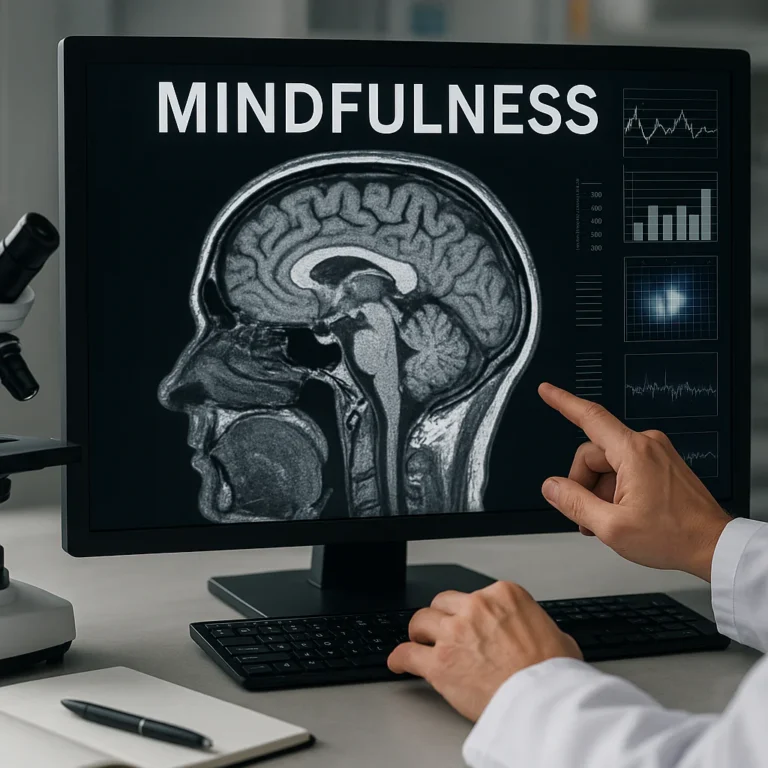
Meditation has been shown to elicit structural and functional changes in the brain, fostering neuroplasticity, enhancing cognitive function, and promoting emotional regulation, as evidenced by neuroimaging studies and clinical research.
Is meditation proven to help mental health?
Indeed, meditation has been proven to be a valuable ally in promoting mental health, offering benefits such as stress reduction, anxiety management, emotional well-being, and cognitive enhancement.
Read more about “What is an Example of Mindful Thinking? …”
Conclusion

In conclusion, the scientific evidence unequivocally supports the myriad of benefits attributed to meditation. From stress reduction and anxiety management to cognitive enhancement and emotional well-being, meditation stands as a formidable ally in nurturing the mind and body. Embrace the transformative power of meditation and embark on a journey towards holistic well-being.
✅ CHECK PRICE on: Meditation Cushions | Meditation Apps | Mindfulness Books
Recommended Links
✅ CHECK PRICE on: Meditation Cushions | Meditation Apps | Mindfulness Books
Shop Meditation Cushions on: Walmart | Etsy | Official Website
Explore related articles on Mindful Quotes™: Inspirational Quotes, Mindfulness Practice, Mindful Meditation, Mindfulness Research
Reference Links
- 12 Science-Based Benefits of Meditation – Healthline
- National Center for Complementary and Integrative Health
- American Psychological Association
Uncover the wealth of scientific evidence supporting the benefits of meditation and embark on a journey towards holistic well-being.
Now, take a deep breath and let the transformative power of meditation guide you towards a state of profound tranquility and well-being.