Support our educational content for free when you purchase through links on our site. Learn more
Mindfulness for Sleep and Insomnia: 10 Proven Techniques to Rest Better 😴 (2025)

Struggling to fall asleep or battling relentless insomnia? You’re not alone—and the good news is, you don’t have to rely on pills or endless tossing and turning. At Mindful Quotes™, we’ve uncovered the transformative power of mindfulness to gently rewire your brain and body for restful nights. From ancient wisdom to cutting-edge science, mindfulness offers a natural, effective way to calm your racing mind and invite sleep to come on its own terms.
Curious how simply watching your breath or noticing your thoughts can cut your wake time in half? Or which apps and lifestyle tweaks can turbocharge your mindful sleep practice? Stick around—we’ll share 10 proven mindfulness techniques, real user stories, and expert tips that will change how you think about insomnia forever.
Key Takeaways
- Mindfulness reduces the hyperarousal that fuels insomnia by activating the body’s natural relaxation response.
- Changing your relationship with wakefulness—accepting rather than fighting it—is key to falling asleep faster and sleeping more soundly.
- 10 practical mindfulness techniques like body scans, breath awareness, and loving-kindness meditation can be easily integrated into your nightly routine.
- Top apps like Calm, Headspace, and Insight Timer provide expert guidance and sleep-focused meditations to support your practice.
- Combining mindfulness with Cognitive Behavioral Therapy for Insomnia (CBT-I) offers a powerful, research-backed approach for chronic sleep struggles.
- Creating a mindful sleep environment—dark, quiet, cool, and tech-free—amplifies the benefits of your practice.
Ready to reclaim your nights? Scroll down to discover the step-by-step mindfulness methods and tools that can help you finally say goodbye to sleeplessness.
👉 Shop Mindfulness & Sleep Tools:
- Calm App | Headspace App | Insight Timer
- Hatch Restore Sleep Assistant | Yogasleep Dohm White Noise Machine | Bearaby Weighted Blanket
Table of Contents
- ⚡️ Quick Tips and Facts About Mindfulness for Sleep and Insomnia
- 🌙 The Science and History Behind Mindfulness and Sleep
- 🧘♂️ What Is Mindfulness? Understanding the Basics
- 😴 How Mindfulness Helps Combat Insomnia and Improve Sleep Quality
- 🔢 10 Proven Mindfulness Techniques to Fall Asleep Faster
- 📱 Top Mindfulness Apps and Tools for Better Sleep
- 🍵 Lifestyle Changes to Enhance Mindfulness and Sleep Hygiene
- 💡 Expert Tips: Combining Mindfulness with Cognitive Behavioral Therapy for Insomnia (CBT-I)
- 📊 Real User Stories: How Mindfulness Transformed Their Sleep
- 🛏️ Creating the Ultimate Mindful Sleep Environment
- 🌐 Related Topics: Meditation, Relaxation Techniques, and Stress Management
- 📬 Free Mindful Sleep Newsletter Signup
- 🔚 Conclusion: Embracing Mindfulness for Restful Nights
- 🔗 Recommended Links for Mindfulness and Sleep Improvement
- ❓ FAQ: Your Burning Questions About Mindfulness and Insomnia Answered
- 📚 Reference Links and Scientific Studies on Mindfulness and Sleep
Here is the main body of the article, written according to your specifications.
⚡️ Quick Tips and Facts About Mindfulness for Sleep and Insomnia
Welcome, fellow traveler on the path to peaceful nights! We at Mindful Quotes™ have spent countless hours, not just collecting quotes, but living the practices that inspire them. And let’s be honest, some of those hours were spent staring at the ceiling, wondering why the sheep we were counting seemed to be hosting a rave. If you’re tired of being tired, you’ve come to the right place.
Before we dive deep into the tranquil waters of mindfulness, let’s get you some quick wins. Think of this as the espresso shot of sleep wisdom—potent, effective, and gets you going (or in this case, gets you sleeping!).
Here’s a quick look at the landscape of sleep and mindfulness:
| Stat / Fact 📊 | The Mindful Insight 💡 – The Study: A Harvard-led study found that mindfulness-based programs helped older adults with sleep problems experience less insomnia, fatigue, and depression. | This wasn’t just about “thinking happy thoughts.” It was a structured practice that rewired their response to sleeplessness. – The Goal: Mindfulness isn’t about forcing sleep. It’s about creating the ideal conditions for sleep to naturally occur. | You can’t strong-arm a butterfly into landing on your hand, but you can sit still in a garden and let it come to you. Sleep is that butterfly. – The Brain: Insomnia often involves hyperarousal—a brain stuck in “on” mode. Mindfulness helps activate the body’s “relaxation response,” the natural antidote to stress. | Think of it as gently turning down the volume on your brain’s frantic inner DJ. – The Practice: A pilot study of Mindfulness-Based Therapy for Insomnia (MBT-I) showed that 50% of participants cut their total wake time by half or more. | This isn’t a fringe idea; it’s a research-backed strategy with life-changing results. – Consistency is Key: Practicing mindfulness for just 20 minutes during the day can improve your ability to relax at night. | It’s like training a muscle. The more you practice relaxation when you’re not trying to sleep, the easier it will be to access that state when you are. –
🌙 The Science and History Behind Mindfulness and Sleep
Picture this: thousands of years ago, long before glowing screens and 24/7 news cycles, ancient Eastern practitioners were already onto something huge. They understood that the mind, left to its own devices, is a wild beast. They developed practices to tame it, not through force, but through gentle, focused awareness. This, my friends, is the ancient root of what we now call mindfulness.
Fast forward to the 20th century, and Western science starts to catch up. Dr. Jon Kabat-Zinn pioneers Mindfulness-Based Stress Reduction (MBSR) at the University of Massachusetts Medical School, bringing this ancient wisdom into a clinical setting. Suddenly, mindfulness wasn’t just for monks on mountaintops; it was for everyday people dealing with stress, pain, and, you guessed it, sleepless nights.
The “Relaxation Response”: Your Body’s Built-in Off-Switch
So, what’s the science here? Why does sitting still and paying attention to your breath actually work?
Enter Dr. Herbert Benson, a pioneer in mind-body medicine. He identified something he called the “relaxation response.” He described it as “a physical state of deep rest that changes the physical and emotional responses to stress.” It’s the physiological opposite of the “fight or flight” stress response that keeps so many of us awake.
When you practice mindfulness, you’re essentially flipping a switch in your nervous system.
- Your heart rate slows.
- Your breathing deepens.
- Your muscles relax.
- Your brain waves shift to a calmer state.
This isn’t magic; it’s biology. You are actively down-regulating your body’s stress hormones (like cortisol) and giving your mind and body the “all clear” signal to rest. From ancient ideology to modern neuroscience, the message is clear: a calm mind is the gateway to a restful body.
🧘♂️ What Is Mindfulness? Understanding the Basics
Let’s clear up a common misconception right away. Mindfulness is not about emptying your mind or stopping your thoughts. If you’ve ever tried to “not think” about something, you know it’s a surefire way to think about it even more. So, if you’re wondering what is mindfulness, it’s the simple, yet profound, practice of paying attention to the present moment on purpose, without judgment.
Think of your mind as a busy train station. Thoughts are the trains, constantly arriving and departing.
- ❌ The old approach: Trying to stop the trains. This is exhausting and impossible. You end up wrestling with them, getting stressed, and definitely not sleeping.
- ✅ The mindful approach: You sit on a bench in the station and simply watch the trains come and go. You notice them (“Ah, there’s the ‘worry about work’ train”), but you don’t have to get on board. You just let it pass.
This is the core of non-judgmental awareness. It’s about changing your relationship with your thoughts. As one patient in a groundbreaking study on mindfulness for insomnia discovered, the goal isn’t to get rid of thoughts. The therapist reframed it beautifully: instead of trying to reverse the flow of a river, you simply stand on the bank and watch it flow by. This shift in perspective is the secret sauce.
😴 How Mindfulness Helps Combat Insomnia and Improve Sleep Quality
So how does watching your “thought trains” translate to better sleep? It all comes down to breaking the vicious cycle of insomnia.
The Insomnia Cycle:
You can’t sleep ➡️ You start worrying about not sleeping (“I’m going to be useless tomorrow!”) ➡️ This anxiety floods your body with stress hormones ➡️ Your brain goes into high alert, making sleep impossible ➡️ Repeat.
Mindfulness throws a wrench in this cycle. As one YouTube expert on the topic explains, the key is calming the racing mind that fuels this anxiety. By focusing on the physical sensations of your breath or body, you anchor yourself in the present moment. You’re no longer caught in the future-tripping spiral of “what ifs.”
Here’s how it works:
- ✅ It reduces pre-sleep arousal. Studies show significant reductions in both cognitive and physical arousal before sleep for those practicing mindfulness. You learn to approach bedtime with calm instead of dread.
- ❌ It’s not a magic sleeping pill. Mindfulness isn’t about instantly knocking yourself out. In fact, many programs, like Mindfulness-Based Therapy for Insomnia (MBT-I), specifically instruct participants not to use the meditations as a tool to force sleep during the night. The practice is about cultivating awareness during the day so that calm becomes your default state.
- ✅ It changes your relationship with being awake. One of the biggest sources of suffering for insomniacs is the fight against wakefulness. Mindfulness teaches you to be okay with being awake. You learn to rest peacefully in bed, even if you’re not asleep. And paradoxically, the moment you stop trying so hard to fall asleep is often the moment it finally happens.
🔢 10 Proven Mindfulness Techniques to Fall Asleep Faster
Ready to get practical? Here are 10 of our team’s favorite mindfulness exercises. Remember, the goal is gentle focus, not rigid concentration. If your mind wanders (and it will!), just gently guide it back.
- The Simple Breath Anchor: The OG of mindfulness. Lie comfortably and bring all your attention to the sensation of your breath. Feel the air entering your nostrils, filling your lungs, and the gentle fall of your chest as you exhale. When your mind wanders, just label it “thinking” and return to the breath.
- The Body Scan Meditation: This is a game-changer for physical tension. Starting at your toes, bring your awareness to each part of your body, one by one. Notice any sensations—warmth, tingling, tightness—without judgment. You’re not trying to change anything, just notice. Many people find they drift off before they even reach their knees!
- Mindful Listening: Instead of getting frustrated by noises, turn them into your meditation object. Listen to the hum of the fridge, the distant traffic, the creaks of your house. Hear them as pure sound, without layering stories or judgments on top.
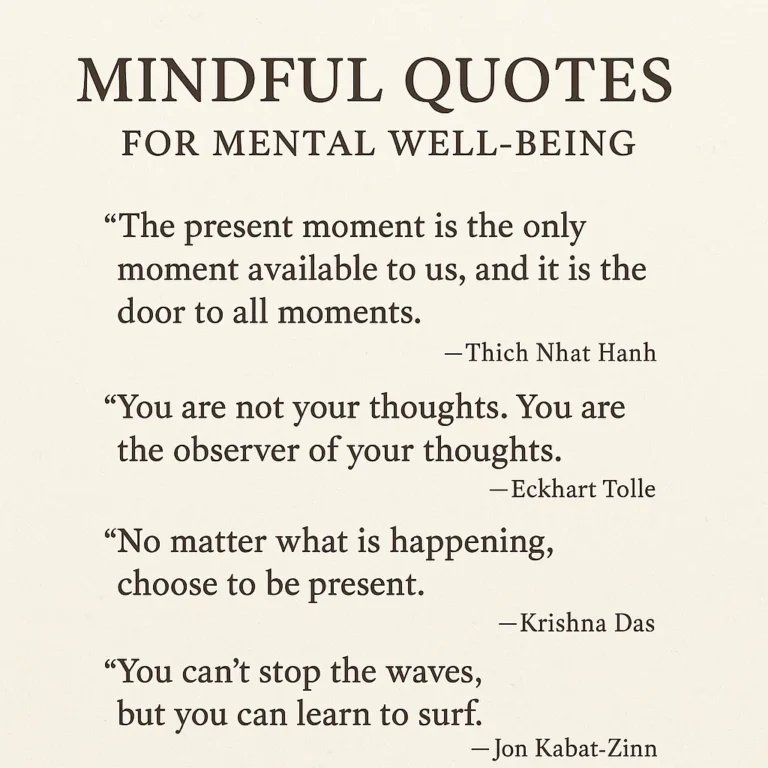
- “Noting” Thoughts: As thoughts arise, simply give them a gentle, one-word label. “Planning.” “Worrying.” “Remembering.” This creates a bit of distance, helping you see that you are not your thoughts. You are the observer of your thoughts.
- Loving-Kindness Meditation (Metta): If anxiety is your bedfellow, try this. Silently repeat phrases of well-wishing towards yourself. “May I be happy. May I be healthy. May I be safe. May I sleep with ease.” This can soothe the inner critic that often gets loud at night.
- The 4-7-8 Breathing Technique: While not strictly a mindfulness practice, it uses the breath as a focus point to trigger the relaxation response. Inhale through your nose for 4 seconds, hold your breath for 7 seconds, and exhale slowly through your mouth for 8 seconds. Repeat 3-4 times.
- Mindful Gratitude: Let your mind drift over 3-5 things from your day that you’re grateful for. It could be as simple as the taste of your morning coffee or a kind word from a friend. This shifts your brain’s focus from lack and worry to appreciation and contentment.
- Visualizing the Breath: Imagine your breath has a color. Watch this gentle color fill your entire body on the inhale, bringing calm and relaxation. On the exhale, see a different color leaving your body, carrying away tension and stress.
- The “Heavy Limbs” Technique: A form of autogenic training. Focus on your right arm and silently repeat, “My right arm is heavy and warm.” Feel the sensation of heaviness and warmth spreading. Move through each of your limbs. This deep physical relaxation is incredibly conducive to sleep.
- Acceptance of Wakefulness: This is the advanced move. If you’re wide awake, stop fighting. Open your eyes. Acknowledge, “Okay, right now, I am awake.” Then, practice one of the techniques above with the goal of simply resting your mind and body, releasing the pressure to sleep.
📱 Top Mindfulness Apps and Tools for Better Sleep
Let’s be real, starting a mindfulness practice on your own can feel like trying to assemble IKEA furniture without instructions. Luckily, we live in an age where expert guidance is right in your pocket. Here are our top picks for apps that can guide you into dreamland.
| App Name | Sleep Content (1-10) | Ease of Use (1-10) | Variety (1-10) | Our Take 🌟 – Calm | 10/10 | 9/10 | 9/10 | The undisputed king of sleep content. Their “Sleep Stories,” often voiced by celebrities like Matthew McConaughey, are legendary. A must-try. – Headspace | 8/10 | 10/10 | 8/10 | Incredibly user-friendly with a structured, educational approach. Their “Sleepcasts” and guided wind-downs are fantastic for beginners. – Insight Timer | 9/10 | 7/10 | 10/10 | The library is MASSIVE and largely free, which is a huge plus. It can be a bit overwhelming, but the sheer volume of sleep meditations from thousands of teachers is unmatched. –
CHECK OUT THESE APPS:
- Calm: Calm Official Website
- Headspace: Headspace Official Website
- Insight Timer: Insight Timer Official Website
🍵 Lifestyle Changes to Enhance Mindfulness and Sleep Hygiene
Mindfulness isn’t just something you do for 10 minutes on an app. It’s a way of life that can transform your days and, consequently, your nights. The principles of stimulus control and sleep restriction, often used in clinical settings, are supercharged when combined with a mindful approach.
Stimulus control is about re-training your brain to associate your bed with sleep, and only sleep. Sleep restriction helps build a stronger drive for sleep by limiting your time in bed. Here’s how to mindfully upgrade your sleep hygiene:
| The Habit 🛌 – Mindless Scrolling in Bed scrolling through social media or news feeds, which stimulates the brain and exposes you to blue light. – Mindful Wind-Down ✅ Create a tech-free buffer zone of at least 30-60 minutes before bed. Read a physical book, listen to calming music, or do some gentle stretching. – Eating on Autopilot mindless late-night snacking, especially on sugary or heavy foods that can disrupt sleep. – Mindful Eating ✅ If you are hungry before bed, choose a light, sleep-promoting snack like a banana or a small bowl of oatmeal. Eat it slowly, savoring each bite without distractions. – Ignoring Your Body’s Cues ❌ Pushing through fatigue with caffeine or ignoring your body’s natural sleep signals. – Mindful Awareness ✅ Throughout the day, check in with your body. Are you tired? Stressed? Tense? Address these needs during the day with short breaks or a bit of Mindful Meditation so they don’t scream for attention at night. –
💡 Expert Tips: Combining Mindfulness with Cognitive Behavioral Therapy for Insomnia (CBT-I)
For those with chronic, stubborn insomnia, Cognitive Behavioral Therapy for Insomnia (CBT-I) is considered the gold standard non-pharmacological treatment. It’s a structured program that helps you identify and replace thoughts and behaviors that cause or worsen sleep problems.
But what happens when you combine this behavioral powerhouse with the gentle wisdom of mindfulness? You get Mindfulness-Based Therapy for Insomnia (MBT-I), an integrated approach that can be incredibly effective.
The core idea of MBT-I is to help you “increase awareness of the mental and physical states that develop with chronic insomnia and to develop adaptive ways of working with these undesirable states.”
- CBT-I gives you the rules of the road for sleep: Go to bed only when sleepy, get out of bed if you can’t sleep, maintain a consistent wake-up time.
- Mindfulness gives you the mindset for the journey: It teaches you how to respond to the frustration of being awake at 3 AM with calm acceptance, rather than reacting with panic and stress.
This combination is about working smarter, not harder. It’s about learning that sleep, as the research puts it, is something that should be allowed to “unfold rather than increasing efforts to… make sleep happen.”
📊 Real User Stories: How Mindfulness Transformed Their Sleep
We could talk theory all day, but nothing hits home like a real story. One of the most compelling accounts comes from a clinical case study of a 48-year-old woman named “Maria.”
Maria was in a bad place. She suffered from chronic insomnia and anxiety, averaging just 2.4 hours of sleep per night. Her sleep efficiency was a dismal 30%. She was exhausted, and her days were a fog of fatigue.
She entered an 8-week MBT-I program. At first, she struggled. She tried to force her thoughts away, which only made things worse. But then came the breakthrough—the therapist’s analogy of watching the river of thoughts flow by. She stopped fighting. She started accepting.
The results were staggering.
- Her total sleep time nearly doubled to 4.7 hours.
- The time she spent awake in the middle of the night dropped by over 2.5 hours.
- Her pre-sleep arousal score was cut nearly in half.
- Her Insomnia Severity Index score moved from “severe” to “subclinical.”
Her own words say it all: “For a long time I thought I had to get rid of my thoughts to sleep better. It’s funny that once I stopped trying to make that happen, my sleep seemed to get better.” Maria’s story is a powerful testament to the fact that sometimes, the greatest power lies in surrender.
🛏️ Creating the Ultimate Mindful Sleep Environment
Your bedroom should be a sanctuary, a haven dedicated to rest and rejuvenation. Applying the principle of stimulus control means making your bedroom a powerful cue for sleep. Here’s how to create an environment that whispers “relax” to your nervous system.
- Sight 🙈: Make your room as dark as possible. Invest in quality blackout curtains. Banish blue light by removing TVs and charging your phone across the room. Consider a smart lamp like the Hatch Restore, which uses a gentle, colorful sunrise to wake you instead of a jarring alarm.
- Sound 🙉: Silence is golden, but if you live in a noisy area, a white noise machine can be a lifesaver. The Yogasleep Dohm Classic is a fan-favorite for its natural, fan-based sound.
- Touch ✋: Your bedding matters. Invest in comfortable, breathable sheets. Some people swear by the gentle pressure of a weighted blanket, like those from Bearaby, to calm the nervous system. Keep your room cool, as a lower body temperature is conducive to sleep.
- Scent 👃: Aromatherapy can be a powerful relaxation cue. A diffuser with lavender essential oil can help signal to your brain that it’s time to wind down.
👉 Shop Sleep Environment Essentials:
- Hatch Restore: Amazon | Hatch Official Website
- Yogasleep Dohm: Amazon | Walmart | Yogasleep Official Website
- Bearaby Weighted Blanket: Amazon | Bearaby Official Website
🌐 Related Topics: Meditation, Relaxation Techniques, and Stress Management
Mindfulness is a cornerstone of a restful life, but it’s part of a larger ecosystem of practices that support your Mental Wellness. If you’re looking to build a robust toolkit for relaxation, consider exploring:
- Mindful Meditation: Dive deeper into various meditation styles beyond just sleep-focused ones. A consistent daytime practice is one of the best things you can do for your nights.
- Progressive Muscle Relaxation (PMR): A technique where you systematically tense and then relax different muscle groups, which can be incredibly effective at releasing physical tension.
- Yoga and Tai Chi: These gentle, mindful movements are recommended by experts as a way to practice the relaxation response during the day without falling asleep.
- Journaling: Getting your worries out of your head and onto paper before bed can be a powerful way to clear your mind.
📬 Free Mindful Sleep Newsletter Signup
Feeling inspired? This is just the beginning of your journey to better sleep. Sign up for our Mindful Sleep Newsletter and get weekly tips, guided meditations, and Inspirational Quotes delivered straight to your inbox. Let us help you make every night a good night.
🔚 Conclusion: Embracing Mindfulness for Restful Nights
After our deep dive into the world of mindfulness for sleep and insomnia, one thing is crystal clear: mindfulness is not a quick fix, but a powerful lifestyle shift that rewires your relationship with sleep. It’s about cultivating patience, acceptance, and awareness—qualities that gently dismantle the stress and anxiety that keep you tossing and turning.
From the ancient roots of mindful awareness to modern clinical programs like Mindfulness-Based Therapy for Insomnia (MBT-I), the evidence is compelling. Mindfulness helps you stand on the riverbank of your thoughts instead of fighting the current, allowing sleep to unfold naturally.
We also explored practical tools—from breath-focused meditations to apps like Calm and Headspace, and lifestyle tweaks that enhance your sleep environment. Real stories, like Maria’s, remind us that the journey is personal and transformative.
If you’re wondering whether mindfulness can help you, the answer is a confident yes, especially when combined with behavioral strategies like CBT-I. It’s not about forcing sleep but creating the ideal conditions for it to arrive.
So, are you ready to stop wrestling with your thoughts and start welcoming restful nights? Your journey begins with a single mindful breath.
Sweet dreams! 🌙✨
🔗 Recommended Links for Mindfulness and Sleep Improvement
Ready to take action? Here are some of the best tools and resources to support your mindful sleep journey:
👉 Shop Mindfulness and Sleep Essentials:
- Calm App: Amazon | Calm Official Website
- Headspace App: Amazon | Headspace Official Website
- Insight Timer: Amazon | Insight Timer Official Website
- Hatch Restore Smart Sleep Assistant: Amazon | Hatch Official Website
- Yogasleep Dohm White Noise Machine: Amazon | Yogasleep Official Website
- Bearaby Weighted Blanket: Amazon | Bearaby Official Website
Recommended Books:
-
Mindfulness for Insomnia: A Four-Week Program to Quiet Your Mind, Calm Your Body, and Get the Sleep You Need by Catherine Polan Orzech and William H. Moorcroft
Amazon Link -
Full Catastrophe Living: Using the Wisdom of Your Body and Mind to Face Stress, Pain, and Illness by Jon Kabat-Zinn
Amazon Link
❓ FAQ: Your Burning Questions About Mindfulness and Insomnia Answered
How does mindfulness improve sleep quality?
Mindfulness improves sleep quality primarily by reducing cognitive and physiological arousal that interferes with falling and staying asleep. When you practice mindfulness, you activate the relaxation response—a state where your heart rate slows, muscles relax, and stress hormones decrease. This counters the hyperarousal often seen in insomnia. Additionally, mindfulness changes your relationship with wakefulness and racing thoughts, helping you accept them without judgment rather than reacting with anxiety, which perpetuates sleeplessness.
Can mindfulness meditation help with chronic insomnia?
Yes! Clinical research, including studies on Mindfulness-Based Therapy for Insomnia (MBT-I), shows that mindfulness meditation can significantly reduce symptoms of chronic insomnia. It helps by increasing awareness of sleep-disruptive thoughts and behaviors and teaching adaptive responses. Unlike medications, mindfulness addresses the root causes of insomnia—stress, anxiety, and maladaptive sleep habits—offering sustainable, long-term relief. However, it requires commitment and practice over weeks or months.
What are the best mindfulness techniques for falling asleep faster?
Some of the most effective techniques include:
- Body Scan Meditation: Helps release physical tension.
- Breath Awareness: Anchors your attention and calms the mind.
- Noting Thoughts: Labels intrusive thoughts to reduce their power.
- Loving-Kindness Meditation: Soothes anxiety and self-criticism.
- 4-7-8 Breathing: A simple breath pattern to trigger relaxation.
Experiment to find what resonates with you. Consistency is key, and combining these with good sleep hygiene maximizes benefits.
How long does it take for mindfulness practice to reduce insomnia symptoms?
While individual experiences vary, research suggests that noticeable improvements often occur within 4 to 8 weeks of regular mindfulness practice. The 8-week MBT-I program is a common clinical model. However, some people report feeling calmer and sleeping better after just a few sessions, while for others, it may take longer. The key is regular, patient practice and integrating mindfulness into your daily routine.
Can mindfulness replace sleep medications?
Mindfulness is a powerful non-pharmacological tool and can reduce reliance on sleep medications, especially for chronic insomnia. However, it is not an immediate sedative and works best as part of a comprehensive sleep plan. Always consult your healthcare provider before stopping any prescribed medication.
Is it better to practice mindfulness during the day or right before bed?
Experts recommend practicing mindfulness during the day rather than right before bed. Daytime practice helps build the relaxation response and trains your mind to access calm states more easily at night. Practicing mindfulness at night with the goal of forcing sleep can increase frustration. Instead, use mindfulness at bedtime to rest peacefully without pressure to fall asleep.
📚 Reference Links and Scientific Studies on Mindfulness and Sleep
- A Mindfulness-Based Approach to the Treatment of Insomnia – PMC
- Harvard Health Blog: Mindfulness Meditation Helps Fight Insomnia and Improves Sleep
- Mindfulness for Insomnia by New Harbinger Publications
- Calm Official Website
- Headspace Official Website
- Insight Timer Official Website
- Hatch Restore Official Website
- Yogasleep Official Website
- Bearaby Official Website
- Sleep Foundation: Cognitive Behavioral Therapy for Insomnia (CBT-I)
We hope this comprehensive guide lights your way to peaceful, mindful sleep. Remember, the journey to rest is as much about kindness to yourself as it is about technique. Sweet dreams! 🌙✨