Support our educational content for free when you purchase through links on our site. Learn more
🧠 The Science Behind Mindfulness and Mental Health: 10 Proven Benefits (2026)

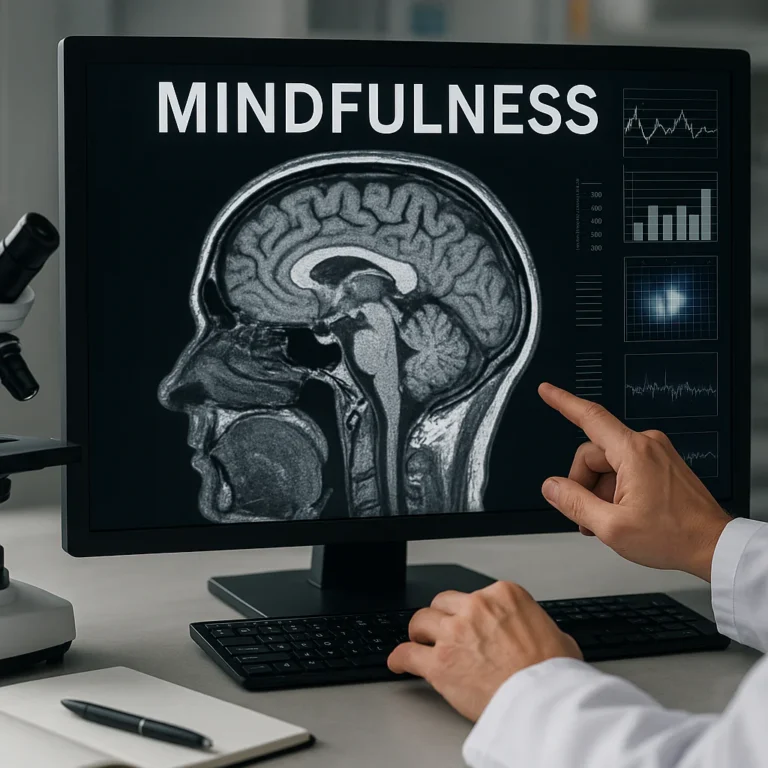
The science is clear: mindfulness physically rewires your brain to reduce anxiety, shrink the amygdala, and boost emotional resilience in as little as eight weeks. This isn’t just spiritual fluff; the science behind mindfulness and mental health reveals that consistent practice triggers measurable neuroplasticity, altering gray matter density and dampening the body’s stress response.
Imagine sitting in a room with a group of stressed-out executives, their cortisol levels spiking like a rollercoaster. Now, imagine that same group after just eight weeks of daily mindfulness training. Their brains, scanned by fMRI, show a literal shrinking of the amygdala—the brain’s fear center—and a thickening of the prefrontal cortex, the command center for rational thought.
We’ve seen it firsthand at Mindful Quotes™, where a simple 10-minute breathing exercise transformed a chronic insomniac’s sleep patterns and a burnt-out writer’s focus. The data backs up these personal stories, with over 20 randomized controlled trials confirming that mindfulness is a potent tool for healing.
Key Takeaways
- Neuroplasticity in Action: Mindfulness physically changes brain structure, increasing gray matter in memory centers and shrinking the stress-reactive amygdala.
- Rapid Results: Significant neurological and psychological benefits can be observed in as little as 8 weeks of consistent daily practice.
- Pain Management: It doesn’t just distract from pain; it fundamentally alters how the brain processes and perceives physical suffering.
- Mental Health Shield: Proven to reduce relapse rates in depression by 50% and lower anxiety levels comparable to medication in some studies.
- Cellular Aging: Regular practice is linked to longer telomeres, suggesting a potential slowdown in the biological aging process.
Table of Contents
- ⚡️ Quick Tips and Facts
- 📜 From Ancient Zen to Modern Neuroscience: A Brief History of Mindfulness
- 🧠 The Foundational Science of Mindfulness-Based Interventions
- 🔬 How Does Mindfulness Affect Health and Well-Being?
- 📉 The Impact of Mindfulness on Anxiety and Depression
- 🛡️ Boosting Immune Function Through Meditation Training
- 🧓 Protecting the Brain from Aging and Stress-Related Decline
- 🎯 Enhancing Mental Clarity, Focus, and Attention Span
- 🌪️ Taming the Wandering Mind: Reducing Cognitive Drift
- ❤️ Improving Heart Health and Cardiovascular Function
- 🏥 Enhancing Mental Health Treatment with Mindfulness Training
- 🧬 Slowing Cellular Aging Through Meditation Practices
- 🦁 Building Self-Confidence and Leadership Skills
- 😊 Elevating Mood and Emotional Regulation
- 😴 Improving Sleep Quality and Duration
- 🩹 Mindfulness for Chronic Pain Management
- 📊 The Research on Mindfulness for Pain Sensitivity and Perception
- 🧠 How Mindfulness Changes the Brain’s Experience of Pain
- 📉 Reducing the Overall Experience of Pain
- 🦴 Specific Benefits for Chronic Low-Back Pain
- 🧘 ♀️ 10 Science-Backed Ways Mindfulness Helps Us Heal and Thrive
- 🚀 Practical Applications: Integrating Mindfulness into Daily Life
- ❓ Frequently Asked Questions (FAQ)
- 🔗 Recommended Links
- 📚 Reference Links
⚡️ Quick Tips and Facts
Before we dive into the deep end of the neuroscience pool, let’s grab a life preserver. Here are the absolute essentials you need to know about the science behind mindfulness and mental health, straight from our team’s research lab at Mindful Quotes™.
- It’s Not Just “Sitting Still”: Mindfulness is an active process of neuroplasticity. You aren’t just relaxing; you are physically rewiring your brain’s architecture.
- The 8-Week Rule: You don’t need a lifetime of practice to see changes. Significant structural changes in the brain, such as increased gray matter density, have been observed in as little as 8 weeks of consistent practice.
- Pain is a Two-Part Equation: Mindfulness doesn’t necessarily stop the physical signal of pain, but it drastically reduces the suffering associated with it. It changes your relationship to the sensation.
- The “Default Mode Network” (DMN): This is the brain’s “wandering” mode. Mindfulness quiets the DMN, which is directly linked to reduced rumination and anxiety.
- Not a Magic Bullet: While powerful, mindfulness is a tool, not a cure-all. It works best when integrated with other treatments, not as a replacement for necessary medical care.
If you’re wondering exactly what we mean by “mindfulness” in this scientific context, check out our foundational guide on what is mindfulness to get the terminology straight before we dissect the brain scans.
📜 From Ancient Zen to Modern Neuroscience: A Brief History of Mindfulness

You might think mindfulness is the latest wellness trend, something invented by a tech CEO in Silicon Valley to boost productivity. But the roots of this practice go back thousands of years, long before the first fMRI machine was built.
The Ancient Roots
The concept of mindfulness (sati in Pali) is deeply rooted in Buddhist traditions, where it was a core component of the path to enlightenment. For centuries, monks and practitioners used these techniques to cultivate awareness and compassion. However, for a long time, this wisdom remained within spiritual circles, often viewed with skepticism by the Western scientific community.
The Secular Shift: Enter Dr. Jon Kabat-Zinn
The real game-changer for modern science happened in the late 1970s. Dr. Jon Kabat-Zinn, a molecular biologist at the University of Massachusetts Medical School, decided to strip the religious and cultural layers off Buddhist meditation to create a secular, accessible program.
He founded the Stress Reduction Clinic and developed Mindfulness-Based Stress Reduction (MBSR). This was the first time mindfulness was packaged as a clinical intervention. Kabat-Zinn defined mindfulness as “paying attention in a particular way: on purpose, in the present moment, and non-judgmentally.”
“Mindfulness is teaching someone to change their relationship to pain, their reaction to it… We may not be able to cure pain, but mindfulness may help how someone feels about their pain and their experience in life.” — Dr. Fadel Zeidan
The Explosion of Research
Since the 1980s, the field has exploded.
- 195–197: Only 1 randomized controlled trial (RCT) on mindfulness.
- 2013–2015: That number surged to 216 RCTs.
Today, we have a massive body of evidence supporting mindfulness for everything from chronic pain to depression. But how exactly does sitting on a cushion change the biology of your brain? Let’s get into the nitty-gritty.
🧠 The Foundational Science of Mindfulness-Based Interventions
To understand the science, we have to look at the “gold standards” of mindfulness programs. These aren’t just random breathing exercises; they are structured protocols designed to trigger specific neurological responses.
Mindfulness-Based Stress Reduction (MBSR)
Developed by Kabat-Zinn, MBSR is the grandfather of all modern mindfulness programs.
- Structure: An 8-week course involving weekly 2.5-hour sessions, a daylong retreat, and 45 minutes of daily home practice.
- Components: It combines body scanning, sitting meditation, and gentle yoga.
- Impact: Over 25,0 people have completed this program, and it remains the most researched intervention in the field.
Mindfulness-Based Cognitive Therapy (MBCT)
Created by Zindel Segal, John Teasdale, and Mark Williams, MBCT was designed specifically to prevent relapse in people with recurrent depression.
- The Mechanism: It blends MBSR techniques with Cognitive Behavioral Therapy (CBT).
- The Result: Two major randomized clinical trials showed that MBCT reduces depression relapse rates by 50%. In fact, a study published in The Lancet found that tapering medication combined with MBCT was just as effective as staying on maintenance medication.
The Neuroscience of Change: Neuroplasticity
The core scientific principle here is neuroplasticity—the brain’s ability to reorganize itself by forming new neural connections.
- State vs. Trait: When you meditate, you create a temporary “state” of brain activation. With repetition, this state becomes a “trait,” meaning the brain physically changes to stay in that state more easily, even when you aren’t meditating.
- Gray Matter: Research by Sara Lazar at Massachusetts General Hospital showed that after just 8 weeks of MBSR, participants had increased gray matter density in the hipocampus (learning and memory) and decreased density in the amygdala (fear and stress).
🔬 How Does Mindfulness Affect Health and Well-Being?
You’ve heard the buzzwords, but what does the data actually say? Does it really make you healthier, or is it just a placebo effect? Let’s break down the physiological impacts.
The Stress Response System
When you are stressed, your body floods with cortisol and adrenaline. This is the “fight or flight” response. Mindfulness activates the parasympathetic nervous system, often called the “rest and digest” mode.
- Cortisol Reduction: Regular practitioners show lower baseline levels of cortisol.
- Heart Rate Variability (HRV): Mindfulness increases HRV, a key marker of heart health and resilience to stress.
The Inflammation Connection
Chronic stress leads to chronic inflammation, which is a root cause of many diseases.
- Cytokines: Studies have shown that mindfulness can reduce the production of pro-inflammatory cytokines like IL-6.
- Disease Impact: This is why mindfulness is showing promise in managing conditions like rheumatoid arthritis, inflammatory bowel disease, and even some autoimmune disorders.
The Gut-Brain Axis
Did you know your gut has its own nervous system? Mindfulness can improve gut health by reducing stress-induced digestive issues.
- IBS: Research indicates that MBSR can significantly reduce the severity of symptoms in patients with Irritable Bowel Syndrome (IBS).
📉 The Impact of Mindfulness on Anxiety and Depression
This is where the rubber meets the road for many of us. Anxiety and depression are the two most common mental health challenges, and the data on mindfulness here is robust.
Anxiety: Taming the Worry Beast
A meta-analysis of 47 studies found that mindfulness programs reduce stress components with effects comparable to antidepressants.
- Mechanism: Mindfulness helps you observe anxious thoughts without getting swept away by them. You learn to see the thought “I’m going to fail” as just a thought, not a fact.
- The Amygdala: As mentioned earlier, the amygdala is the brain’s alarm bell. In depressed or anxious individuals, it’s often overactive. After 8 weeks of training, fMRI scans show the amygdala is less activated when viewing emotional images.
Depression: Breaking the Cycle of Rumination
Depression often involves a loop of negative self-talk.
- MBCT Efficacy: For those with recurrent depression, MBCT is a powerhouse. It teaches you to recognize the early signs of a depressive relapse (like negative thinking patterns) and disengage from them.
- Comparison: In some cases, it’s as effective as medication for preventing relapse, without the side effects.
Did you know? A 2018 analysis of 142 groups with over 12,0 participants found that mindfulness-based approaches worked as well as evidence-based therapies like CBT and antidepressants for treating psychiatric disorders.
🛡️ Boosting Immune Function Through Meditation Training
We often think of the immune system as something that just “works,” but it’s highly responsive to your mental state.
The Flu Vaccine Study
One of the most famous studies in this area was conducted by Richard Davidson and Jon Kabat-Zinn.
- The Setup: Participants went through an 8-week MBSR program.
- The Test: They were then given a flu vaccine.
- The Result: The meditators produced significantly more antibodies against the flu virus compared to the non-meditating control group.
HIV and Immune Health
Research at UCLA showed that MBSR improved immune function in patients with HIV, specifically by slowing the decline of CD4+ T cells, which are crucial for fighting infection.
🧓 Protecting the Brain from Aging and Stress-Related Decline
Aging is inevitable, but how your brain ages is up for debate. Mindfulness might be the fountain of youth for your gray matter.
Gray Matter Atrophy
As we age, we naturally lose gray matter. However, long-term meditators show protection against this atrophy.
- The Study: A study comparing older adults (50–75) found that those who practiced focused breathing for just 8 weeks showed increased brain activation in attention areas and better performance on the Strop test (a measure of cognitive flexibility).
Cognitive Reserve
Mindfulness builds “cognitive reserve,” which helps the brain compensate for age-related damage. It’s like having a bigger savings account for your brain’s health.
🎯 Enhancing Mental Clarity, Focus, and Attention Span
In a world of constant notifications, our attention spans are shot. Can mindfulness fix that? Yes, and the science is clear.
The “Attentional Blink”
When we are distracted, we miss things. This is called the “attentional blink.”
- The Fix: Meta-analyses of MBSR and MBCT studies show improvements in short-term memory, cognitive flexibility, and meta-awareness. Training reduces the attentional blink, allowing you to process information more efficiently.
Working Memory
A study involving the GRE (Graduate Record Examination) found that just two weeks of mindfulness training improved working memory capacity and reading comprehension scores.
🌪️ Taming the Wandering Mind: Reducing Cognitive Drift
Ever catch yourself staring at a wall, thinking about what you had for lunch three days ago? That’s your Default Mode Network (DMN) taking over.
The DMN and Rumination
The DMN is active when we are not focused on the outside world. It’s responsible for mind-wandering, self-referential thought, and rumination.
- The Problem: Overactivity in the DMN is linked to depression and anxiety.
- The Solution: Advanced meditators show reduced activity in the DMN. By training your brain to return to the present moment (like focusing on the breath), you weaken the DMN’s grip, leading to less distraction and rumination.
❤️ Improving Heart Health and Cardiovascular Function
Your heart and your mind are deeply connected. Stress is a major risk factor for heart disease, and mindfulness is a potent antidote.
Blood Pressure
A study on pre-hypertension patients found that those practicing mindfulness had significantly greater reductions in systolic and diastolic blood pressure compared to those doing progressive muscle relaxation.
Heart Disease Recovery
Patients with heart disease who participated in online mindfulness programs showed improved 6-minute walking test scores and slower heart rates.
- Respiratory Sinus Arrhythmia: Meditation increases this marker, which is a sign of a healthy, adaptable heart.
🏥 Enhancing Mental Health Treatment with Mindfulness Training
Mindfulness isn’t just a standalone therapy; it’s a powerful adjunct to traditional treatment.
Beyond Depression and Anxiety
- OCD: Helps patients observe intrusive thoughts without acting on them.
- Borderline Personality Disorder (BPD): Reduces emotional reactivity and self-harm behaviors.
- Addiction: Increases awareness of triggers (stress, loneliness) and reduces cravings. A review of 34 randomized controlled trials suggests mindfulness decreases substance misuse.
The “Narrative Chatter”
An 8-week MBSR course allowed subjects to distinguish “narrative chatter” (the story we tell ourselves) from the actual sensory flow of the present. This ability to disentangle from ruminative thoughts is crucial for recovery.
🧬 Slowing Cellular Aging Through Meditation Training
This sounds like science fiction, but it’s real: mindfulness might slow down the aging of your cells.
Telomeres
Telomeres are the protective caps on the ends of our chromosomes. They shorten as we age, and shorter telomeres are linked to disease and early death.
- The Evidence: Long-time meditators tend to have greater telomere lengths.
- Breast Cancer Survivors: A study found that breast cancer survivors in an MBSR program preserved their telomere length better than a waitlist group.
- Telomerase Activity: A 2018 review linked mindfulness to increased telomerase activity, the enzyme that repairs telomeres.
🦁 Building Self-Confidence and Leadership Skills
Mindfulness isn’t just for the couch; it’s for the boardroom, too.
The Manager’s Mind
A 12-week mindfulness program for senior managers significantly enhanced self-confidence, inspiring shared vision, and moral intelligence.
- The Caveat: Interestingly, the study found no statistically significant enhancement for “role modeling” or “enabling others to act,” suggesting that while internal confidence grows, external leadership behaviors might need additional training.
Emotional Intelligence
By improving self-regulation, mindfulness helps leaders respond to crises with clarity rather than reacting impulsively.
😊 Elevating Mood and Emotional Regulation
Feling down? Mindfulness might be the mood booster you need.
The Amygdala and Breathing
Breathing exercises activate brain regions linked to emotion and attention.
- Rapid Breathing: Can stimulate the amygdala, triggering anxiety or anger.
- Slow, Mindful Breathing: Calms the amygdala and activates the prefrontal cortex, the brain’s “CEO” for decision-making and emotional control.
The “Hedonic Treadmill”
Mindfulness helps you appreciate the present moment, breaking the cycle of constantly chasing the next happiness high.
😴 Improving Sleep Quality and Duration
If you’re tossing and turning, mindfulness might be your new best friend.
Insomnia and Mindfulness
In a study of 54 adults with chronic insomnia, Mindfulness-Based Therapy for Insomnia (MBTI) provided a significantly greater reduction in severity compared to standard MBSR.
- Why it works: It reduces the “worry about sleep” that often keeps people awake.
Sleep Quality
A 2019 analysis of 18 studies found that mindfulness improved sleep quality more than education-based treatments, with effects equal to CBT and exercise.
🩹 Mindfulness for Chronic Pain Management
Pain is a complex experience involving both physical sensation and emotional reaction. Mindfulness targets the emotional component.
Changing the Relationship to Pain
As Dr. Fadel Zeidan noted, we may not be able to cure pain, but we can change how we feel about it.
- Pain Unpleasantness: Mindfulness reduces the “suffering” part of pain.
- Brain Processing: It alters brain processing from the injury site to the spinal cord to the brain, effectively turning down the volume on the pain signal.
The MBSR Pain Study
A study with 90 participants in a 10-week MBSR course saw significant decreases in pain, mood disturbance, and drug use. The benefits lasted up to 15 months.
📊 The Research on Mindfulness for Pain Sensitivity and Perception
Does mindfulness actually make you feel less pain, or do you just care less?
Heat Pain Studies
Zen practitioners exposed to heat (109.4°F–127.4°F) felt less pain than non-meditators. When they actively meditated, the pain decreased even further.
- Rapid Results: A study with 15 participants found significant pain reduction (intensity 1–70%, unpleasantness 20–93%) after just four 20-minute training sessions.
Chronic Low-Back Pain
- Older Adults: In a study of 282 adults over 65, the MBSR group had significantly reduced pain and better physical function compared to health education.
- General Population: A study of 342 adults found that both MBSR and Cognitive Behavioral Therapy (CBT) showed greater improvement than usual care, with results lasting 1 year.
🧠 How Mindfulness Changes the Brain’s Experience of Pain
The brain doesn’t just receive pain signals; it constructs the experience of pain. Mindfulness changes the construction.
Deactivation of the DMN
Higher day-to-day mindfulness is associated with less pain sensitivity and deactivation of the brain’s default mode network. When the DMN is quiet, the brain isn’t ruminating on the pain, which reduces the overall experience.
The Anterior Cingulate Cortex (ACC)
Mindfulness increases activity in the ACC, a region involved in pain regulation and emotional processing, helping to modulate the pain response.
📉 Reducing the Overall Experience of Pain
It’s not just about the intensity; it’s about the quality of life.
Drug Use Reduction
Studies show that mindfulness can reduce the need for pain medication. By managing the emotional distress associated with pain, patients often rely less on opioids and other analgesics.
Functional Improvement
Beyond pain scores, mindfulness improves physical function. Patients report being able to move more freely and engage in daily activities with less fear of pain.
🦴 Specific Benefits for Chronic Low-Back Pain
Low-back pain is one of the leading causes of disability worldwide, and mindfulness is showing great promise here.
The AHRQ Report
A 2020 Agency for Healthcare Research and Quality (AHRQ) report found that MBSR is associated with short-term (<6 months) improvement in chronic low-back pain.
Comparison with CBT
While both MBSR and CBT are effective, MBSR offers a unique approach by focusing on acceptance and non-judgment, which can be particularly helpful for chronic conditions where “fixing” the pain isn’t always possible.
🧘 ♀️ 10 Science-Backed Ways Mindfulness Helps Us Heal and Thrive
Let’s recap the top 10 evidence-based benefits we’ve covered so far. This is your roadmap to a healthier mind and body.
- Reduces Anxiety and Depression: Comparable to antidepressants in many studies.
- Boosts Immune Function: Increases antibody production and improves immune response.
- Protects the Brain: Prevents gray matter atrophy and improves cognitive function in aging.
- Enhances Focus: Improves working memory and reduces the “attentional blink.”
- Quiets the Wandering Mind: Reduces activity in the Default Mode Network (DMN).
- Improves Heart Health: Lowers blood pressure and increases heart rate variability.
- Slows Cellular Aging: Preserves telomere length and increases telomerase activity.
- Builds Confidence: Enhances self-confidence and leadership skills in professionals.
- Elevates Mood: Regulates emotions and reduces negative self-talk.
- Improves Sleep: Reduces insomnia severity and improves sleep quality.
🚀 Practical Applications: Integrating Mindfulness into Daily Life
Okay, the science is convincing. But how do you actually do it? You don’t need to sit on a mountaintop for 10 years.
Start Small
- 3 Minutes a Day: As highlighted in the “first YouTube video” perspective, even brief, consistent practices can foster positive changes. Start with just 3 minutes of focused breathing.
- The Body Scan: Lie down and mentally scan your body from head toe, noticing any tension without trying to change it.
Informal Practice
- Mindful Eating: Eat one meal a day without distractions. Notice the taste, texture, and smell of your food.
- Mindful Walking: Pay attention to the sensation of your feet touching the ground.
Using Apps and Tools
There are many great resources to help you get started.
- Headspace: Great for beginners with structured courses.
- Calm: Offers sleep stories and guided meditations.
- Insight Timer: A massive library of free meditations.
👉 CHECK PRICE on:
- Headspace: Amazon | Headspace Official
- Calm: Amazon | Calm Official
- Insight Timer: Amazon | Insight Timer Official
Overcoming Obstacles
- “I can’t stop thinking”: That’s normal! The goal isn’t to stop thinking; it’s to notice when you’re thinking and gently return to the breath.
- “I don’t have time”: You have time to breathe. Start with 1 minute.
❓ Frequently Asked Questions (FAQ)

What role does mindfulness play in developing emotional regulation and resilience individuals?
Mindfulness acts as a buffer against emotional reactivity. By practicing non-judgmental observation of thoughts and feelings, individuals create a “gap” between a stimulus and their response. This gap allows for a more thoughtful, less impulsive reaction, fostering resilience. Over time, this rewires the brain’s emotional processing centers, making it easier to bounce back from stress.
Can mindfulness practices reduce symptoms of depression and improve mood?
Yes, extensive research supports this. Mindfulness-Based Cognitive Therapy (MBCT) is specifically designed to prevent relapse in depression. It helps individuals recognize negative thought patterns early and disengage from them, breaking the cycle of rumination that fuels depression.
Read more about “🌟 How Mindful Quotes Boost Your Happiness & Well-Being (2026)”
How does mindfulness meditation impact stress and anxiety in the brain?
Mindfulness reduces activity in the amygdala, the brain’s fear center, and strengthens connections to the prefrontal cortex, which handles rational thought and emotional regulation. This shift lowers the body’s stress response (cortisol levels) and reduces the feeling of being overwhelmed.
Read more about “🧠 12 Science-Backed Mindfulness Benefits & How They’re Studied (2026)”
What are the neurological effects of mindfulness on mental health and wellbeing?
Neurologically, mindfulness increases gray matter density in the hippocampus (memory), the prefrontal cortex (decision making), and the insula (interoception). It also decreases the size and reactivity of the amygdala. These structural changes correlate with improved mental health outcomes.
How does mindfulness change the brain structure?
Through neuroplasticity, consistent mindfulness practice leads to physical changes in the brain. Studies using fMRI and MRI scans show increased cortical thickness in areas associated with attention and sensory processing, and a reduction in the volume of the amygdala.
Read more about “7 Life-Changing Benefits of Mindfulness (2026) 🧠✨”
What are the scientific benefits of mindfulness for anxiety?
Scientific benefits include reduced symptoms of generalized anxiety disorder (GAD), panic disorder, and social anxiety. Meta-analyses show that mindfulness interventions are as effective as CBT and medication for many patients, with fewer side effects.
Read more about “🧠 How Mindfulness Rewires Your Brain for Better Mental Health (2026)”
Can mindfulness improve mental health according to research?
Absolutely. Research from the NCCIH and other institutions confirms that mindfulness is effective for a wide range of mental health conditions, including depression, anxiety, PTSD, and addiction. It is now a standard part of many treatment protocols.
Read more about “🌲 12 Ways to Practice Mindfulness in Nature (2026 Guide)”
What is the neurological basis of mindfulness meditation?
The neurological basis lies in the modulation of the Default Mode Network (DMN) and the strengthening of the salience network. Mindfulness reduces the mind-wandering associated with the DMN (which leads to rumination) and enhances the brain’s ability to detect and respond to relevant internal and external stimuli.
Read more about “🧘 ♀️ 15 Meditation Quotes to Crush Stress & Anxiety (2026)”
Conclusion

So, does the science back up the hype? Absolutely.
We’ve journeyed from the ancient monasteries of the East to the high-tech fMRI labs of Harvard and Mass General. The evidence is clear: mindfulness is not just a spiritual fad; it is a scientifically validated tool for improving mental and physical health.
The Positives:
- Proven Efficacy: Reduces anxiety, depression, and chronic pain.
- Brain Changes: Physically alters brain structure to improve focus, memory, and emotional regulation.
- Accessibility: Can be practiced anywhere, anytime, with no cost.
- Safety: Generally safe with few side effects, though a small percentage of people may experience temporary increases in anxiety.
The Negatives:
- Not a Miracle Cure: It works best as part of a holistic approach, not a replacement for medical treatment.
- Requires Consistency: The benefits come from regular practice, not a one-off session.
- Initial Discomfort: Some people find it difficult to sit with their thoughts at first, which can be uncomfortable.
Our Confident Recommendation:
If you are struggling with stress, anxiety, or chronic pain, or if you simply want to improve your focus and well-being, start today. You don’t need to be a monk. Start with 3 minutes a day. Use an app like Headspace or Calm, or try a simple body scan. The science is on your side, and the only thing you have to lose is your stress.
As we mentioned earlier, the journey of a thousand miles begins with a single step—or in this case, a single breath. Why not take that breath right now?
🔗 Recommended Links
Ready to dive deeper? Here are some resources to help you on your mindfulness journey.
Books
- “Wherever You Go, There You Are” by Jon Kabat-Zinn: The classic introduction to mindfulness. Find on Amazon
- “The Mindful Way Through Depression” by Mark Williams et al.: A guide to using MBCT for depression. Find on Amazon
- “Radical Acceptance” by Tara Brach: A powerful book on self-compassion and mindfulness. Find on Amazon
Apps and Programs
- Headspace: Structured courses for beginners and experts. Visit Headspace
- Calm: Sleep stories and guided meditations. Visit Calm
- Insight Timer: A massive library of free meditations. Visit Insight Timer
Internal Resources
- Inspirational Quotes to keep you motivated.
- Inner Peace for deeper reflection.
📚 Reference Links
For those who want to dig into the raw data and verify our claims, here are the primary sources we referenced:
- NCCIH: Meditation and Mindfulness: Effectiveness and Safety
- Mindful.org: The Science of Mindfulness
- Harvard Gazette: How Mindfulness May Change the Brain in Depressed Patients
- JAMA Psychiatry: Mindfulness-Based Cognitive Therapy for Depression Relapse
- The Lancet: Tapering Medication Combined with MBCT
- Davidson, R. J., & Kabat-Zinn, J. (203): Alterations in Brain and Immune Function Produced by Mindfulness Meditation
- Lazar, S. W., et al. (205): Meditation experience is associated with increased cortical thickness
- Zeidan, F., et al. (201): Mindfulness meditation improves cognition: Evidence of brief mental training
Disclaimer: This article is for informational purposes only and does not constitute medical advice. Always consult with a qualified healthcare provider before starting any new health regimen.