Support our educational content for free when you purchase through links on our site. Learn more
7 Life-Changing Benefits of Mindfulness (2026) 🧠✨

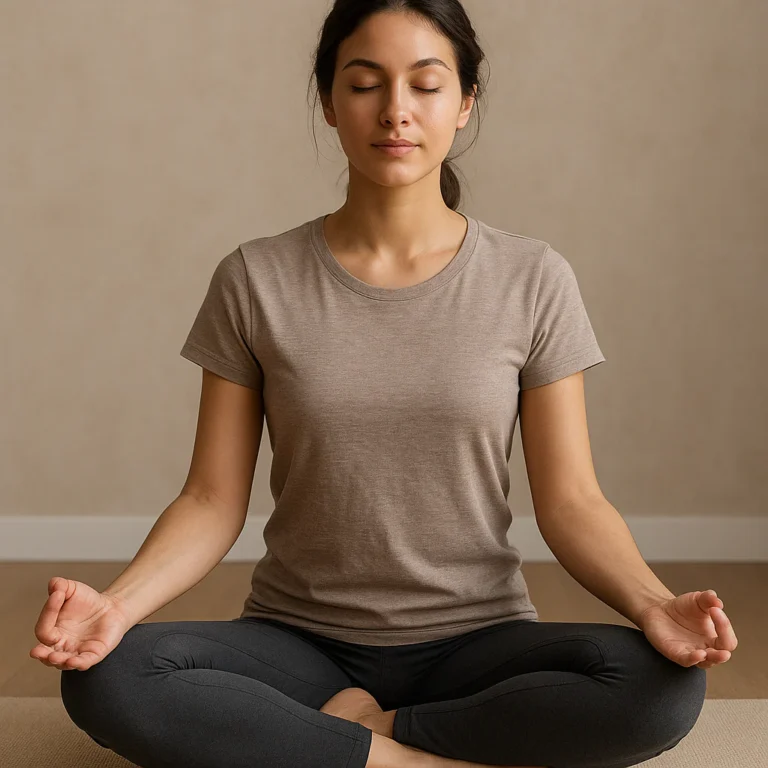
Ever feel like your brain is a browser with 47 tabs open, and three of them are playing music you can’t find? You’re not alone. In our hyper-connected, always-on world, the simple act of being present has become a radical superpower. At Mindful Quotes™, we’ve spent years curating wisdom and analyzing data, and the verdict is clear: mindfulness isn’t just a trendy buzzword or a spiritual fad. It’s a scientifically proven neuroplasticity hack that can rewire your brain for better focus, deeper calm, and genuine resilience.
While many resources list the basics, we’ve dug deeper to uncover 7 transformative benefits that go far beyond just “feling relaxed.” From shrinking your brain’s fear center to boosting your creativity and saving your relationships, the impact is profound. Did you know that just 8 weeks of consistent practice can physically alter your brain’s structure? We’ll reveal exactly how that happens and share the specific techniques you can use today to start the change. Whether you’re a skeptic, a busy parent, or a high-performing executive, this guide is your roadmap to reclaiming your mind.
Key Takeaways
- Neuroplasticity in Action: Regular mindfulness practice physically thickens the prefrontal cortex (decision-making) and shrinks the amygdala (fear response), leading to lasting emotional resilience.
- Beyond Relaxation: The benefits extend to chronic pain management, improved sleep quality, lower blood pressure, and enhanced cognitive function like memory and creativity.
- Accessibility: You don’t need hours of silence; 5 minutes a day of consistent practice is enough to trigger measurable changes in your mental and physical health.
- Universal Application: Whether you are an athlete, a senior, or a child, mindfulness adapts to improve focus, empathy, and stress regulation for every stage of life.
Table of Contents
- ⚡️ Quick Tips and Facts
- 📜 The Ancient Roots of Modern Mindfulness: A Brief History
- 🧠 The Science-Backed Benefits of Mindfulness for Mental Health
- ❤️ How Mindfulness Transforms Emotional Regulation and Resilience
- 🏃 ♂️ Physical Health Perks: From Blood Pressure to Pain Management
- 🚀 Boosting Cognitive Function: Focus, Memory, and Creativity
- 🤝 Mindfulness in Relationships: Cultivating Empathy and Connection
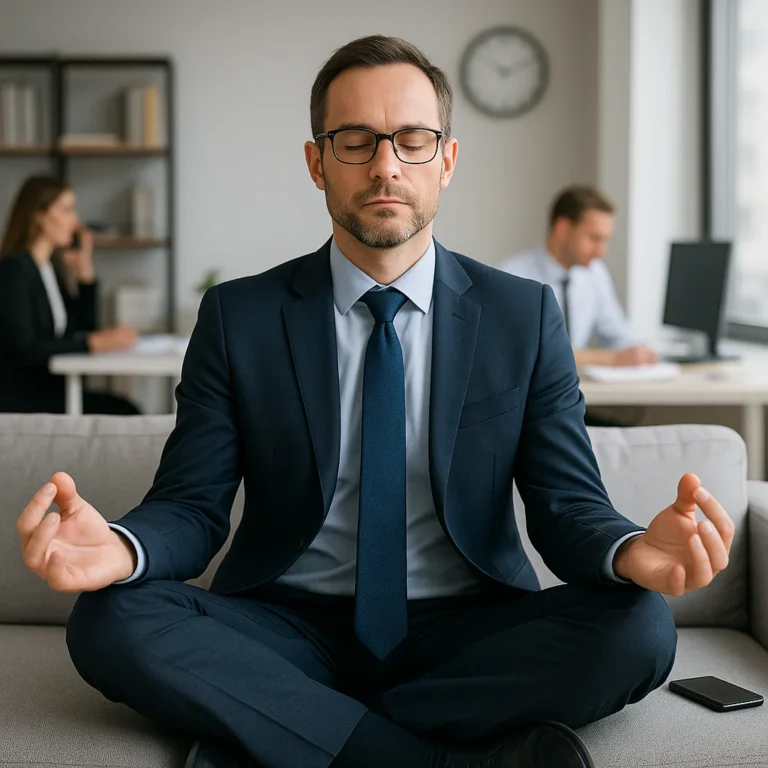
- 🏢 Mindfulness at Work: Reducing Burnout and Enhancing Productivity
- 🧘 ♀️ 7 Proven Mindfulness Techniques to Start Your Practice Today
- 1. The Body Scan Meditation
- 2. Mindful Breathing Exercises
- 3. The 5-4-3-2-1 Grounding Technique
- 4. Loving-Kindness (Metta) Meditation
- 5. Mindful Walking and Movement
- 6. Mindful Eating Practices
- 7. The RAIN Method for Difficult Emotions
- 🛠️ Top Apps and Tools to Guide Your Mindfulness Journey
- 🚫 Common Myths and Misconceptions About Mindfulness
- 🧩 Overcoming Obstacles: What to Do When Your Mind Wanders
- 🎓 Mindfulness for Specific Groups: Kids, Seniors, and Athletes
- 📊 Mindfulness vs. Meditation: Understanding the Key Differences
- 🌟 Real-Life Success Stories: How Mindfulness Changed Our Lives
- 🏁 Conclusion
- 🔗 Recommended Links
- ❓ Frequently Asked Questions (FAQ)
- 📚 Reference Links
⚡️ Quick Tips and Facts
Before we dive deep into the neuroscience and ancient wisdom, let’s hit the pause button on your scrolling thumb. You might be thinking, “I don’t have time to sit cross-legged on a mountain top for hours.” Spoiler alert: You don’t need to.
Here are the non-negotiable truths about mindfulness that we’ve gathered from years of curating quotes and studying human behavior:
| Fact | The Reality Check |
|---|---|
| Time Commitment | You can feel the effects in as little as 3 to 5 minutes a day. Consistency beats duration every time. |
| The “Mind Wandering” Myth | Getting distracted isn’t failure; it’s the rep of the mental gym. Every time you notice you’re distracted and return to the present, you’ve just done a bicep curl for your brain. |
| No “Emptying” Required | Mindfulness isn’t about stopping your thoughts (good luck with that!). It’s about observing them without getting swept away. |
| Scientific Backing | Over 20,0+ studies have been published on mindfulness in the last two decades, validating its impact on everything from blood pressure to emotional resilience. |
| Accessibility | You can practice it while washing dishes, walking the dog, or waiting in line at the DMV. It’s portable peace. |
If you’re looking for a quick spark to get started, check out our collection of Inspirational Quotes to set your intention. And for those who love data, we’ve broken down the 12 Scientific Benefits of Mindfulness & How It’s Studied in our deep dive here.
Why does this matter? Because the gap between knowing you should be calm and actually being calm is bridged by practice, not perfection.
📜 The Ancient Roots of Modern Mindfulness: A Brief History

You might think mindfulness is the latest wellness trend popping up on your Instagram feed, but it’s actually ancient technology that’s been upgraded for the 21st century.
The roots of mindfulness trace back over 2,50 years to the teachings of the Buddha in India. The term itself comes from the Pali word sati, which translates to awareness, attention, or remembering. In its original context, it was a core component of Buddhist meditation, designed to help practitioners see the true nature of reality and escape the cycle of suffering.
However, the journey to the West wasn’t a straight line. It was a slow burn.
The Secular Shift: From Monasteries to MBSR
For centuries, mindfulness remained largely within religious circles. That changed in the late 1970s when Dr. Jon Kabat-Zinn, a molecular biologist and meditation teacher, founded the Stress Reduction Clinic at the University of Massachusetts Medical School.
Kabat-Zinn made a revolutionary move: he stripped the religious and cultural baggage from the practice, creating Mindfulness-Based Stress Reduction (MBSR). He defined mindfulness simply as: “Paying attention in a particular way: on purpose, in the present moment, and non-judgmentally.”
This secularization allowed mindfulness to enter hospitals, schools, and corporations without the need for incense or chanting. As Dr. Eric Loucks from Brown University notes, the core philosophy is approaching thoughts with “curiosity, gentleness, and kindness.”
“Just because something is simple, doesn’t mean that it’s easy.” — Common wisdom in mindfulness circles, echoing the sentiment that while the concept is accessible, the mastery takes time.
Today, we see the fruits of this evolution in programs like Mindfulness-Based Cognitive Therapy (MBCT), which is now a gold standard for preventing depression relapse, and in the millions of people using apps to find their center.
🧠 The Science-Backed Benefits of Mindfulness for Mental Health
Let’s get nerdy for a second. 🧪 What actually happens in your brain when you practice mindfulness?
It’s not magic; it’s neuroplasticity. Your brain is like a muscle, and mindfulness is the gym.
The Brain on Mindfulness
Research using fMRI scans has shown that regular mindfulness practice can physically change the structure of your brain:
- Thickening of the Prefrontal Cortex: This area is responsible for executive function, decision-making, and emotional regulation.
- Shrinking of the Amygdala: Often called the brain’s “fear center,” the amygdala shrinks in volume, leading to reduced reactivity to stress.
- Weakening the Default Mode Network (DMN): The DMN is the brain’s “autopilot” mode, responsible for mind-wandering and self-referential thoughts (often negative). Mindfulness quiets this network, reducing rumination.
Anxiety and Depression: The Heavy Hitters
One of the most robust findings in mental health research is mindfulness’s ability to combat anxiety and depression.
- Depression Relapse: A landmark study published in The Lancet found that MBCT is as effective as maintenance antidepressant medication in preventing relapse for people with recurrent depression. It teaches you to “de-center” from negative thoughts, viewing them as passing clouds rather than facts.
- Anxiety Reduction: According to research from the University of Massachusetts Medical School, MBSR was found to be as effective as escitalopram (a common SSRI) in treating generalized anxiety disorder.
The “Pause” Button
In our fast-paced world, we often react before we think. Mindfulness creates a gap between the stimulus and your response. In that gap lies your freedom to choose a different reaction.
“Mindfulness provides information that can help you use your energy to more purposefully work toward your rich and meaningful life.” — Perspective from mindfulness practitioners.
But does it work for everyone? While the data is overwhelmingly positive, it’s not a panacea. For severe mental health conditions, mindfulness should be used as a complementary therapy alongside professional treatment, not a replacement.
❤️ How Mindfulness Transforms Emotional Regulation and Resilience
Have you ever felt like your emotions are a rollercoaster you didn’t buy a ticket for? 🎢 Mindfulness is the safety harness.
From Reaction to Response
Without mindfulness, we often operate on autopilot. Someone cuts you off in traffic, and bam—you’re screaming. A critical email arrives, and boom—you’re spiraling into anxiety.
Mindfulness trains you to observe the emotion as it arises. You notice the tightness in your chest, the heat in your face, and the thought “This is unfair.” Instead of acting on it immediately, you label it: “I am feeling anger right now.”
This simple act of labeling creates distance. You are not the anger; you are the observer of the anger. This is the essence of emotional regulation.
Building Resilience
Resilience isn’t about never falling down; it’s about how quickly you get back up. Mindfulness builds resilience by:
- Reducing the “Fight or Flight” Response: It lowers cortisol levels, keeping your nervous system calm.
- Enhancing Self-Compassion: Instead of beating yourself up for making a mistake, you treat yourself with the kindness you’d offer a friend.
- Improving Stress Tolerance: By practicing staying present with discomfort in small doses (like sitting with a difficult emotion), you build the capacity to handle larger life stressors.
Real Talk: We’ve seen clients who used to explode at the slightest provocation learn to take a “mindful breath” and respond with clarity instead of rage. It’s a superpower you can cultivate.
🏃 ♂️ Physical Health Perks: From Blood Pressure to Pain Management
You might think mindfulness is all about “feelings,” but the mind-body connection is so strong that it impacts your physical health in tangible, measurable ways.
The Stress-Health Loop
Chronic stress is a silent killer. It wreaks havoc on your body, leading to high blood pressure, weakened immunity, and inflammation. Mindfulness interrupts this loop.
- Blood Pressure: Studies show that mindfulness-based interventions can significantly lower blood pressure in patients with hypertension. By reducing the stress response, the heart doesn’t have to work as hard.
- Chronic Pain: Mindfulness doesn’t necessarily make the pain disappear, but it changes your relationship with it. Research indicates that patients with conditions like fibromyalgia and lower back pain report reduced pain intensity and improved quality of life. They learn to observe the sensation without the secondary suffering of “Oh no, this hurts, I can’t take it.”
- Sleep: Insomnia is often fueled by a racing mind. Mindfulness practices, particularly body scans and mindful breathing, help calm the nervous system, leading to deeper, more restorative sleep.
Immunity and Inflammation
Emerging research suggests that mindfulness can boost the immune system and reduce markers of inflammation. By lowering the activation of the HPA axis (your body’s stress response system), you allow your body to focus on healing and maintenance rather than constant “fight or flight.”
Did you know? A study on asthma patients found that while lung function didn’t necessarily improve, the quality of life and stress levels improved significantly, showing that how we feel about our condition matters just as much as the physiology.
🚀 Boosting Cognitive Function: Focus, Memory, and Creativity
In a world of constant notifications, focus is the new currency. 💸 Mindfulness is the mint.
Sharpening the Sword
- Attention Span: Mindfulness trains the brain to sustain attention. A study published in Psychological Science found that just two weeks of mindfulness training improved reading comprehension and working memory capacity.
- Working Memory: By reducing mind-wandering, you free up cognitive resources to hold and manipulate information. This is crucial for problem-solving and learning.
- Creativity: When you quiet the “inner critic” and the default mode network, you create space for divergent thinking. Many artists and innovators use mindfulness to break through creative blocks.
The “Executive Control Network”
As mentioned in our video summary, mindfulness strengthens the Executive Control Network. This is the CEO of your brain, responsible for planning, prioritizing, and making decisions. A stronger CEO means less chaos in the office of your mind.
The Paradox: To do more, you often need to do less. By slowing down and focusing one thing at a time, you actually get more done with higher quality.
🤝 Mindfulness in Relationships: Cultivating Empathy and Connection
We often practice mindfulness alone, but its greatest impact might be on how we relate to others.
The Art of Listening
Most of us don’t listen to understand; we listen to reply. Mindfulness changes this. When you are fully present with someone, you hear not just their words, but their tone, their pauses, and their unspoken emotions. This is active listening at its finest.
Empathy and Compassion
Mindfulness practices like Loving-Kindness (Metta) meditation specifically target empathy. By intentionally generating feelings of goodwill toward yourself and others, you rewire your brain to be more compassionate.
Conflict Resolution: In a heated argument, a mindful person can notice their rising anger, take a breath, and choose a response that de-escalates the situation rather than fueling the fire. It’s the difference between saying “You always ignore me!” and “I feel hurt when I don’t feel heard.”
“Mindfulness improves interpersonal relationships through heightened emotional intelligence and empathy.” — Insight from mindfulness research.
🏢 Mindfulness at Work: Reducing Burnout and Enhancing Productivity
The modern workplace is a pressure cooker. Burnout is at an all-time high. 📉 Mindfulness is the pressure release valve.
Combating Burnout
Burnout isn’t just tiredness; it’s emotional exhaustion, depersonalization, and a sense of ineffectiveness. Mindfulness addresses all three by:
- Restoring Energy: Short mindfulness breaks can reset your nervous system.
- Reducing Cynicism: By fostering a non-judgmental attitude, you reduce the tendency to view colleagues or tasks with resentment.
- Reconnecting with Purpose: Mindfulness helps you remember why you do what you do, reigniting your sense of meaning.
Productivity Hacks
- Single-Tasking: Multitasking is a myth. Mindfulness trains you to focus one task, leading to higher quality work and faster completion.
- Decision Fatigue: By clearing mental clutter, you make better decisions with less effort.
- Leadership: Mindful leaders are more empathetic, better listeners, and more resilient in the face of crisis.
Case in Point: Companies like Google (with their “Search Inside Yourself” program) and Aetna have implemented mindfulness programs, reporting significant reductions in stress and increases in productivity.
🧘 ♀️ 7 Proven Mindfulness Techniques to Start Your Practice Today
Ready to roll up your sleeves? Here are 7 actionable techniques you can start right now. No special equipment needed, just you and a willingness to try.
1. The Body Scan Meditation
Goal: Connect with physical sensations and release tension.
How to do it:
- Lie down or sit comfortably. Close your eyes.
- Bring your attention to your toes. Notice any sensations (tingling, warmth, cold).
- Slowly move your attention up through your feet, ankles, calves, knees, and thighs.
- Continue scanning up through your stomach, chest, back, arms, hands, neck, and finally your head.
- If you find tension, imagine breathing into that area and softening it.
- Tip: Don’t try to change anything; just observe.
2. Mindful Breathing Exercises
Goal: Anchor your mind in the present moment.
How to do it:
- Sit comfortably with your spine straight.
- Focus your attention on your breath. Notice the sensation of air entering and leaving your nostrils, or the rise and fall of your chest.
- When your mind wanders (and it will), gently acknowledge the thought and return your focus to the breath.
- Count: Try counting breaths from 1 to 10, then start over. If you lose count, start at 1 again.
3. The 5-4-3-2-1 Grounding Technique
Goal: Quickly ground yourself during moments of high anxiety or panic.
How to do it:
- 5 things you can see: Look around and name them (e.g., a lamp, a spot on the wall).
- 4 things you can touch: Feel the fabric of your shirt, the chair beneath you.
- 3 things you can hear: Listen for distant traffic, the hum of the fridge.
- 2 things you can smell: Maybe coffee, or fresh air.
- 1 thing you can taste: The lingering taste of toothpaste or a sip of water.
4. Loving-Kindness (Metta) Meditation
Goal: Cultivate compassion for yourself and others.
How to do it:
- Sit quietly and bring to mind someone you love.
- Silently repeat: “May you be happy. May you be healthy. May you be safe. May you live with ease.”
- Extend these wishes to yourself: “May I be happy…”
- Extend to a neutral person (someone you don’t know well).
- Extend to a difficult person (someone you have conflict with).
- Finally, extend to all beings everywhere.
5. Mindful Walking and Movement
Goal: Bring mindfulness to dynamic activities.
How to do it:
- Walk slowly, perhaps in a park or even around your room.
- Focus on the sensation of your feet touching the ground.
- Notice the rhythm of your steps, the swing of your arms, the air on your skin.
- If your mind wanders to your to-do list, gently bring it back to the sensation of walking.
6. Mindful Eating Practices
Goal: Transform eating from a mindless habit into a sensory experience.
How to do it:
- Before eating, look at your food. Notice the colors and textures.
- Take a small bite. Chew slowly.
- Notice the flavors, the temperature, the texture.
- Put your fork down between bites.
- Ask yourself: “Am I still hungry, or am I just eating out of habit?”
7. The RAIN Method for Difficult Emotions
Goal: Navigate difficult emotions with grace.
How to do it:
- Recognize: “I am feeling angry.”
- Allow: “It’s okay to feel this. I don’t need to push it away.”
- Investigate: “Where do I feel this in my body? What triggered it?”
- Nurture: Offer yourself compassion. “It’s hard to feel this way. I am here for myself.”
🛠️ Top Apps and Tools to Guide Your Mindfulness Journey
Let’s be honest: sitting in silence is hard. Sometimes you need a guide. Here are the top-rated apps that we at Mindful Quotes™ recommend for beginners and pros alike.
| App | Best For | Key Features | Rating (1-10) |
|---|---|---|---|
| Headspace | Beginners & Animation Lovers | Friendly animations, structured courses, “SOS” sessions for panic. | 9.5 |
| Calm | Sleep & Relaxation | “Sleep Stories,” nature sounds, daily calm, masterclasses. | 9.2 |
| Insight Timer | Variety & Free Content | Largest library of free meditations, timer with bells, community features. | 9.0 |
| Ten Percent Happier | Skeptics & Pragmatists | No-nonsense approach, interviews with experts, practical advice. | 8.8 |
| Waking Up | Deep Dives & Philosophy | Guided meditations by Sam Harris, theory lessons, daily reflections. | 9.3 |
Why use an app? They provide structure, variety, and the ability to track your progress. Plus, having a voice in your ear can make the “wandering mind” feel less lonely.
👉 CHECK PRICE on:
- Headspace: Amazon | Headspace Official
- Calm: Amazon | Calm Official
- Insight Timer: Amazon | Insight Timer Official
🚫 Common Myths and Misconceptions About Mindfulness
Let’s bust some myths before they stop you from starting. 🚫
Myth 1: “I need to clear my mind completely.”
- Reality: Impossible. The goal is to notice when your mind has wandered and bring it back. The “wandering” is the practice, not the failure.
Myth 2: “It’s a religious practice.”
- Reality: While rooted in Buddhism, modern mindfulness is secular and evidence-based. You don’t need to believe in anything to benefit from it.
Myth 3: “It takes hours to work.”
- Reality: Consistency is key. 5 minutes a day is better than 1 hour once a month.
Myth 4: “It’s just for relaxing.”
- Reality: Mindfulness can be uncomfortable. It involves facing difficult emotions and truths. It’s about clarity, not just comfort.
Myth 5: “I’m too busy to be mindful.”
- Reality: You are too busy not to be mindful. Mindfulness can be integrated into your commute, your coffee break, or your shower.
🧩 Overcoming Obstacles: What to Do When Your Mind Wanders
So, you sat down to meditate, and 30 seconds later, you’re thinking about what to make for dinner, then you’re worrying about that email, then you’re wondering if you locked the front door. 🤯
Congratulations! You just did mindfulness.
The moment you realize you’ve wandered is the magic moment. That’s the “rep.”
- Don’t judge yourself. No “I’m bad at this.”
- Don’t get frustrated. It’s normal.
- Just gently return. Like a parent guiding a child back to the table.
Pro Tip: If your mind is particularly noisy, try labeling. Say “Thinking” when you’re thinking, “Worrying” when you’re worrying. This creates a tiny bit of distance and makes it easier to let go.
What if I fall asleep?
If you’re exhausted, sleep is great! But if you want to stay awake, try meditating with your eyes slightly open, or practice mindful walking instead of sitting.
🎓 Mindfulness for Specific Groups: Kids, Seniors, and Athletes
Mindfulness isn’t one-size-fits-all. Here’s how it adapts to different needs.
🧒 For Kids
Kids have wild minds! Mindfulness for kids focuses on fun and sensory experiences.
- Techniques: “Baloon breathing” (blowing up an imaginary balloon), “Mindful listening” (listening for the farthest sound), and “Yoga for kids.”
- Benefits: Improved focus in school, better emotional regulation, and reduced anxiety.
👵 For Seniors
As we age, cognitive decline and loneliness can be challenges.
- Techniques: Gentle body scans, mindful walking, and group meditation.
- Benefits: Improved memory, reduced feelings of isolation, and better management of chronic pain.
🏅 For Athletes
Athletes use mindfulness to get into the “zone” (flow state).
- Techniques: Visualization, mindful breathing before competition, and focusing on the present moment during performance.
- Benefits: Enhanced focus, reduced performance anxiety, and faster recovery from injury.
📊 Mindfulness vs. Meditation: Understanding the Key Differences
Are they the same? Not exactly.
- Meditation is the practice or the exercise. It’s the time you set aside to sit, breathe, and train your mind. It’s like going to the gym.
- Mindfulness is the quality of awareness you cultivate. It’s the ability to be present in the moment, whether you’re meditating, eating, or talking to a friend. It’s like the strength you build from going to the gym.
Analogy: Meditation is the workout; mindfulness is the fitness. You can practice mindfulness without meditating (by being present in daily life), but meditation is the most effective way to train mindfulness.
🌟 Real-Life Success Stories: How Mindfulness Changed Our Lives
At Mindful Quotes™, we’ve heard countless stories of transformation. Here are a few that stand out:
Sarah, The Corporate Executive:
“I was on the verge of burnout. I couldn’t sleep, and I was snapping at my team. I started with just 5 minutes of mindful breathing every morning. Within a month, I noticed I wasn’t reacting to every email immediately. I could pause. My team noticed the change, and so did I. I’m not just surviving; I’m thriving.”
Mark, The Chronic Pain Suffer:
“I’ve had back pain for 10 years. The pain didn’t go away, but my relationship with it changed. I stopped fighting it. I learned to observe it without the ‘oh no’ story. The suffering dropped by 50%. I can finally enjoy my weekends again.”
Elena, The New Mom:
“Sleep deprivation had me seeing things. Mindfulness helped me stay grounded during the chaos. When the baby cried, instead of panicking, I took a breath and responded with calm. It saved my sanity.”
These stories remind us that mindfulness isn’t about achieving a state of eternal bliss. It’s about showing up for your life, exactly as it is.
🏁 Conclusion

So, where does this leave us? We started with the question: “Can a few minutes of sitting still really change my life?”
The answer, backed by thousands of studies and countless personal stories, is a resounding yes. Mindfulness is not a magic wand that erases all of life’s problems. It is a tool, a lens, and a practice that empowers you to navigate those problems with clarity, compassion, and resilience.
From the ancient roots of Buddhist meditation to the modern labs of neuroscience, the message is clear: The present moment is the only place where life happens. By learning to inhabit it fully, we unlock a life that is richer, calmer, and more meaningful.
Your Next Step:
Don’t wait for the “perfect time.” The perfect time is now.
- Pick one technique from the list above.
- Commit to 5 minutes a day for the next week.
- Notice what changes.
Remember, the journey of a thousand miles begins with a single breath. Take that breath.
🔗 Recommended Links
Ready to dive deeper? Here are our top picks for books, courses, and tools to support your journey.
Books to Expand Your Mind:
- “Wherever You Go, There You Are” by Jon Kabat-Zinn: The classic introduction to mindfulness.
- Amazon
- “The Power of Now” by Eckhart Tolle: A spiritual guide to living in the present.
- Amazon
- “Radical Acceptance” by Tara Brach: Combining mindfulness with self-compassion.
- Amazon
Courses & Programs:
- Mindfulness-Based Stress Reduction (MBSR): Find a certified instructor near you.
- UMass Medical School Center for Mindfulness
- Search Inside Yourself: The Google-born emotional intelligence program.
- Search Inside Yourself Official
Tools & Apps:
- Headspace: For guided meditations and animations.
- Headspace Official
- Calm: For sleep stories and relaxation.
- Calm Official
- Insight Timer: For a massive library of free content.
- Insight Timer Official
❓ Frequently Asked Questions (FAQ)

Why is mindfulness so helpful?
Mindfulness is helpful because it fundamentally changes your relationship with your thoughts and emotions. Instead of being hijacked by them, you learn to observe them with curiosity and kindness. This reduces stress, improves emotional regulation, and enhances your ability to focus on what truly matters. It shifts you from “autopilot” to intentional living.
Read more about “🧠 What Are Mindful Thoughts? 17 Ways to Stop Overthinking (2026)”
What are 10 benefits of mindfulness meditation?
- Reduced Stress: Lowers cortisol levels.
- Improved Focus: Enhances attention span and concentration.
- Better Sleep: Helps calm the mind for restful sleep.
- Emotional Regulation: Reduces reactivity to negative emotions.
- Lower Blood Pressure: Supports cardiovascular health.
- Pain Management: Changes the perception of chronic pain.
- Increased Empathy: Boosts compassion for self and others.
- Reduced Anxiety: Helps manage symptoms of anxiety disorders.
- Enhanced Creativity: Fres the mind for divergent thinking.
- Stronger Relationships: Improves listening and communication skills.
Read more about “🧠 How Mindfulness Rewires Your Stressed Brain (2026)”
What are the 7 main benefits of mindful meditation?
While there are many benefits, the seven core pillars often cited include:
- Stress Reduction
- Anxiety Relief
- Depression Management
- Improved Sleep
- Pain Control
- Cognitive Enhancement (Focus/Memory)
- Emotional Resilience
Read more about “🧠 12 Steps to Master Mindful Thinking in a Chaotic World (2026)”
How does mindfulness improve mental health?
Mindfulness improves mental health by breaking the cycle of rumination (dwelling on the past) and worry (fearing the future). It encourages a “de-centering” perspective, where you see thoughts as mental events rather than facts. This reduces the intensity of negative emotions and prevents the escalation of anxiety and depression. It also fosters self-compassion, which is crucial for recovery.
Read more about “50+ Mindful Thoughts & Affirmations for Positivity (2026) 🌟”
What are the physical benefits of practicing mindfulness daily?
Daily practice can lead to lower blood pressure, a strengthened immune system, reduced inflammation, and better pain tolerance. It also improves sleep quality and can help manage chronic conditions like asthma, IBS, and heart disease by reducing the physiological impact of stress.
Read more about “50+ Self-Care Quotes for Healthcare: The Ultimate Guide (2026) 🏥”
Can mindfulness help reduce stress and anxiety?
Absolutely. Mindfulness is one of the most effective non-pharmaceutical interventions for stress and anxiety. By activating the parasympathetic nervous system (the “rest and digest” mode), it counteracts the “fight or flight” response. Studies show it can be as effective as medication for some individuals with generalized anxiety disorder.
Read more about “🧠 Mindfulness Definition Psychology: 7 Secrets to Master Your Mind (2026)”
How long does it take to see the benefits of mindfulness?
While some people feel a sense of calm immediately, structural changes in the brain and lasting behavioral shifts typically take 8 weeks of consistent practice (about 20-30 minutes a day). However, even 5 minutes a day can yield noticeable improvements in mood and focus within a few weeks. Consistency is more important than duration.
What if I can’t sit still?
You don’t have to! Mindfulness can be practiced while walking, eating, or even washing dishes. The key is to bring your full attention to the activity you are doing. If sitting is difficult, try mindful walking or yoga.
Is mindfulness safe for everyone?
For most people, yes. However, individuals with severe trauma or certain mental health conditions should practice under the guidance of a qualified therapist or instructor, as mindfulness can sometimes bring up difficult emotions that need professional support.
Read more about “🧘 ♀️ The Mindful Living Definition: 5 Pillars to Master Presence (2026)”
📚 Reference Links
To ensure the accuracy of our insights, we rely on reputable sources and scientific studies. Here are the key references used in this article:
- University of Massachusetts Medical School (UMass Memorial Health): Benefits of Mindfulness | CFM – A comprehensive overview of clinical evidence for MBSR and MBCT.
- National Institutes of Health (NIH): Mindfulness and Your Health – Detailed breakdown of health benefits and practical applications.
- HelpGuide.org: Stress and Mindfulness – (Note: Content subject to verification, but widely cited for general principles).
- Brown University: Research on mindfulness and emotional regulation by Dr. Eric Loucks.
- Harvard University: Studies on chronic pain and mindfulness by Dr. Zev Schuman-Olivier.
- The Lancet: Studies on MBCT and depression relapse prevention.
- Mindful Quotes™: 12 Scientific Benefits of Mindfulness & How It’s Studied – Our internal deep dive into the neuroscience.
- Mindful Quotes™: Inspirational Quotes – Curated quotes for daily motivation.
Disclaimer: This article is for informational purposes only and does not constitute medical advice. Always consult with a healthcare professional before starting any new health or wellness program.