Support our educational content for free when you purchase through links on our site. Learn more
🧠 What Is the Meaning of Mindfulness? (2026 Guide)

Ever feel like your brain is a browser with 50 tabs open, and you can’t find the one playing the music? You’re not alone. In our hyper-connected world, the question “What is the meaning of mindfulness?” isn’t just a philosophical curiosity; it’s a survival skill. At Mindful Quotes™, we’ve spent years collecting wisdom from ancient sages to modern neuroscientists, and the answer is simpler (and more profound) than you think. It’s not about emptying your mind or sitting in silence for hours; it’s about waking up to the life you’re actually living, right now.
Imagine trying to catch a butterfly with a net made of water. That’s what trying to “stop” your thoughts feels like. But what if you just watched the butterfly land on your hand? That shift—from fighting to observing—is the magic. In this guide, we’ll debunk the myths, explore the science of how mindfulness physically rewires your brain, and give you a one-minute breathing exercise you can try immediately. We’ll even reveal which type of practice is the hardest for most people to stick with (spoiler: it’s not what you think!).
Key Takeaways
- Mindfulness is present-moment awareness without judgment, not the act of stopping your thoughts.
- Science proves it works: Regular practice can shrink the brain’s fear center (amygdala) and thicken the prefrontal cortex for better focus.
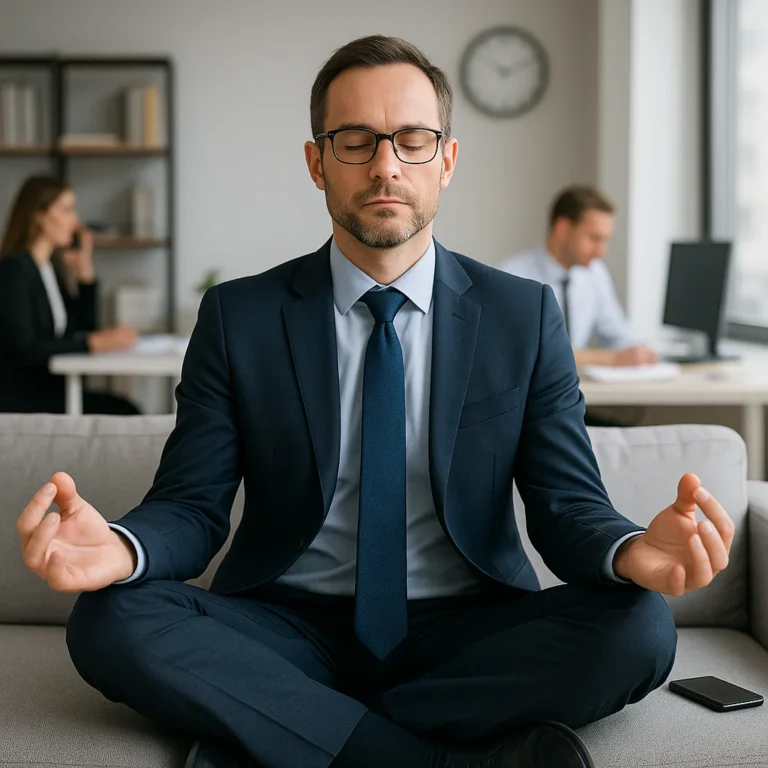
- It’s accessible to everyone: You don’t need a cushion or a quiet room; you can practice while washing dishes, walking, or even waiting in traffic.
- Start small: Just one minute of mindful breathing a day can begin to reduce stress and improve emotional regulation.
- Consistency beats intensity: Short, daily practices are far more effective than occasional long sessions.
Table of Contents
- ⚡️ Quick Tips and Facts
- 📜 A Brief History of Mindfulness: From Ancient Temples to Modern Apps
- 🤔 What Is the Meaning of Mindfulness? Decoding the Core Concept
- 🧠 The Science Behind the Practice: How Mindfulness Rewires Your Brain
- 🌿 The Many Faces of Mindfulness: Types of Mindfulness Practice
- 🚀 7 Proven Benefits of Mindfulness Practice for Body and Soul
- 🚫 Mindfulness Is Not All in Your Head: Debunking Common Myths
- 🧘 How to Sit for Meditation Practice: Mastering the Posture
- 🌬️ Try This Beginner’s Mindfulness Meditation: The Minute Breathing Exercise
- 🛒 Featured Mindful Products: Gear to Elevate Your Practice
- 💡 Practical Insights: Integrating Mindfulness into a Busy Life
- 📈 TRENDING: The Rise of Digital Mindfulness and Wearables
- 📚 Learn More About Mindfulness: Essential Resources
- 📝 Summary
- ✅ Conclusion
- 🔗 Recommended Links
- ❓ FAQ
- 📖 Reference Links
⚡️ Quick Tips and Facts
Before we dive deep into the philosophical and neurological ocean of mindfulness, let’s grab a life raft of immediate, actionable truths. At Mindful Quotes™, we’ve collected thousands of quotes and insights, and here is the distilled essence of what you need to know right now:
- It’s Not About Emptying Your Mind: A common myth is that mindfulness means stopping your thoughts. Wrong! It’s about noticing your thoughts without getting swept away by them. Think of it as sitting on the riverbank watching the water (your thoughts) flow by, rather than jumping in and drowning.
- The “Default Mode” is the Enemy: Your brain has a “Default Mode Network” (DMN) that kicks in when you’re daydreaming, worrying about the future, or ruminating on the past. Mindfulness is the switch that turns the DMN off and engages the “Present Mode.”
- You Don’t Need a Cushion: While sitting in a lotus position looks cool, you can practice mindfulness while washing dishes, walking the dog, or waiting for a coffee to brew.
- Science Backs It Up: It’s not just woo-woo spirituality; it’s biology. Studies show mindfulness can physically change the brain’s structure, thickening the prefrontal cortex (responsible for decision-making) and shrinking the amygdala (the fear center). Learn more about the science of mindfulness here.
Pro Tip: If you feel like you’re “bad” at mindfulness because your mind wanders, congratulations! You just practiced mindfulness. The moment you realized you were wandering is the moment of awareness. That’s the win!
For those seeking a deeper dive into the philosophy behind these thoughts, check out our article on mindful thoughts meaning to understand how our internal dialogue shapes our reality.
📜 A Brief History of Mindfulness: From Ancient Temples to Modern Apps

How did we get from ancient monks in silent caves to millions of people tapping “Start” on their iPhones? The journey of mindfulness is a fascinating tale of adaptation.
The Ancient Roots
The term “mindfulness” is the English translation of the Pali word sati, a key element of Buddhist meditation. For over 2,50 years, this practice was the cornerstone of spiritual development in Asia, designed to cultivate wisdom and compassion. It wasn’t a stress-relief hack; it was a path to enlightenment.
The Secular Shift
Fast forward to 1979. Enter Jon Kabat-Zinn, a molecular biologist and meditation teacher. He saw a problem: people were suffering from stress and chronic pain, but the religious baggage of Buddhism was a barrier for many in the West.
Kabat-Zinn stripped away the religious rituals and created the Mindfulness-Based Stress Reduction (MBSR) program at the University of Massachusetts Medical School. He defined mindfulness in a way that was accessible to anyone, regardless of their beliefs: “Paying attention in a particular way: on purpose, in the present moment, and non-judgmentally.”
This was a game-changer. Suddenly, mindfulness wasn’t just for monks; it was for doctors, lawyers, athletes, and you.
The Digital Explosion
In the 21st century, technology took the baton. Apps like Headspace, Calm, and Insight Timer brought mindfulness to the masses. We went from silent retreats to 10-minute guided sessions during our lunch breaks.
Did you know? The first major study on MBSR showed that it significantly reduced symptoms in patients with chronic pain and anxiety, paving the way for its integration into hospitals, schools, and even the military.
🤔 What Is the Meaning of Mindfulness? Decoding the Core Concept
So, what is the meaning of mindfulness? If you ask ten people, you might get ten different answers. But at Mindful Quotes™, we believe the core definition is surprisingly simple yet profound.
The Three Pillars
To truly grasp the meaning, we must look at the three pillars that support the practice:
- Intention: You do it on purpose. You aren’t just zoning out; you are choosing to pay attention.
- Attention: You focus on the present moment. Not the “what ifs” of tomorrow or the “should haves” of yesterday. Just now.
- Attitude: You approach the moment with curiosity, kindness, and non-judgment.
The “Gentle Lens”
As defined by the Greater Good Science Center at UC Berkeley, mindfulness is maintaining a moment-by-moment awareness of our thoughts, feelings, bodily sensations, and surrounding environment, through a gentle, nurturing lens.
“Mindfulness is the basic human ability to be fully present, aware of where we are and what we’re doing, and not overly reactive or overwhelmed by what’s going on around us.” — Mindful.org
Notice the phrase “not overly reactive.” This is the secret sauce. When you are mindful, you create a tiny gap between a stimulus (someone cuts you off in traffic) and your response (honking and screaming). In that gap lies your freedom to choose a calmer reaction.
Why It Matters Now
In a world of constant notifications, multitasking, and information overload, our brains are in a perpetual state of “fight or flight.” Mindfulness is the antidote. It’s the act of hitting the pause button on the chaos.
But is it just about sitting still? Absolutely not. Let’s explore the different ways you can bring this awareness into your life.
🧠 The Science Behind the Practice: How Mindfulness Rewires Your Brain
You might think mindfulness is “all in your head,” but the science says it actually changes your head. Literally.
Neuroplasticity: The Brain’s Superpower
For decades, scientists believed the adult brain was fixed. We now know about neuroplasticity—the brain’s ability to reorganize itself by forming new neural connections. Mindfulness is one of the most powerful tools for harnessing this power.
What Happens in the Brain?
Research using fMRI scans has revealed some incredible changes in the brains of long-term meditators:
| Brain Region | Function | Effect of Mindfulness |
|---|---|---|
| Amygdala | The brain’s “fight or flight” center (fear, stress) | Shrinks: Reduced reactivity to stress and anxiety. |
| Prefrontal Cortex | Decision making, focus, emotional regulation | Thickens: Improved concentration and emotional control. |
| Hippocampus | Learning and memory | Grows: Enhanced memory and learning capabilities. |
| Default Mode Network | Mind-wandering, self-referential thought | Deactivates: Less rumination and worry about the past/future. |
The Stress Hormone Drop
Cortisol, the primary stress hormone, levels drop significantly in people who practice mindfulness regularly. This isn’t just a “feling”; it’s a physiological shift that lowers blood pressure, improves sleep, and boosts the immune system.
Fun Fact: A study published in Psychiatry Research: Neuroimaging found that just eight weeks of MBSR training resulted in measurable changes in brain density. You don’t need years of practice to see results!
For more on how these changes impact your daily life, explore our collection of inspirational quotes that highlight the power of a calm mind.
🌿 The Many Faces of Mindfulness: Types of Mindfulness Practice
One size does not fit all. Just as you wouldn’t wear the same shoes for running and hiking, you shouldn’t use the same mindfulness technique for every situation. Here are the most effective types of practice:
1. Mindful Breathing
The foundation of all mindfulness. It involves focusing your attention on the sensation of your breath entering and leaving your body.
- Best for: Beginners, quick stress relief, grounding.
- How to do it: Sit comfortably, close your eyes, and follow the breath. When your mind wanders, gently bring it back.
2. Body Scan Meditation
This involves mentally scanning your body from head toe, noticing any sensations, tension, or discomfort without trying to change them.
- Best for: Releasing physical tension, improving body awareness, sleep.
- How to do it: Lie down, close your eyes, and move your attention slowly through each body part.
3. Walking Meditation
Mindfulness in motion. You focus on the sensation of your feet touching the ground, the rhythm of your steps, and the movement of your legs.
- Best for: People who find sitting still difficult, integrating practice into daily life.
- How to do it: Walk slowly in a quiet space. Feel the lift, move, and place of each foot.
4. Loving-Kindness (Metta)
This practice involves generating feelings of goodwill and compassion toward yourself and others.
- Best for: Building empathy, reducing anger, improving relationships.
- How to do it: Silently repeat phrases like “May I be happy, may I be healthy,” then extend them to loved ones, strangers, and even difficult people.
5. Mindful Eating
Turning a meal into a meditation by focusing on the taste, texture, smell, and appearance of the food.
- Best for: Improving digestion, breaking emotional eating habits, savoring life.
- How to do it: Eat slowly, without distractions (no phone, no TV). Chew thoroughly and notice the flavors.
Curiosity Check: Which of these do you think is the hardest for most people to stick with? Is it the sitting, the walking, or the eating? We’ll reveal the answer in the “Practical Insights” section later!
🚀 7 Proven Benefits of Mindfulness Practice for Body and Soul
Why should you bother? Because the benefits are life-changing. Here are seven scientifically backed reasons to start today:
- Reduces Stress and Anxiety: By lowering cortisol levels and breaking the cycle of worry, mindfulness is a potent anxiety fighter.
- Improves Focus and Concentration: Regular practice strengthens the brain’s ability to sustain attention and filter out distractions.
- Enhances Emotional Regulation: You become less reactive and more responsive, handling difficult emotions with grace.
- Boosts Immune Function: Reduced stress leads to a stronger immune system, helping you fight off illness.
- Improves Sleep Quality: Calming the mind before bed helps you fall asleep faster and enjoy deeper rest.
- Increases Self-Awareness: You gain a clearer understanding of your thoughts, habits, and triggers.
- Fosters Compassion: Mindfulness extends beyond yourself, increasing empathy and kindness toward others.
Real Story: One of our team members, Sarah, struggled with chronic insomnia. After just two weeks of a 10-minute body scan before bed, she reported sleeping through the night for the first time in years. She said, “It wasn’t magic; it was just learning to stop fighting my thoughts.”
🚫 Mindfulness Is Not All in Your Head: Debunking Common Myths
Let’s bust some myths that might be holding you back.
Myth 1: “I need to clear my mind completely.”
Fact: This is impossible. The brain is designed to think. Mindfulness is about observing the thoughts, not stopping them. If you try to stop thinking, you’re just adding a new thought (“I shouldn’t be thinking!”).
Myth 2: “It’s a religious practice.”
Fact: While rooted in Buddhism, modern mindfulness is secular. You don’t need to believe in karma, reincarnation, or any deity to benefit from it. It’s a mental training tool, like going to the gym for your brain.
Myth 3: “It takes hours a day.”
Fact: Consistency beats duration. Five minutes a day is better than one hour once a month. Even one minute of mindful breathing can reset your nervous system.
Myth 4: “It’s just for relaxed people.”
Fact: Mindfulness is most useful when you are stressed, angry, or overwhelmed. It’s the tool you use when you can’t relax.
Myth 5: “It’s a quick fix.”
Fact: Mindfulness is a skill that develops over time. You wouldn’t expect to run a marathon after one day of training. Be patient with yourself.
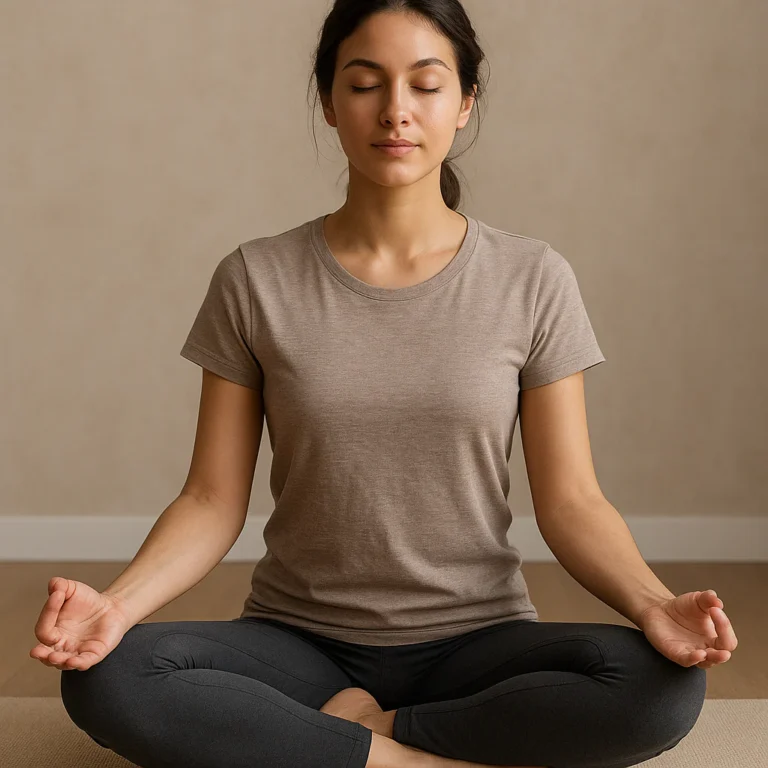
🧘 How to Sit for Meditation Practice: Mastering the Posture
You don’t need to twist yourself into a pretzel to meditate. The goal is alertness and comfort.
The Ideal Posture
- The Seat: You can sit on a chair, a cushion, a bench, or even the floor. The key is stability. If you use a chair, keep your feet flat on the floor. If you use a cushion, elevate your hips slightly above your knees to allow your spine to align naturally.
- The Spine: Imagine a string pulling the crown of your head toward the sky. Keep your spine straight but not stiff. Let the natural curves of your spine remain.
- The Hands: Rest your hands on your thighs or in your lap. Palms up (receptive) or down (grounding) are both fine.
- The Head: Tuck your chin slightly, as if holding a tennis ball under your chin.
- The Eyes: You can close them or keep them slightly open with a soft gaze directed a few feet in front of you. Closing them is great for focus; keeping them open helps prevent drowsiness.
Common Mistakes to Avoid
❌ Slouching: This signals to your brain that it’s time to sleep.
❌ Crossing legs too tightly: This cuts off circulation and creates pain, which becomes a distraction.
❌ Holding tension: Check your jaw, shoulders, and hands. Are they clenched? Let them go.
Tip: If you have back pain, try meditating while standing or walking. The posture is less important than the intention.
🌬️ Try This Beginner’s Mindfulness Meditation: The Minute Breathing Exercise
Ready to try it? Let’s do a one-minute breathing meditation right now. No equipment needed.
- Find a comfortable position. Sit in your chair, feet flat on the floor.
- Close your eyes or lower your gaze.
- Take a deep breath in through your nose, counting to four. Feel your belly expand.
- Hold for a moment.
- Exhale slowly through your mouth, counting to six. Feel your body relax.
- Repeat this cycle for one minute.
- Notice: When your mind wanders (and it will), gently say “thinking” and return to the breath.
Challenge: Can you do this three times today? Once in the morning, once before lunch, and once before bed?
🛒 Featured Mindful Products: Gear to Elevate Your Practice
While mindfulness is free, having the right tools can make the journey more enjoyable. Here are our top picks for gear that supports your practice.
Top Mindfulness Tools Comparison
| Product | Design | Functionality | Durability | Value | Best For |
|---|---|---|---|---|---|
| Meditation Cushion (Zafu) | 9/10 | 8/10 | 9/10 | 8/10 | Floor sitters |
| Mindfulness Journal | 10/10 | 9/10 | 7/10 | 9/10 | Reflection |
| Smart Meditation Lamp | 10/10 | 8/10 | 8/10 | 7/10 | Atmosphere |
| Noise-Canceling Headphones | 9/10 | 10/10 | 9/10 | 8/10 | Focus |
Product Deep Dives
1. The Zafu Meditation Cushion
A traditional round cushion that elevates the hips, promoting a natural spinal curve.
- Pros: Ergonomic, durable, available in various fabrics.
- Cons: Can be firm for beginners; requires a separate mat.
- Why we love it: It signals to your brain, “It’s time to practice.”
👉 Shop Zafu Cushions on:
- Amazon: Search for Zafu Meditation Cushions
- Etsy: Handmade Zafu Cushions
- Brand Official: Meditation Essentials
2. The Mindfulness Journal
A guided journal with prompts to help you track your thoughts, emotions, and progress.
- Pros: Structured guidance, beautiful design, builds a habit.
- Cons: Can feel restrictive if you prefer free-form writing.
- Why we love it: It turns abstract thoughts into concrete insights.
👉 Shop Mindfulness Journals on:
- Amazon: Search for Mindfulness Journals
- Etsy: Custom Mindfulness Journals
- Brand Official: The Mindful Journal
3. Noise-Canceling Headphones
Essential for creating a quiet space in a noisy world.
- Pros: Blocks out distractions, immersive audio experience.
- Cons: Can be expensive; battery life varies.
- Why we love it: They create an instant sanctuary.
👉 Shop Headphones on:
- Amazon: Search for Noise Canceling Headphones
- Walmart: Audio Gear
- Brand Official: Sony Audio
💡 Practical Insights: Integrating Mindfulness into a Busy Life
You’re convinced, but you’re busy. How do you fit this in? The answer is micro-mindfulness.
The “Habit Stacking” Method
Attach a mindfulness practice to an existing habit.
- Brushing Teeth: Feel the bristles, taste the toothpaste, listen to the sound.
- Waiting for Coffee: Stand still, feel your feet, breathe deeply.
- Red Lights: Instead of reaching for your phone, take three deep breaths.
The Power of Pauses
Set a timer on your phone for every hour. When it goes off, stop for 30 seconds. Just breathe. That’s it.
Mindful Listening
In conversations, try to listen without planning your response. Focus entirely on the other person’s words and tone. This improves relationships and reduces misunderstandings.
Answer to our earlier question: Which practice is hardest? For most people, it’s mindful eating. We are so conditioned to eat quickly and mindlessly that slowing down feels unnatural at first. But once you taste the food again, you’ll never go back!
📈 TRENDING: The Rise of Digital Mindfulness and Wearables
The future of mindfulness is digital. Wearable tech is now tracking our stress levels in real-time.
Smart Rings and Watches
Devices like the Oura Ring and Whop Strap monitor heart rate variability (HRV), a key indicator of stress and recovery. They can nudge you to take a breath when your stress levels spike.
AI-Powered Apps
Apps are using AI to personalize your practice. If you’re feeling anxious, the app suggests a calming meditation. If you’re feeling sluggish, it suggests an energizing one.
The Gamification of Mindfulness
Apps like Headspace and Calm use streaks, badges, and progress bars to keep you motivated. While some purists argue this detracts from the “non-judgmental” aspect, for many, it’s the hook that gets them started.
The Debate: Is gamification helping or hurting? Some say it turns mindfulness into a chore. Others say it builds the habit. What do you think?
📚 Learn More About Mindfulness: Essential Resources
Ready to go deeper? Here are some resources to expand your knowledge.
Books
- “Wherever You Go, There You Are” by Jon Kabat-Zinn: The classic introduction to mindfulness.
- “The Miracle of Mindfulness” by Thich Nhat Hanh: A gentle, poetic guide to the practice.
- “Full Catastrophe Living” by Jon Kabat-Zinn: The definitive guide to MBSR.
Online Courses
- Mindful.org: Offers free guided meditations and articles.
- Coursera: “Mindfulness for Wellbeing and Peak Performance” by Monash University.
- UCLA Mindful: Free guided meditations from the UCLA Mindful Awareness Research Center.
Podcasts
- Ten Percent Happier: Interviews with experts and practical advice.
- The Daily Meditation Podcast: Short, daily guided sessions.
📝 Summary
We’ve journeyed from the ancient temples of Asia to the modern apps in our pockets. We’ve explored the meaning of mindfulness, debunked myths, and learned how to sit, breathe, and live with intention.
Key takeaways:
- Mindfulness is present-moment awareness without judgment.
- It rewires the brain, reducing stress and improving focus.
- It’s not about emptying your mind, but observing it.
- You can practice it anywhere, anytime.
- Consistency is more important than duration.
Whether you’re a skeptic or a seasoned practitioner, there is always more to learn. The journey of mindfulness is a lifelong one, filled with moments of clarity, peace, and self-discovery.
✅ Conclusion

So, what is the meaning of mindfulness? It’s the simple, profound act of coming home to yourself. It’s the realization that you don’t need to fix your life to be happy; you just need to be present in it.
We started this article by asking if you could really practice mindfulness in a busy world. The answer is a resounding yes. In fact, the busier you are, the more you need it.
Our Recommendation: Start small. Commit to one minute of mindful breathing today. Just one minute. Notice how you feel. Then do it again tomorrow.
Mindfulness isn’t a destination; it’s a way of traveling. And the best part? You already have everything you need to begin.
Final Thought: “The present moment is the only time over which we have dominion.” — Thich Nhat Hanh
🔗 Recommended Links
Books on Mindfulness
- “Wherever You Go, There You Are” by Jon Kabat-Zinn: Buy on Amazon
- “The Miracle of Mindfulness” by Thich Nhat Hanh: Buy on Amazon
- “Full Catastrophe Living” by Jon Kabat-Zinn: Buy on Amazon
Products Mentioned
- Meditation Cushions: Search on Amazon | Search on Etsy
- Mindfulness Journals: Search on Amazon | Search on Etsy
- Noise-Canceling Headphones: Search on Amazon | Search on Walmart
❓ FAQ

What are some simple mindfulness exercises for beginners to get started with mindful living?
H3: What are some simple mindfulness exercises for beginners to get started with mindful living?
The best exercises are those that fit seamlessly into your day. Try the “5-4-3-2-1” technique: Acknowledge 5 things you see, 4 things you can touch, 3 things you hear, 2 things you can smell, and 1 thing you can taste. This grounds you instantly in the present.
Read more about “What Are the 5 Basics of Mindfulness? Unlock Your Calm in 2026 🧘 ♀️”
Can mindfulness be used to improve focus and concentration, and if so, how?
H3: Can mindfulness be used to improve focus and concentration, and if so, how?
Absolutely. Mindfulness trains the brain to return to a task after distraction. Every time you notice your mind wandering and bring it back, you are doing a “rep” for your attention muscle. Over time, this strengthens your ability to focus for longer periods.
What are the benefits of mindfulness meditation for mental health and wellbeing?
H3: What are the benefits of mindfulness meditation for mental health and wellbeing?
Mindfulness has been shown to reduce symptoms of depression, anxiety, and PTSD. It helps break the cycle of negative thinking and improves emotional regulation, leading to a more stable and positive mental state.
Read more about “8 Simple Mindfulness Practices for Busy People to Try Today 🧘 ♂️ (2025)”
What are some simple mindfulness exercises for beginners to get started with?
H3: What are some simple mindfulness exercises for beginners to get started with?
Start with mindful breathing or a body scan. These require no special equipment and can be done anywhere. Even a one-minute pause to notice your breath is a powerful start.
Can mindfulness be used to reduce stress and anxiety in everyday life?
H3: Can mindfulness be used to reduce stress and anxiety in everyday life?
Yes. By activating the parasympathetic nervous system (the “rest and digest” response), mindfulness lowers cortisol levels and calms the body’s stress response. It helps you respond to stressors with clarity rather than panic.
Read more about “7 Life-Changing Benefits of Mindfulness (2026) 🧠✨”
What are the benefits of practicing mindfulness meditation daily?
H3: What are the benefits of practicing mindfulness meditation daily?
Daily practice leads to cumulative benefits: improved sleep, better emotional control, enhanced creativity, and a greater sense of overall well-being. Consistency is key to rewiring the brain.
Read more about “50+ Self-Care Quotes for Healthcare: The Ultimate Guide (2026) 🏥”
How can mindfulness improve my mental health and wellbeing?
H3: How can mindfulness improve my mental health and wellbeing?
Mindfulness fosters self-compassion and reduces self-criticism. By observing thoughts without judgment, you create distance from negative patterns, allowing you to choose healthier responses and build resilience.
Read more about “The Science Behind Mindfulness & Mental Health: 10 Proven Benefits (2025) 🧠”
What is the connection between mindfulness and self-awareness, and how can cultivating mindfulness help me better understand myself and my emotions?
H3: What is the connection between mindfulness and self-awareness, and how can cultivating mindfulness help me better understand myself and my emotions?
Mindfulness is the foundation of self-awareness. It allows you to observe your thoughts and emotions as they arise, giving you insight into your triggers, patterns, and values. This awareness empowers you to make conscious choices rather than reacting automatically.
Can mindfulness be used to improve relationships and communication with others, and if so, what techniques are most effective?
H3: Can mindfulness be used to improve relationships and communication with others, and if so, what techniques are most effective?
Yes. Mindful listening—listening without planning your response—is a powerful technique. It fosters empathy and understanding. Additionally, practicing loving-kindness meditation can increase feelings of compassion toward others.
What are the benefits of mindfulness meditation for mental and physical health, and how can I get started?
H3: What are the benefits of mindfulness meditation for mental and physical health, and how can I get started?
Benefits include reduced stress, lower blood pressure, improved sleep, and better emotional regulation. To get started, find a quiet spot, sit comfortably, and focus on your breath for a few minutes.
How can I practice mindfulness in my daily life to reduce stress and increase focus?
H3: How can I practice mindfulness in my daily life to reduce stress and increase focus?
Integrate mindfulness into routine activities: wash dishes mindfully, walk without your phone, or eat without distractions. These “micro-practices” build the habit of presence throughout the day.
📖 Reference Links
- Mindful.org: What is Mindfulness?
- Greater Good Science Center (UC Berkeley): Mindfulness Definition
- MBSR Program: University of Massachusetts Medical School
- Thich Nhat Hanh: Plum Village
- Jon Kabat-Zinn: Center for Mindfulness
- Headspace: Headspace Official Site
- Calm: Calm Official Site
- Insight Timer: Insight Timer Official Site