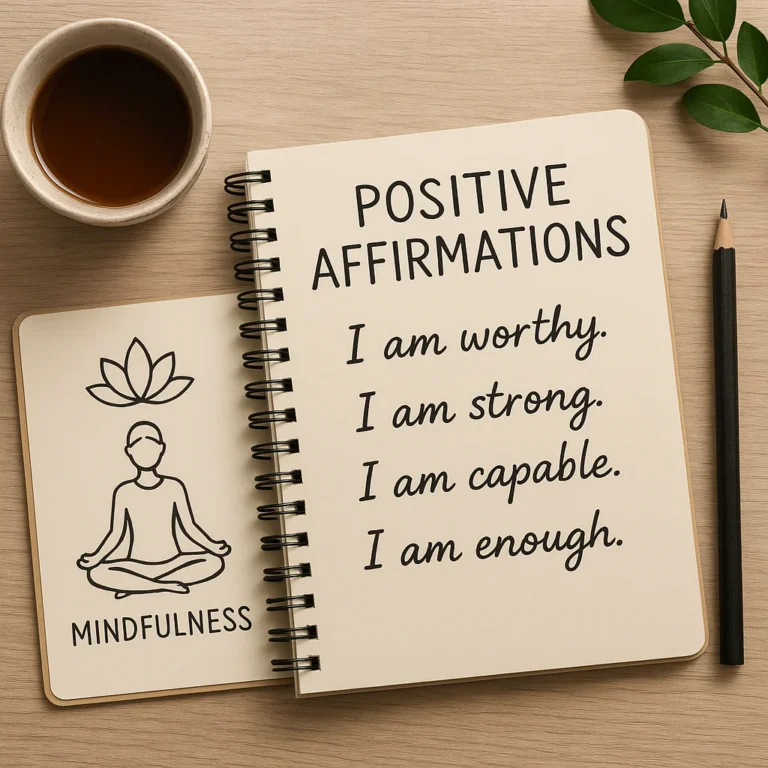
What Is a Mindfulness Quote for Healthcare? 30+ Inspiring Gems for 2026 🌿

Ever felt like the chaos of healthcare is a storm you can’t escape? You’re not alone. Whether you’re a nurse juggling endless tasks or a patient navigating uncertainty, a simple mindfulness quote can be be your secret weapon—a tiny beacon of calm in the whirlwind. At Mindful Quotes™, we’ve uncovered 30+ powerful mindfulness quotes tailored specifically for healthcare professionals and patients alike. These aren’t just feel-good phrases; they’re scientifically backed tools to reduce burnout, ease pain, and cultivate compassion.

Stick around, because later we’ll share how these quotes can be seamlessly woven into your daily routine, apps that deliver them right to your pocket, and even practical exercises inspired by these words of wisdom. Plus, hear a real-life story from an ER nurse who found solace in a single Post-it note quote during her toughest shifts. Ready to discover how a few mindful words can transform your healthcare journey? Let’s dive in!


Key Takeaways

  • Mindfulness quotes serve as quick, accessible anchors to present-moment awareness, crucial in high-stress healthcare environments.
  • They benefit both healthcare professionals and patients by reducing burnout, anxiety, and suffering through acceptance and compassion.
  • Integration into daily routines is simple and effective—from sticky notes on lockers to app notifications and mindful breath practices.
  • Scientific research supports mindfulness as a powerful tool for emotional regulation, resilience, and improved patient care outcomes.
  • 30+ curated quotes provide inspiration and practical wisdom tailored for the unique challenges faced in healthcare settings.

Table of Contents


⚡️ Quick Tips and Facts About Mindfulness Quotes in Healthcare

Welcome, fellow seekers of calm and clarity! Here at Mindful Quotes™, we’ve spent countless hours sifting through wisdom, finding those golden nuggets that truly resonate. And when it comes to the demanding world of healthcare, we’ve discovered something truly transformative: mindfulness quotes are not just pretty words; they’re powerful tools for resilience, compassion, and well-being.

Think about it: the healthcare environment is a whirlwind of high stakes, emotional intensity, and constant demands. For both the dedicated professionals on the front lines and the patients navigating their health journeys, a moment of mindful reflection can be a lifeline. But what exactly is a mindfulness quote for healthcare, and why does it matter so much? Let’s dive into some quick, impactful facts!

  • Definition: A mindfulness quote for healthcare is a concise, insightful statement designed to cultivate present-moment awareness, reduce stress, foster compassion, and promote emotional resilience within the unique context of medical settings. It’s a verbal anchor in a sea of chaos.
  • Dual Benefit: These quotes serve a dual purpose: they empower healthcare professionals to manage burnout and maintain empathy, and they help patients cope with pain, anxiety, and uncertainty.
  • Science-Backed: The principles behind these quotes are rooted in extensive research on mindfulness, which has been shown to reduce cortisol levels, improve focus, and enhance emotional regulation. Studies published in journals like JAMA Internal Medicine consistently highlight the benefits of mindfulness-based interventions for both clinicians and patients Source: American Medical Association.
  • Beyond the Buzzword: Mindfulness isn’t just a trendy term; it’s a practical skill. As Primal Health Coach reminds us, it’s about “being aware of actions and surroundings” and “being present in the moment” Source: Primal Health Coach.
  • Accessibility: Quotes offer an incredibly accessible entry point into mindfulness, requiring no special equipment or lengthy training. They’re instant wisdom, ready to be absorbed.
  • Combating Burnout: Healthcare burnout is a serious crisis. Mindfulness quotes, when integrated into daily routines, can act as micro-interventions, reminding professionals to pause, breathe, and reconnect with their purpose.
  • Enhancing Patient Experience: For patients, a well-placed quote can offer comfort, encourage acceptance, and even shift their perception of pain, as Sally Harris Mindfulness eloquently discusses Source: Sally Harris Mindfulness.

So, whether you’re a nurse, a doctor, a therapist, or a patient, these little nuggets of wisdom hold immense power. Ready to explore how they can transform your experience? We certainly are!

🧠 The Healing Power of Mindfulness: Origins and Evolution in Healthcare

Video: Everyday mindfulness | AboutKidsHealth at The Hospital for Sick Children.

Have you ever wondered where this whole “mindfulness” thing actually came from? It feels so modern, yet its roots stretch back thousands of years, like a wise old tree with branches reaching into every corner of our lives, including the bustling corridors of healthcare. Here at Mindful Quotes™, we believe understanding the journey of mindfulness helps us appreciate its profound impact today.

Ancient Wisdom Meets Modern Medicine: A Brief History

The concept of mindfulness, or sati in Pali, originates from ancient Buddhist traditions, dating back over 2,500 years. It was a core component of meditation practices aimed at achieving enlightenment and reducing suffering. For centuries, it remained largely within spiritual and philosophical realms, a secret garden of inner peace.

Fast forward to the late 20th century, and a quiet revolution began. A brilliant mind named Jon Kabat-Zinn, a molecular biologist, recognized the immense potential of these ancient practices for modern-day stress and chronic illness. In 1979, he founded the Stress Reduction Clinic at the University of Massachusetts Medical Center, introducing what he called Mindfulness-Based Stress Reduction (MBSR). This wasn’t about converting people to Buddhism; it was about bringing secular, evidence-based mindfulness practices into mainstream medicine.

  • The Game Changer: Kabat-Zinn’s genius was in stripping away the religious dogma and focusing on the universal human experience of stress and suffering. He made mindfulness palatable and practical for a Western medical audience. His work demonstrated that mindfulness could measurably reduce chronic pain, anxiety, and depression, even improving immune function.
  • Early Adopters: Initially, it was met with some skepticism (as all groundbreaking ideas are!). But the results spoke for themselves. Patients reported significant improvements, and healthcare professionals began to see the value.
  • Expanding Horizons: From MBSR, other mindfulness-based interventions emerged, such as Mindfulness-Based Cognitive Therapy (MBCT) for depression relapse prevention, and Acceptance and Commitment Therapy (ACT), which incorporates mindfulness principles. These approaches have been integrated into various therapeutic contexts, from mental health clinics to pain management centers.

Why Mindfulness Resonated So Deeply in Healthcare

The healthcare system, by its very nature, is a crucible of human experience – birth, death, illness, recovery, hope, despair. It’s a place where both caregivers and care recipients face immense challenges.

  • For Professionals: The relentless pace, emotional demands, and risk of compassion fatigue make healthcare workers particularly vulnerable to burnout. Mindfulness offers a vital antidote, helping them stay present, regulate emotions, and maintain empathy without being overwhelmed. As Headspace co-founder Andy Puddicombe wisely puts it, “Meditation means letting go of our baggage, letting go of all the pre-rehearsed stories and inner-dialogue that we’ve grown so attached to.” This is crucial for healthcare workers carrying the weight of their patients’ struggles.
  • For Patients: Facing illness often means confronting uncertainty, pain, and a loss of control. Mindfulness provides tools for patients to relate differently to their symptoms, reduce anxiety, and cultivate a sense of agency. It helps them acknowledge, as Tara Brach suggests, that “When painful sensations arise and we can simply meet them with clarity and presence, we can see that pain is just pain.” This shift from resistance to acceptance can be incredibly liberating.

Today, mindfulness is a recognized and respected component of integrative medicine. Major institutions like the Mayo Clinic Source: Mayo Clinic and the National Institutes of Health (NIH) Source: National Center for Complementary and Integrative Health (NCCIH) actively research and recommend mindfulness practices for a wide range of health conditions. It’s truly a testament to the enduring power of ancient wisdom, now validated by modern science, to bring healing and presence into our lives.

🌟 25+ Uplifting Mindfulness Quotes for Healthcare Professionals and Patients

Video: Mindfulness for Health and Wellbeing | Diana Winston | UCLAMDChat.

Alright, let’s get to the good stuff! You’re here for the quotes, aren’t you? We know the feeling. Sometimes, all it takes is a perfectly crafted sentence to shift your perspective, calm your nerves, or reignite your inner spark. At Mindful Quotes™, we’ve curated a collection specifically designed to resonate with the unique experiences of both healthcare heroes and those they care for.

Why 25+? Because we believe in abundance, especially when it comes to comfort and inspiration! While a competitor offers 19, we’re here to give you even more fuel for your mindful journey. These aren’t just pretty words; they’re anchors, reminders, and gentle nudges towards presence and peace.

For the Unsung Heroes: Healthcare Professionals

You’re constantly giving, constantly caring, often putting others before yourselves. These quotes are for you – to help you find stillness amidst the storm, replenish your compassion, and remember your own incredible strength.

  1. “In the midst of movement and chaos, keep stillness inside of you.” — Headspace co-founder. A powerful reminder that your inner calm is always accessible, no matter how hectic the ER gets.
  2. “The quieter you become, the more you can hear.” — Headspace. Essential for truly listening to patients and colleagues, beyond the noise.
  3. “We can’t always change what’s happening around us, but we can change what happens within us.” — Headspace. Your internal response is your superpower.
  4. “Brilliant things happen in calm minds. Be calm. You’re brilliant.” — Headspace. A confidence booster for those high-pressure decisions.
  5. “To know yourself is to be confident. To be confident is to fearlessly express your potential.” — Headspace. Self-awareness is key to thriving, not just surviving.
  6. “The mind is our most precious resource, through which we experience every single moment of life. Are you looking after yours?” — Headspace. A crucial question for self-care.
  7. “Training your mind to be in the present moment is the number one key to making healthier choices.” — Susan Albers. Applies to your own well-being as much as your patients’.
  8. “To produce at your peak level, you need full concentration on a single task.” — Cal Newport. Focus is a scarce resource; mindfulness helps you reclaim it.
  9. “The body benefits from movement, and the mind benefits from stillness.” — Sakyong Mipham. A simple truth for balancing your demanding physical and mental work.
  10. “Compassion is not a relationship between the healer and the wounded. It’s a relationship between equals.” — Pema ChĂśdrĂśn. A profound perspective on patient care.
  11. “Your work is to discover your world and then with all your heart give yourself to it.” — Buddha. Reconnect with the passion that brought you to healthcare.
  12. “The best way to take care of the future is to take care of the present moment.” — Thich Nhat Hấnh. Focus on the patient in front of you, the task at hand.
  13. “Between stimulus and response there is a space. In that space is our power to choose our response. In our response lies our growth and our freedom.” — Viktor Frankl. Crucial for navigating stressful interactions.
  14. “Self-care is not selfish. You cannot pour from an empty cup.” — Unknown. A foundational truth for sustainable caregiving.
  15. “The greatest healing therapy is friendship and love.” — Hubert H. Humphrey. Remember the power of human connection, both with patients and colleagues.

For the Brave Souls: Patients and Caregivers

Navigating illness, recovery, or supporting a loved one can feel overwhelming. These quotes are here to offer comfort, encourage acceptance, and remind you of your inner strength.

  1. “Remember the blue sky. It may at times be obscured by clouds, but it is always there.” — Headspace. A beautiful metaphor for enduring hope and inner peace.
  2. “Distractions are everywhere. Notice what takes your attention, acknowledge it, and then let it go.” — Headspace. Helpful for managing anxiety and intrusive thoughts.
  3. “Wherever you are, be there totally.” — Eckhart Tolle. Embrace the present moment, even when it’s challenging.
  4. “Drink your tea slowly and reverently, as if it is the axis on which the world earth revolves.” — Thich Nhat Hấnh. Find mindfulness in the smallest, everyday actions.
  5. “Be where you are; otherwise, you will miss your life.” — Buddha. A gentle nudge to engage with the now.
  6. “The mind is like water. When turbulent, it’s hard to see. When calm, everything becomes clear.” — Prasad Mahes. A comforting image for finding clarity amidst confusion.
  7. “Breathing in, I calm body and mind.” — Thich Nhat Hanh. A simple, powerful mantra for immediate relief.
  8. “The first victory is to conquer self.” — Plato. Empowering for those facing internal battles with fear or doubt.
  9. “If your heart is broken, make art with the pieces.” — Shane Koyczan. A call to transform pain into something meaningful.
  10. “Life doesn’t get easier, we get stronger.” — Steve Maraboli. A powerful affirmation of resilience.
  11. “No matter how difficult the past, you can always begin again today.” — Jack Kornfield. Offers hope and a fresh start.
  12. “We are bigger than our pain; we are also the love holding the pain.” — Kristin Neff. Emphasizes self-compassion when dealing with physical or emotional pain.
  13. “Bring your attention to the pain as if you were gently comforting a child, holding it all in a loving and soothing attention.” — Jack Kornfield. A compassionate approach to pain management.
  14. “Pain x Resistance = Suffering.” — Shinzen Young. A profound equation that highlights the role of acceptance in reducing suffering, as noted by Sally Harris Mindfulness.
  15. “If you resist the messages that your mind and body are sending you, those messages will keep on being dispatched (and felt) until you accept them.” — Vidyamala Burch & Danny Penman. Further reinforcing the power of acceptance.

Feeling a little lighter already? We hope so! These quotes are just the beginning. For even more inspiration, check out our comprehensive article: 101 Uplifting Quotes for Healthcare Workers to Inspire & Empower 💉 (2026). You can also explore our wider collection of Inspirational Quotes for daily motivation.

💡 How Mindfulness Quotes Enhance Mental Health and Reduce Burnout in Healthcare

Video: What is Mindfulness?

Let’s be real: the healthcare industry is a pressure cooker. Long shifts, life-or-death decisions, emotional intensity, and the sheer volume of work can take a brutal toll on mental health, leading to what we at Mindful Quotes™ often call the “silent epidemic” – healthcare burnout. But what if a simple phrase, a moment of mindful reflection, could be a powerful antidote? We’ve seen it happen, and the science backs it up!

The Burnout Beast: A Closer Look

Burnout isn’t just feeling tired; it’s a state of emotional, physical, and mental exhaustion caused by prolonged or excessive stress. In healthcare, it manifests as:

  • Emotional Exhaustion: Feeling drained, depleted, and unable to cope.
  • Depersonalization: Developing a cynical or detached attitude towards patients and work.
  • Reduced Personal Accomplishment: Feeling ineffective and lacking a sense of achievement.

The consequences are dire: increased medical errors, higher turnover rates, decreased patient satisfaction, and a profound impact on the well-being of our dedicated professionals. A study published in Mayo Clinic Proceedings found that burnout rates among physicians remain alarmingly high, often exceeding 50% Source: Mayo Clinic Proceedings.

The Mindful Shield: How Quotes Intervene

This is where mindfulness quotes step in, not as a magic cure, but as a vital component of a holistic strategy to bolster mental health and combat burnout. How do they work their magic?

1. Instant Presence and Grounding

In a fast-paced environment, it’s easy to get lost in future worries or past regrets. A quote like “Wherever you are, be there totally” (Eckhart Tolle) or “Breathing in, I calm body and mind” (Thich Nhat Hanh) acts as an immediate anchor. It pulls you back to the present moment, where you can focus on your breath, your senses, and the task at hand. This brief pause can interrupt the cycle of anxious thoughts and bring a sense of calm.

2. Shifting Perspective and Cognitive Reframing 🔄

Burnout often comes with a negative thought spiral. Mindfulness quotes can gently nudge you towards a more balanced perspective. When you read “We can’t always change what’s happening around us, but we can change what happens within us” (Headspace), it empowers you to focus on what you can control – your internal response. This cognitive reframing is a core tenet of mindfulness and can significantly reduce feelings of helplessness.

3. Cultivating Self-Compassion and Empathy ❤️

Healthcare professionals are often incredibly compassionate towards others but notoriously hard on themselves. Quotes like “Self-care is not selfish. You cannot pour from an empty cup” (Unknown) or “We are bigger than our pain; we are also the love holding the pain” (Kristin Neff) serve as crucial reminders to extend kindness to oneself. This self-compassion is vital for preventing empathy fatigue and maintaining a sustainable career.

4. Promoting Emotional Regulation ⚖️

Intense emotions are a daily reality in healthcare. Mindfulness teaches us to observe emotions without judgment, allowing them to pass rather than being consumed by them. A quote such as “The mind is like water. When turbulent, it’s hard to see. When calm, everything becomes clear” (Prasad Mahes) encourages this non-reactive observation, helping professionals manage stress, grief, and frustration more effectively.

5. Fostering Resilience and Inner Strength 💪

Resilience is the ability to bounce back from adversity. Mindfulness quotes often carry messages of enduring strength and the capacity for renewal. “Life doesn’t get easier, we get stronger” (Steve Maraboli) or “Remember the blue sky. It may at times be obscured by clouds, but it is always there” (Headspace) can be powerful affirmations during challenging times, reminding individuals of their inherent capacity to overcome.

A Personal Anecdote: The Power of a Post-it Note

One of our Mindful Quotes™ team members, a former ER nurse, shared a story that perfectly illustrates this. “There was a period where I felt utterly drained,” she recounted. “Every shift felt heavier. I started writing a simple quote, ‘This too shall pass,’ on a small Post-it note and sticking it inside my locker. Just seeing it before and after a shift, or even during a quick break, was enough to create a tiny mental space. It didn’t solve everything, but it was a consistent, gentle reminder that I could get through it, and that the intensity was temporary. It was my little secret weapon against the overwhelm.”

This small act, inspired by a simple quote, highlights the profound impact these words can have. They are not just decorative; they are functional tools for mental well-being, helping to build a more resilient and compassionate healthcare workforce.

🩺 Integrating Mindfulness Quotes into Patient Care and Therapy

Video: Bringing mindfulness to healthcare | Bob McClure | TEDxSanDiegoSalon.

So, we’ve talked about how mindfulness quotes can be a lifeline for healthcare professionals. But what about the patients themselves? And how can therapists weave these nuggets of wisdom into their practice? At Mindful Quotes™, we’ve seen firsthand how a well-chosen quote can be a powerful catalyst for healing, acceptance, and empowerment in patient care. It’s not just about feeling good; it’s about providing practical tools for coping and thriving.

Enhancing the Patient Experience: A Gentle Touch

Imagine being a patient, perhaps facing a daunting diagnosis, chronic pain, or a long recovery. Your mind might be racing with fear, anxiety, or frustration. In such moments, a simple, profound quote can offer a moment of solace, a shift in focus, or a new perspective.

Practical Applications for Patient Care:

  1. Waiting Room Wisdom:

    • How: Display aesthetically pleasing posters or digital screens with rotating mindfulness quotes in waiting areas.
    • Why: This creates a calming atmosphere and offers patients something positive to focus on, reducing pre-appointment anxiety.
    • Example Quote: “The mind is like water. When turbulent, it’s hard to see. When calm, everything becomes clear.” — Prasad Mahes.
    • Tip: Consider using a digital frame like the Aura Carver Smart Digital Picture Frame (available on Amazon | Walmart) to easily rotate quotes and calming imagery.
  2. Bedside Companions:

    • How: Print small, laminated cards with a single quote and place them on patient nightstands or attach them to IV poles.
    • Why: Provides a personal, accessible source of comfort and a prompt for mindful breathing, especially during difficult moments or sleepless nights.
    • Example Quote: “Breathing in, I calm body and mind.” — Thich Nhat Hanh.
    • Tip: Ensure the font is large and clear, and the cards are easy to sanitize.
  3. Discharge Instructions & Follow-up:

    • How: Include a relevant mindfulness quote on discharge papers, post-op instructions, or in follow-up emails/messages.
    • Why: Reinforces positive coping strategies and encourages continued mindfulness practice at home, supporting long-term well-being.
    • Example Quote: “No matter how difficult the past, you can always begin again today.” — Jack Kornfield.
  4. Therapeutic Communication:

    • How: Healthcare providers can verbally share a quote during a patient interaction when appropriate, linking it to the patient’s experience.
    • Why: This can validate feelings, offer a new perspective, and open a dialogue about coping mechanisms.
    • Example Scenario: A patient expresses frustration with chronic pain. A nurse might say, “It sounds incredibly tough. Sometimes, remembering that ‘Pain x Resistance = Suffering’ (Shinzen Young) can help us approach the pain differently, not to ignore it, but to reduce the added suffering from fighting it.”

Weaving Wisdom into Therapy Sessions: Deeper Engagement

For therapists, counselors, and health coaches, mindfulness quotes are invaluable tools for guiding clients towards self-discovery, acceptance, and resilience. They can serve as conversation starters, homework assignments, or powerful affirmations.

Step-by-Step Integration in Therapy:

  1. Introduction & Exploration:

    • Step 1: Present the Quote. Begin a session by introducing a quote relevant to the client’s current struggles (e.g., anxiety, self-criticism, pain). Write it on a whiteboard or provide a printed copy.
    • Step 2: Invite Reflection. Ask the client: “What resonates with you in this quote?” or “What thoughts or feelings does this bring up?”
    • Why: This opens a safe space for discussion and allows the client to connect with the wisdom on a personal level.
  2. Mindful Practice & Application:

    • Step 3: Guided Reflection. Guide the client through a brief mindfulness exercise inspired by the quote. For example, if using “In the midst of movement and chaos, keep stillness inside of you” (Headspace), guide a short breathing exercise focused on finding an inner anchor.
    • Step 4: Real-World Connection. Discuss how the quote’s message can be applied to their daily life, specific challenges, or interactions. “How might remembering ‘The first victory is to conquer self’ (Plato) help you with that difficult conversation at work?”
    • Why: Moves beyond intellectual understanding to experiential learning and practical application.
  3. Homework & Reinforcement:

    • Step 5: Daily Integration. Encourage the client to choose one quote that particularly resonates and keep it visible (e.g., on their phone background, mirror, or journal).
    • Step 6: Journaling Prompt. Suggest journaling about the quote’s meaning, how it applies to their experiences, or how it shifts their perspective throughout the week.
    • Why: Sustains the therapeutic work between sessions and embeds mindfulness into daily habits.

Resolving Conflicting Perspectives: Acceptance vs. Action

Sometimes, quotes might seem to offer slightly different angles. For instance, some emphasize acceptance (“What you resist, persists” – Carl Jung, as cited by Sally Harris Mindfulness), while others might imply a need for action (“The first victory is to conquer self” – Plato). How do we reconcile this?

Our Expert Advice: There’s no conflict! Mindfulness is about wise action, not passive resignation. Acceptance (of what is in the present moment) is often the first step towards effective change. You can’t change what you don’t acknowledge.

  • Acceptance: When facing pain or difficult emotions, accepting their presence (without judgment or resistance) reduces suffering. As Sally Harris Mindfulness highlights with Shinzen Young’s formula, “Pain x Resistance = Suffering.”
  • Action: Once accepted, you are then in a clearer, more empowered state to decide on a wise response or action. “Conquering self” might mean accepting a difficult emotion, then choosing a mindful response rather than reacting impulsively.

So, the quotes work in tandem: accept the present reality, then choose your next mindful step. This balanced perspective is key to truly integrating mindfulness into both patient care and therapeutic practice.

🧘 ♀️ Be Kind to Your Mind: Mindfulness Practices Inspired by Quotes for Healthcare Workers

Video: The Best Quotes for Bringing Mindfulness into Your Life.

You’re a healthcare worker. You’re a superhero. But even superheroes need to recharge their powers, right? The constant demands, the emotional weight, the sheer exhaustion – it’s a recipe for mental fatigue. At Mindful Quotes™, we’ve seen how easily self-neglect can creep in. That’s why we’re passionate about helping you, our incredible healthcare professionals, cultivate a practice of self-kindness. And guess what? Many powerful mindfulness practices can be directly inspired by the very quotes we’ve been discussing!

Remember that feeling of being utterly overwhelmed? Mark Bertin, a developmental pediatrician, perfectly captures this in the featured video for this article. He emphasizes that when stress is immense, we often “lose touch with those small things… that help keep us resilient,” like exercise, sleep, and connecting with friends. He reminds us that mindfulness isn’t about eliminating stress, but about developing skills to navigate difficult periods, helping to settle an exhausted and overwhelmed mind. It’s about catching a moment and bringing your awareness back.

Let’s dive into some actionable, quote-inspired practices to help you be kind to your mind.

1. The “Stillness in Chaos” Breath Practice

Inspired by: “In the midst of movement and chaos, keep stillness inside of you.” — Headspace co-founder.

This quote is a beacon for anyone in a high-stress environment. It reminds you that an inner sanctuary is always available.

  • The Practice (The 15-Breath Reset, as suggested by Mark Bertin):
    1. Find Your Anchor: Whenever you feel overwhelmed, find a comfortable, still posture – sitting at a desk, standing by a window, even leaning against a wall for a moment. Gently lower your gaze or close your eyes if safe and comfortable.
    2. Focus on Breath: Place your attention on the physical sensation of your breath. Notice the rise and fall of your chest or abdomen, the air entering and leaving your nostrils. This is your anchor.
    3. Count Your Breaths: As Mark Bertin suggests, count your breaths up to seven. “Breathing in one, breathing out one… breathing in two, breathing out two…” If your mind wanders (and it will!), gently acknowledge the distraction and return to counting from one.
    4. “Nothing to Do, Nothing to Fix”: Remember Bertin’s powerful advice: “there is nothing to do, nothing to fix” or make yourself feel any different. This isn’t about achieving perfect calm, but about creating a brief mental rest.
    5. Duration: Aim for just 15 breaths, which usually takes about a minute. You can do this multiple times a day.
  • Why it helps: This micro-practice helps you disengage from external stressors and reconnect with your internal state, fostering a sense of calm and control, even if fleeting. It’s a quick way to “catch a moment and just bring your awareness back.”

2. The “Blue Sky” Perspective Shift

Inspired by: “Remember the blue sky. It may at times be obscured by clouds, but it is always there.” — Headspace.

This beautiful metaphor reminds us that our fundamental well-being and inner peace are always present, even when obscured by difficult emotions or challenging circumstances.

  • The Practice (Cloud Gazing, Inner Sky):
    1. Acknowledge the Clouds: When you’re feeling stressed, anxious, or sad, acknowledge these feelings. Don’t push them away. “Okay, I’m feeling overwhelmed right now, like a sky full of storm clouds.”
    2. Visualize the Blue Sky: Gently shift your attention to the idea that beneath these “clouds” of emotion, your inherent calm and clarity (your “blue sky”) remains untouched. You can visualize a vast, clear blue sky behind the clouds.
    3. Non-Identification: Remind yourself: “I am not these clouds; I am the sky.” This helps create a healthy distance from intense emotions, preventing you from being consumed by them.
    4. Journaling Prompt: “What ‘clouds’ are obscuring my ‘blue sky’ today? How can I remember that the blue sky is always there?”
  • Why it helps: This practice fosters resilience and hope, reminding you that difficult feelings are temporary and do not define your core self. It’s a powerful tool for emotional regulation.

3. The “Empty Cup” Self-Compassion Break

Inspired by: “Self-care is not selfish. You cannot pour from an empty cup.” — Unknown.

This quote is a rallying cry for self-care, especially for those who constantly give to others.

  • The Practice (Mindful Self-Compassion Break):
    1. Notice Suffering: When you notice you’re struggling, feeling overwhelmed, or experiencing compassion fatigue, pause.
    2. Common Humanity: Place a hand over your heart or on your cheek. Silently say to yourself: “This is a moment of suffering. Suffering is a part of life. I am not alone in feeling this way; many healthcare workers feel this.”
    3. Self-Kindness: Then, offer yourself kindness: “May I be kind to myself in this moment. May I give myself the compassion I need.”
    4. Actionable Self-Care: Ask yourself: “What small thing can I do right now to replenish my cup?” This might be taking a 5-minute walk, listening to a favorite song, drinking a glass of water, or simply taking a few deep breaths.
  • Why it helps: This practice directly combats self-criticism and burnout by fostering self-compassion, a crucial ingredient for sustained well-being in demanding professions. It reminds you that your capacity to care for others is directly linked to your capacity to care for yourself.

These practices, rooted in profound mindfulness quotes, are not luxuries; they are necessities for healthcare workers. They are your tools for resilience, your moments of peace, and your pathway to being truly kind to your mind.

📚 Learn More About Meditation and Mindfulness Techniques for Healthcare Settings

You’ve dipped your toes into the wisdom of mindfulness quotes and even tried a few quick practices. Feeling a shift? We thought you might! Now, if you’re curious to dive deeper into the ocean of calm that is meditation and more structured mindfulness techniques, especially tailored for the unique pressures of healthcare, you’ve come to the right place. At Mindful Quotes™, we believe that knowledge is power, and understanding these techniques can unlock profound benefits for both you and your patients.

Beyond the Quote: Structured Mindfulness Techniques

While quotes offer instant wisdom, formal mindfulness and meditation practices provide a more systematic way to train your mind. They build the mental muscle that allows you to apply the wisdom of those quotes consistently.

1. Mindfulness-Based Stress Reduction (MBSR)

  • What it is: The granddaddy of secular mindfulness programs, developed by Jon Kabat-Zinn. It’s an intensive 8-week course involving guided meditations (body scan, sitting meditation, mindful movement like yoga), group discussions, and daily home practice.
  • Why it’s great for healthcare: MBSR has extensive research backing its effectiveness in reducing stress, anxiety, depression, and chronic pain. It teaches participants to respond more skillfully to stress rather than reacting impulsively. For healthcare professionals, it’s a robust framework for developing resilience and preventing burnout. For patients, it offers tools to cope with illness and improve quality of life.
  • Where to learn: Many hospitals and wellness centers offer MBSR programs. You can find certified instructors through the Center for Mindfulness at UMass Medical School Source: UMass Medical School.

2. Mindfulness-Based Cognitive Therapy (MBCT)

  • What it is: Developed to prevent relapse in individuals with recurrent depression, MBCT combines elements of MBSR with principles of Cognitive Behavioral Therapy (CBT). It teaches participants to become aware of negative thought patterns and to relate to them differently, rather than getting caught in their grip.
  • Why it’s great for healthcare: For healthcare professionals dealing with the emotional aftermath of difficult cases or personal struggles, MBCT can be invaluable in preventing spirals into rumination or depressive episodes. For patients, especially those with chronic conditions that often co-occur with depression, MBCT offers powerful tools for mental well-being.
  • Where to learn: Look for certified MBCT practitioners or programs offered by mental health clinics. The Oxford Mindfulness Centre Source: Oxford Mindfulness Centre is a leading resource.

3. Compassion-Focused Therapy (CFT)

  • What it is: While not strictly a mindfulness technique, CFT heavily integrates mindfulness to cultivate self-compassion and compassion for others. It focuses on developing a “compassionate mind” to soothe distress and manage difficult emotions.
  • Why it’s great for healthcare: This is particularly relevant for healthcare workers experiencing compassion fatigue. CFT helps them replenish their emotional reserves and maintain empathy without being overwhelmed. For patients, it fosters self-acceptance and reduces shame, which can be significant barriers to healing.
  • Where to learn: Resources are available through the Compassionate Mind Foundation Source: Compassionate Mind Foundation.

4. Brief Guided Meditations

  • What it is: Short, focused audio meditations (often 5-20 minutes) that guide you through a specific mindfulness exercise, such as a body scan, breath awareness, or loving-kindness meditation.
  • Why it’s great for healthcare: Perfect for busy schedules! These can be squeezed into a lunch break, before a shift, or even between patients. They offer a quick mental reset and can be easily accessed via apps (which we’ll discuss next!).
  • Where to learn: Apps like Headspace and Calm (see next section) are excellent resources. YouTube also has a wealth of free guided meditations.

The Power of Practice: Consistency is Key

Remember what Mark Bertin said in the video: regular practice helps develop an intuitive trait, allowing individuals to more easily fall back on these skills during moments of stress. It’s like building a muscle – the more you train it, the stronger it becomes.

  • Start Small: Don’t feel pressured to meditate for an hour a day. Even 5-10 minutes consistently can make a huge difference.
  • Find Your Fit: Experiment with different techniques and instructors. What works for one person might not work for another.
  • Be Patient: Mindfulness is a practice, not a destination. There will be days your mind is busy, and that’s perfectly normal. Approach it with curiosity and non-judgment, just as Headspace reminds us: “There is no good or bad meditation — there is simply awareness or non-awareness.”

By exploring these deeper techniques, you’re not just learning to cope; you’re learning to thrive. You’re building a foundation of inner peace that will serve you, your colleagues, and your patients for years to come.

🛠️ Tools and Apps Featuring Mindfulness Quotes for Healthcare Professionals

In the whirlwind of healthcare, finding a moment of peace can feel like searching for a needle in a haystack. But what if that needle was right in your pocket, accessible with a tap? That’s the beauty of mindfulness apps and tools! At Mindful Quotes™, we’ve explored countless options, and we’re here to share our top picks that not only offer guided meditations but also sprinkle in those powerful mindfulness quotes we love so much.

These aren’t just for downtime; they’re designed to be integrated into your busy day, offering micro-moments of calm and perspective.

Our Top Mindfulness App Ratings (1-10 Scale)

App/Tool Name Overall Rating Ease of Use Content Quality Quote Integration Customization Value for Money
Headspace 9.5 10 9.5 9 8 8.5
Calm 9.0 9 9 8 9 8
Insight Timer 8.5 7.5 9.5 7 10 9.5
Ten Percent Happier 8.0 8 9 7.5 7 7.5
The Mindfulness App 7.5 8 8 7 8 7

Detailed Analysis of Top Picks

1. Headspace: Your Pocket-Sized Guru 🧘 ♂️

  • Overview: Headspace is arguably the most well-known mindfulness app, co-founded by former monk Andy Puddicombe. It’s famous for its clear, approachable, and often witty guided meditations.
  • Features & Benefits:
    • Guided Meditations: Hundreds of sessions covering stress, sleep, focus, anxiety, and more. Perfect for healthcare professionals needing targeted relief.
    • “SOS” Sessions: Quick, short meditations for moments of acute stress – ideal for a quick break between patients or during a challenging shift.
    • Sleepcasts & Soundscapes: Help unwind after a long day.
    • Mindfulness Quotes: Headspace excels at integrating quotes directly into its lessons and often shares them on social media and within the app as daily reminders. Many of the quotes we’ve featured in this article are from Headspace’s own wisdom library.
    • User Experience: Incredibly user-friendly interface, making it easy to navigate even when you’re exhausted.
  • Drawbacks: Primarily subscription-based, with limited free content.
  • Why it’s great for healthcare: Its structured courses and quick “SOS” meditations are perfect for busy professionals. The clear, concise guidance makes mindfulness accessible even for beginners.
  • 👉 Shop Headspace on: Headspace Official Website

2. Calm: Sleep, Meditate, Relax 🌙

  • Overview: Calm is another powerhouse in the mindfulness space, often lauded for its beautiful aesthetics and focus on sleep.
  • Features & Benefits:
    • Sleep Stories: Bedtime stories read by celebrities (like Matthew McConaughey!) to help you drift off. A godsend after a demanding night shift.
    • Guided Meditations: A wide variety of meditations for different needs, including specific programs for stress and anxiety.
    • Soundscapes: Nature sounds and calming music.
    • Mindfulness Quotes: While not as explicitly integrated into lessons as Headspace, Calm often features inspiring quotes as daily reminders or within its “Daily Calm” sessions.
    • User Experience: Visually appealing and intuitive.
  • Drawbacks: Also subscription-based, with some users finding the focus on sleep overshadows other mindfulness aspects.
  • Why it’s great for healthcare: The sleep stories are a huge plus for professionals struggling with irregular sleep patterns. The calming visuals and sounds create an immediate sense of peace.
  • 👉 Shop Calm on: Calm Official Website

3. Insight Timer: The Free & Expansive Library 🔔

  • Overview: Insight Timer is a community-driven app offering the largest free library of guided meditations, talks, and music.
  • Features & Benefits:
    • Vast Library: Over 100,000 free guided meditations from thousands of teachers. You can find meditations specifically for healthcare workers, stress relief, compassion, and more.
    • Customizable Timer: A simple meditation timer with beautiful bells and ambient sounds.
    • Community Features: Connect with other meditators and teachers.
    • Mindfulness Quotes: While not a core feature, many teachers incorporate quotes into their guided sessions, and the app’s community posts often feature inspiring words.
    • User Experience: Can be a bit overwhelming due to the sheer volume of content, but powerful once you learn to navigate it.
  • Drawbacks: The sheer volume can be daunting for beginners. Quality varies among different teachers.
  • Why it’s great for healthcare: The extensive free content makes it incredibly accessible. You can find highly specific meditations tailored to your exact needs, from 5-minute breath breaks to longer sessions on compassion fatigue.
  • 👉 Shop Insight Timer on: Insight Timer Official Website

4. Ten Percent Happier: For the Skeptics 🧠

  • Overview: Based on Dan Harris’s book, this app is designed for “fidgety skeptics” who want to learn mindfulness without the spiritual jargon.
  • Features & Benefits:
    • Expert Teachers: Features renowned mindfulness teachers like Joseph Goldstein and Sharon Salzberg.
    • Practical Approach: Focuses on the science and practical benefits of mindfulness.
    • Courses & Talks: Structured learning paths and insightful talks.
    • Mindfulness Quotes: Quotes are often integrated into the lessons and talks, emphasizing the practical application of mindfulness.
  • Drawbacks: Subscription-based and less focus on aesthetics compared to Calm.
  • Why it’s great for healthcare: If you’re a science-minded professional who appreciates a no-nonsense approach, this app is perfect. It demystifies mindfulness and makes it relatable.
  • 👉 Shop Ten Percent Happier on: Ten Percent Happier Official Website

Beyond Apps: Physical Tools

Don’t forget the power of tangible reminders!

  • Mindfulness Journals: A simple notebook can be a powerful tool for reflection. Consider journals like the “The Five Minute Journal” (available on Amazon | Walmart) which includes prompts for gratitude and daily intentions, often incorporating inspiring quotes.
  • Quote Cards: Create your own set of laminated mindfulness quote cards (like the ones we suggested for patient care) to keep in your locker, on your desk, or even in your scrub pocket.
  • Mindful Moment Timers: Simple sand timers or small digital timers can be used to signal a quick mindful break, reminding you to pause and breathe.

These tools, whether digital or physical, are not just distractions; they are intentional aids to cultivate presence, reduce stress, and ultimately, enhance your mental well-being in the demanding world of healthcare. Which one will you try first?

🎯 Practical Tips to Use Mindfulness Quotes Daily in Healthcare Environments

Okay, you’ve got the quotes, you understand the benefits, and you even know about some cool apps. But how do you actually weave these powerful little nuggets of wisdom into the relentless, often chaotic rhythm of a healthcare day? It’s not about adding another task to your already overflowing plate; it’s about creating micro-moments of mindfulness. At Mindful Quotes™, we’ve gathered some tried-and-true strategies from our own team and from healthcare professionals who swear by these practices.

The key is integration, not imposition. Make it easy, make it personal, and make it a habit.

1. The “Visual Anchor” Strategy 👀

  • Tip: Place quotes where you’ll see them frequently throughout your day.
  • How-To:
    • Locker Door/Cubicle Wall: Print out your favorite quote (or a few!) and tape it inside your locker or on your cubicle wall. A quick glance before or after a shift can set a positive tone.
    • Computer Monitor/Keyboard: A small sticky note with a quote on the edge of your monitor or keyboard can be a subtle, yet powerful, reminder to pause.
    • Water Bottle/Coffee Mug: Use a permanent marker or a waterproof sticker to put a quote on an item you use constantly. Every sip becomes a mindful moment.
    • Phone Wallpaper/Lock Screen: This is a classic for a reason! Every time you check your phone, you get a dose of wisdom.
  • Why it works: Visual cues are incredibly effective. They interrupt automatic thought patterns and gently redirect your attention to the present moment.

2. The “Trigger-Based” Mindfulness Moment 🔔

  • Tip: Associate a specific daily event or action with a mindfulness quote and a brief pause.
  • How-To:
    • Hand Washing: Every time you wash your hands (which is a lot in healthcare!), silently recite a short quote like “Breathing in, I calm body and mind” (Thich Nhat Hanh) and focus on the sensations of the water and soap.
    • Doorway Pause: Before entering a patient’s room or leaving a stressful situation, pause at the doorway. Take one deep breath and recall a quote like “In the midst of movement and chaos, keep stillness inside of you” (Headspace).
    • Charting Break: When you sit down to chart, take 30 seconds before you start typing to read a quote and simply breathe.
    • Commute: Use your commute as a dedicated time for a guided meditation from an app like Headspace or Calm, or simply reflect on a chosen quote for the day.
  • Why it works: It leverages existing routines, making it easier to build a new habit without feeling like an extra chore.

3. The “Share the Wisdom” Approach 🗣️

  • Tip: Share mindfulness quotes with colleagues and patients (when appropriate).
  • How-To:
    • Team Huddle Opener: Start a team huddle with a quick, relevant quote to set a mindful tone for the shift.
    • “Quote of the Day” Board: If your department has a shared space, consider a small whiteboard where a different quote is written each day.
    • Gentle Suggestion to Patients: As discussed earlier, if a patient is struggling with anxiety or pain, a well-placed, empathetic quote can be incredibly comforting. “Sometimes, when things feel overwhelming, I find this thought helpful: ‘Remember the blue sky. It may at times be obscured by clouds, but it is always there.'”
  • Why it works: Sharing creates a supportive environment, normalizes mindfulness, and can spark meaningful conversations.

4. The “Journal & Reflect” Habit ✍️

  • Tip: Dedicate a few minutes at the beginning or end of your day to reflect on a quote.
  • How-To:
    • Morning Intention: Choose a quote for the day and write it down. How do you want to embody its message today?
    • Evening Reflection: At the end of your shift, pick a quote and journal about how it relates to your experiences. Did it help you navigate a challenge? Did it offer a new perspective?
    • Gratitude & Mindfulness Journal: Use a dedicated journal (like “The Five Minute Journal” mentioned earlier) that prompts you to integrate mindfulness and gratitude.
  • Why it works: Journaling deepens your understanding of the quotes and helps you internalize their wisdom, making them more impactful over time.

5. The “Digital Nudge” Strategy 📱

  • Tip: Leverage technology to deliver quotes directly to you.
  • How-To:
    • App Notifications: Enable daily quote notifications from apps like Headspace or Calm.
    • Mindfulness Reminders: Set recurring alarms on your phone with a quote as the label, prompting you to take a mindful breath.
    • Social Media Follows: Follow Mindful Quotes™ (and other similar pages!) on social media for a regular stream of inspiring content.
  • Why it works: It’s passive yet effective, ensuring you receive consistent exposure to mindful messages without active effort.

Remember, these aren’t rigid rules, but flexible suggestions. The most important thing is to find what resonates with you and what fits seamlessly into your unique healthcare environment. Start small, be consistent, and watch how these little moments of mindful wisdom transform your day, one quote at a time.

🤔 Common Questions About Mindfulness Quotes in Healthcare Answered

We’ve covered a lot of ground, from ancient origins to modern apps! But as expert quote collectors at Mindful Quotes™, we know that when it comes to something as personal and impactful as mindfulness, questions are bound to pop up. You might be wondering, “Is this really for me?” or “How do I even start?” Let’s tackle some of the most common queries we hear about mindfulness quotes in healthcare.

Q1: Are mindfulness quotes just “fluffy” feel-good statements, or do they have real impact?

Fluffy? Absolutely not!Real impact? You bet!

While they might seem simple, mindfulness quotes are distilled wisdom, often from centuries of contemplative practice or modern psychological insight. Their power lies in their ability to:

  • Shift Perspective: A well-chosen quote can immediately reframe a stressful situation. As Headspace notes, “We can’t always change what’s happening around us, but we can change what happens within us.” This isn’t fluff; it’s a profound truth about agency.
  • Serve as Cognitive Anchors: In moments of overwhelm, a quote acts as a mental anchor, pulling you back to the present and interrupting negative thought spirals.
  • Promote Self-Compassion: For healthcare professionals, quotes like “Self-care is not selfish. You cannot pour from an empty cup” are vital reminders that directly combat burnout and foster sustainable empathy.
  • Encourage Acceptance: For patients, quotes like Shinzen Young’s “Pain x Resistance = Suffering” (cited by Sally Harris Mindfulness) offer a practical framework for reducing suffering, which is anything but fluffy when you’re in pain.

The impact is backed by research on mindfulness-based interventions, which consistently show improvements in stress reduction, emotional regulation, and overall well-being.

Q2: I’m so busy, I barely have time to breathe. How can I possibly fit mindfulness quotes into my day?

We hear you! This is perhaps the most common concern, especially in healthcare. The good news? You don’t need hours.

  • Micro-Moments are Mighty: The beauty of quotes is their brevity. You can read one in 5 seconds. The trick is to integrate them into existing routines.
  • Trigger-Based Integration: As we discussed in the “Practical Tips” section, link a quote to an action you already do:
    • Every time you wash your hands.
    • Before you open a patient’s door.
    • While waiting for a computer to load.
    • During your commute.
  • Visual Cues: Place quotes where you can’t miss them – phone lock screen, locker door, even a sticky note on your monitor.
  • App Nudges: Let an app like Headspace or Calm send you daily reminders.

Remember Mark Bertin’s advice from the video: even “15 breaths (usually takes about a minute)” can be a way to “catch a moment and just bring your awareness back.” A quote can be that initial “catch.”

Q3: Can mindfulness quotes really help with something as serious as chronic pain or anxiety?

Yes, they absolutely can, as part of a broader approach.

Mindfulness quotes are not a standalone cure for chronic pain or clinical anxiety, but they are incredibly valuable tools within a comprehensive treatment plan.

  • Shifting Relationship with Pain: For chronic pain, quotes like “Bring your attention to the pain as if you were gently comforting a child, holding it all in a loving and soothing attention” (Jack Kornfield) help patients cultivate acceptance and reduce the suffering associated with pain, even if the sensation itself remains. This is a core principle taught in programs like MBSR.
  • Managing Anxiety: For anxiety, quotes that emphasize presence and letting go of distractions (e.g., “Distractions are everywhere. Notice what takes your attention, acknowledge it, and then let it go.” – Headspace) can help individuals observe anxious thoughts without becoming overwhelmed by them. They support emotional regulation and cognitive reframing, which are key components of therapies like CBT.
  • Empowerment: They empower patients to take an active role in their own well-being, fostering a sense of control and resilience.

Always remember that for serious conditions, mindfulness practices and quotes should complement, not replace, professional medical and psychological care.

Q4: I’m skeptical about mindfulness. How can I trust it?

That’s a perfectly valid and common feeling! Many people, especially those in science-driven fields like healthcare, approach mindfulness with a healthy dose of skepticism.

  • Evidence-Based: The good news is that mindfulness has moved far beyond its spiritual origins and is now a robust field of scientific inquiry. Major institutions like the NIH and Mayo Clinic actively research and endorse its benefits.
  • Secular Approach: Programs like MBSR were specifically designed to be secular and accessible, focusing on practical skills rather than religious beliefs.
  • Start Small, Observe for Yourself: You don’t have to believe in it blindly. Try a few of the quick tips. Read a quote daily for a week. Use a free guided meditation from Insight Timer. Pay attention to your own experience. As Primal Health Coach notes, mindfulness is about “being aware of actions and surroundings” – it’s an observable state.
  • No Pressure: There’s no “right” or “wrong” way to do mindfulness. As Headspace says, “There is no good or bad meditation — there is simply awareness or non-awareness.” Approach it with curiosity, not judgment.

Your skepticism is actually a strength; it encourages you to seek evidence and experience, which mindfulness is more than happy to provide.

Q5: Where can I find more quotes specifically for my role (e.g., nurse, doctor, therapist)?

We’ve got you covered! While many quotes are universally applicable, we understand the desire for targeted inspiration.

  • Mindful Quotes™ Resources:
  • Mindfulness Apps: Headspace, Calm, and Insight Timer often have categories or programs tailored for specific challenges, which naturally include relevant quotes and teachings.
  • Books: Many books on mindfulness in healthcare (e.g., by Jon Kabat-Zinn, Tara Brach, Kristin Neff) are rich with profound insights and quotable passages.
  • Online Communities: Join online forums or social media groups for healthcare professionals interested in mindfulness; members often share inspiring quotes and personal experiences.

Don’t underestimate the power of a single sentence to shift your entire day. Keep seeking, keep reflecting, and keep being kind to your mind.


🔚 Conclusion: Why Mindfulness Quotes Matter in Healthcare

a close up of a typewriter with a sign on it

As we wrap up this mindful journey, it’s clear that mindfulness quotes are far more than just words on a page — they’re potent tools that can transform the healthcare experience for both professionals and patients. From ancient wisdom to modern science, these quotes distill complex mindfulness principles into accessible, memorable phrases that can ground you in the present, foster compassion, and build resilience.

For healthcare professionals, these quotes serve as daily reminders to be kind to your mind, to pause amidst chaos, and to nurture the empathy that fuels your vital work. For patients, they offer comfort, hope, and a new way to relate to pain and uncertainty — shifting suffering into acceptance and strength.

We’ve explored how mindfulness quotes can be integrated into therapy, patient care, and daily routines, supported by apps like Headspace and Calm, and enhanced by simple yet powerful practices inspired by these sayings. Whether it’s a quick breath counted to seven, a visual cue on your locker, or a shared quote in a team huddle, these moments of mindful reflection can be lifelines in a demanding environment.

Remember the unresolved question we posed early on: What exactly is a mindfulness quote for healthcare? It’s a bridge — connecting ancient teachings and modern science, healthcare workers and patients, stress and calm, pain and acceptance. It’s a small phrase with a big impact.

So, whether you’re a nurse, doctor, therapist, or patient, we confidently recommend embracing mindfulness quotes as part of your toolkit. They’re easy to access, backed by research, and deeply human. Start small, stay curious, and watch how these mindful words can brighten your day and deepen your care.


👉 CHECK PRICE on:

Recommended Books on Mindfulness in Healthcare:

  • Full Catastrophe Living by Jon Kabat-Zinn — Amazon
  • Radical Acceptance by Tara Brach — Amazon
  • Self-Compassion by Kristin Neff — Amazon
  • The Mindful Nurse by Carmel Sheridan — Amazon

❓ FAQ: Your Top Mindfulness Quote Questions for Healthcare

white and black happy birthday greeting card

What are the best mindfulness affirmations for healthcare providers?

The best affirmations are those that resonate personally and reinforce presence, compassion, and resilience. Examples include: – *“I am present and calm in every moment.”* – *“My compassion fuels my strength.”* – *“I care for myself as I care for others.”* These affirmations help healthcare providers counteract burnout and maintain empathy. They work best when repeated during micro-mindfulness breaks or at shift start/end.

How do mindfulness quotes improve patient care in hospitals?

Mindfulness quotes improve patient care by fostering emotional regulation, empathy, and presence among healthcare workers. When providers internalize mindful wisdom, they are less reactive, more attentive, and better able to connect with patients. For patients, quotes can reduce anxiety, encourage acceptance of pain, and promote active engagement in healing, leading to improved outcomes.

Where can I find daily mindfulness quotes for healthcare teams?

Daily mindfulness quotes can be found on: – Apps like **Headspace** and **Calm**, which send daily reminders. – Websites such as [Mindful Quotes™](https://www.mindfulquotes.org/category/inspirational-quotes/) and social media channels dedicated to healthcare mindfulness. – Email newsletters from mindfulness organizations like the **Center for Mindfulness at UMass**. – Physical tools like desk calendars or whiteboards in staff rooms updated with daily quotes.

Can mindfulness quotes help reduce stress for nurses and doctors?

Absolutely! Mindfulness quotes act as cognitive anchors that interrupt stress cycles, promote present-moment awareness, and encourage self-compassion. When integrated into daily routines, they help healthcare workers manage emotional exhaustion and reduce burnout symptoms, as supported by research in *Mayo Clinic Proceedings* and other peer-reviewed journals.

What is the importance of mindfulness in healthcare settings?

Mindfulness in healthcare is crucial for: – Enhancing provider well-being and reducing burnout. – Improving patient-provider communication and empathy. – Supporting patients’ coping with pain, anxiety, and uncertainty. – Promoting safer, more attentive clinical care. Mindfulness cultivates a culture of presence and compassion, which benefits all stakeholders.

How can mindfulness quotes benefit healthcare workers?

Mindfulness quotes benefit healthcare workers by: – Providing quick, accessible reminders to pause and breathe. – Encouraging self-care and emotional regulation. – Enhancing resilience and reducing compassion fatigue. – Offering perspective shifts that reduce stress and improve focus. They are practical tools that complement formal mindfulness training.

What are some inspiring mindfulness quotes for healthcare professionals?

Some favorites include: – *“In the midst of movement and chaos, keep stillness inside of you.”* — Headspace – *“Self-care is not selfish. You cannot pour from an empty cup.”* — Unknown – *“The quieter you become, the more you can hear.”* — Headspace – *“Compassion is not a relationship between the healer and the wounded. It’s a relationship between equals.”* — Pema ChĂśdrĂśn These quotes inspire calm, compassion, and confidence.

Are there specific mindfulness quotes that address burnout in healthcare?

Yes, quotes like: – *“We can’t always change what’s happening around us, but we can change what happens within us.”* — Headspace – *“Self-care is not selfish. You cannot pour from an empty cup.”* — Unknown – *“Life doesn’t get easier, we get stronger.”* — Steve Maraboli These emphasize internal control, self-kindness, and resilience, directly addressing burnout’s core challenges.

How do mindfulness quotes relate to the concept of self-care for healthcare providers?

Mindfulness quotes often highlight the necessity of self-care as foundational for effective caregiving. They remind providers that caring for themselves is not indulgent but essential, reinforcing the idea that sustainable compassion requires replenishing one’s own mental and emotional resources.

What are the benefits of practicing mindfulness in healthcare, according to cited quotes?

Cited quotes emphasize benefits such as: – Increased calm and clarity (*“Brilliant things happen in calm minds.”* — Headspace) – Enhanced emotional regulation (*“The mind is like water. When turbulent, it’s hard to see.”* — Prasad Mahes) – Greater resilience (*“No matter how difficult the past, you can always begin again today.”* — Jack Kornfield) – Improved compassion and presence (*“Compassion is a relationship between equals.”* — Pema ChĂśdrĂśn) These benefits translate into better mental health and patient care.

How can mindfulness quotes be used to improve patient care?

Mindfulness quotes can be integrated into patient care by: – Displaying them in waiting rooms or patient rooms to reduce anxiety. – Including them in discharge instructions to encourage ongoing mindfulness. – Using them as conversation starters to foster acceptance and coping. – Encouraging patients to adopt quotes as personal mantras for resilience.

Where can healthcare workers find daily mindfulness quotes for inspiration?

Healthcare workers can find daily inspiration from: – Mindfulness apps (Headspace, Calm, Insight Timer). – Websites like [Mindful Quotes™](https://www.mindfulquotes.org/category/inspirational-quotes/). – Social media accounts dedicated to healthcare mindfulness. – Email newsletters from mindfulness organizations and healthcare institutions.

What are some examples of mindfulness quotes that promote compassion in healthcare?

Examples include: – *“Compassion is not a relationship between the healer and the wounded. It’s a relationship between equals.”* — Pema ChĂśdrĂśn – *“We are bigger than our pain; we are also the love holding the pain.”* — Kristin Neff – *“The greatest healing therapy is friendship and love.”* — Hubert H. Humphrey These quotes emphasize empathy, equality, and the healing power of connection.

How can mindfulness quotes help reduce stress in healthcare settings?

They provide quick mental resets, encourage present-moment awareness, and foster emotional regulation. By interrupting negative thought patterns and promoting self-compassion, mindfulness quotes help healthcare workers and patients manage stress more effectively.

What are some short mindfulness quotes suitable for healthcare professionals?

– *“Be calm. You’re brilliant.”* — Headspace – *“Breathe in, calm body and mind.”* — Thich Nhat Hanh – *“This too shall pass.”* — Unknown – *“Be where you are.”* — Buddha Short, memorable, and easy to recall during hectic moments.

What is a self-care quote for healthcare?

A classic self-care quote is: *“Self-care is not selfish. You cannot pour from an empty cup.”* — Unknown It encapsulates the essential truth that caring for oneself enables caring for others sustainably.

What are the quotes of mindfulness in nursing?

Nursing-specific mindfulness quotes often focus on presence and compassion, such as: – *“To know yourself is to be confident. To be confident is to fearlessly express your potential.”* — Headspace – *“In the midst of movement and chaos, keep stillness inside of you.”* — Headspace – *“Compassion is the key to healing.”* — Unknown These encourage nurses to cultivate calm, confidence, and empathy amid demanding work.


How do mindfulness quotes support emotional resilience in healthcare workers?

Mindfulness quotes remind healthcare workers that emotional resilience is cultivated through presence, acceptance, and self-compassion. By internalizing messages like *“Life doesn’t get easier, we get stronger”* (Steve Maraboli), workers can reframe challenges as opportunities for growth rather than insurmountable obstacles.

Can mindfulness quotes be used in healthcare training programs?

Yes! Incorporating mindfulness quotes into training curricula can enhance emotional intelligence, stress management, and communication skills. Quotes serve as memorable anchors during workshops and can be used to initiate reflective discussions or mindfulness exercises.

Are mindfulness quotes effective for pediatric healthcare settings?

Absolutely. Simplified, age-appropriate mindfulness quotes can help children cope with anxiety and pain. For example, *“Be where you are”* (Buddha) can be adapted into playful breathing exercises. For parents and staff, quotes foster a calm, compassionate environment.


These sources provide a wealth of scientifically grounded, practical information on mindfulness and its application in healthcare settings. For a deep dive into mindfulness quotes specifically for coping with pain, see Sally Harris Mindfulness’s excellent article linked above.


We hope this comprehensive guide from Mindful Quotes™ has inspired you to embrace the power of mindfulness quotes in your healthcare journey. Remember, a single mindful phrase can be the spark that lights your way through the toughest shifts and the hardest days. Keep breathing, keep caring, and keep being mindful. 🌿

Leave a Reply

Your email address will not be published. Required fields are marked *