Support our educational content for free when you purchase through links on our site. Learn more
🧠 Why Mindfulness is Your Ultimate Survival Guide for Modern Life (2026)


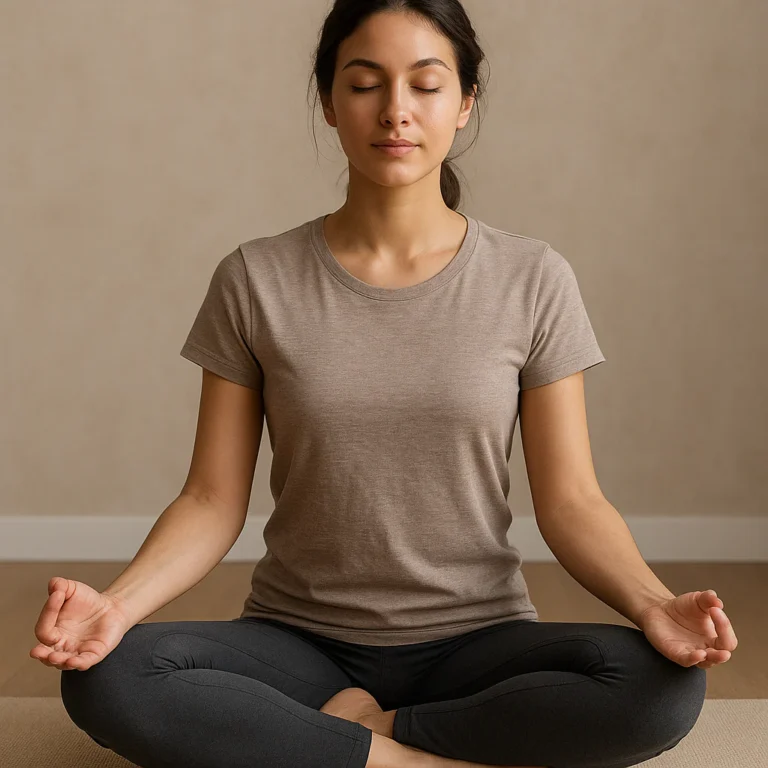
The importance of mindfulness in modern life cannot be overstated: it is the single most effective tool we have to reclaim our attention, regulate our emotions, and physically rewire our brains against the chaos of the 21st century. Without it, we risk becoming reactive passengers in our own lives, swept away by a relentless stream of notifications, deadlines, and digital noise.
Imagine sitting in a crowded subway, surrounded by 50 people, yet feeling utterly isolated because everyone is glued to their screens. Now, imagine one person who closes their eyes, takes three deep breaths, and feels a profound sense of calm amidst the roar. That person isn’t ignoring reality; they are mastering it.
Research from Harvard University reveals that our minds wander nearly 47% of the time, and this mind-wandering is strongly linked to unhappiness. Mindfulness is the antidote, pulling us back to the present moment where life actually happens.
It’s not just about feeling “zen”; it’s about survival. In a world designed to fragment our focus, the ability to be fully present is a superpower that boosts productivity, deepens relationships, and protects our mental health.
Key Takeaways
- Mindfulness is a biological necessity: It physically shrinks the stress center of your brain (amygdala) and thickens the decision-making area (prefrontal cortex).
- It’s not about emptying your mind: The goal is to observe thoughts without judgment, breaking the cycle of anxiety and reactivity.
- Small doses yield massive results: You don’t need hours of meditation; just 3 minutes of focused attention can reset your memory and lower stress.
- Universal application: From reducing burnout in the workplace to improving academic performance in schools, the benefits span every aspect of human experience.
Table of Contents
- ⚡️ Quick Tips and Facts
- 📜 The Ancient Roots of Modern Mindfulness: A Brief History
- 🧠 Why Mindfulness Matters Now More Than Ever in a Distracted World
- 🚀 25 Science-Backed Benefits of Mindfulness for Body and Soul
- 1. Reduced Stress and Anxiety Levels
- 2. Enhanced Emotional Regulation and Resilience
- 3. Improved Focus and Concentration
- 4. Better Sleep Quality and Insomnia Relief
- 5. Lower Blood Pressure and Heart Health
- 6. Boosted Immune System Function
- 7. Decreased Chronic Pain Perception
- 8. Enhanced Self-Awareness and Self-Compassion
- 9. Improved Memory and Cognitive Flexibility
- 10. Reduced Symptoms of Depression
- 1. Better Relationship Satisfaction and Empathy
- 12. Increased Creativity and Problem-Solving Skills
- 13. Weight Management and Healthy Eating Habits
- 14. Reduced Burnout and Emotional Exhaustion
- 15. Enhanced Decision-Making Abilities
- 16. Greater Sense of Purpose and Meaning
- 17. Improved Listening Skills and Communication
- 18. Reduced Impulsivity and Better Self-Control
- 19. Increased Gratitude and Positive Emotions
- 20. Enhanced Neuroplasticity and Brain Structure
- 21. Reduced Inflammation in the Body
- 2. Better Management of ADHD Symptoms
- 23. Increased Patience and Tolerance
- 24. Improved Academic Performance in Students
- 25. Greater Overall Life Satisfaction
- 🧬 How Mindfulness Rewires Your Brain: The Neuroscience of Presence
- 🏫 Mindfulness in Schools: Cultivating Calm in the Classroom
- 💼 Is Mindfulness the Secret Weapon for the Modern Workplace?
- 🧘 Top 17 Mindfulness Exercises and Meditation Techniques for Beginners and Pros
- 1. The Breath Anchor Practice
- 2. Body Scan Meditation
- 3. Mindful Walking
- 4. The 5-4-3-2-1 Grounding Technique
- 5. Loving-Kindness Meditation (Metta)
- 6. Mindful Eating
- 7. The RAIN Technique for Difficult Emotions
- 8. Mindful Listening
- 9. Open Monitoring Meditation
- 10. Mindful Stretching and Yoga
- 1. The STOP Method
- 12. Mindful Journaling
- 13. Gratitude Reflection
- 14. Mindful Observation of Nature
- 15. Single-Tasking Challenges
- 16. Mindful Breathing Breaks
- 17. Guided Visualization
- 📚 The Best Mindfulness Books and Apps to Jumpstart Your Journey
- ❓ Frequently Asked Questions About Mindfulness Practice
- 💬 What Our Readers Think: Real Stories from the Community
- 🔑 Key Insights: The Take-Home Message
- Conclusion
- Recommended Links
- Reference Links
⚡️ Quick Tips and Facts
Before we dive into the deep end of the mindfulness ocean, let’s grab a life raft of instant wisdom. You don’t need a meditation cushion the size of a mountain or a retreat in the Himalayas to start. Here are the nugets of truth we’ve collected from years of curating quotes and observing human behavior:
- It’s Not About Emptying Your Mind: A common myth is that mindfulness means stopping thoughts. Wrong! It’s about noticing them without getting swept away. Think of it as sitting on the riverbank watching the water (your thoughts) flow by, rather than jumping in and drowning.
- The 3-Minute Miracle: You don’t need an hour. Studies show that just 3 minutes of focused attention can reset your memory and reduce false recall. It’s the “quick fix” for a scattered brain.
- Stress is a Choice (Sometimes): While you can’t control external events, you can control your reaction. Mindfulness builds the gap between stimulus and response, giving you the power to choose.
- Neuroplasticity is Real: Your brain isn’t fixed like concrete; it’s more like clay. Regular practice physically changes your brain structure, thickening the prefrontal cortex (decision-making) and shrinking the amygdala (fear center).
- It’s Not Just for “Zen Masters”: From Silicon Valley CEOs to high school students, everyone from the busy parent to the stressed surgeon benefits.
If you’re wondering, “But what exactly is this thing called mindfulness?” we’ve got a dedicated deep dive for you right here: What is Mindfulness?.
📜 The Ancient Roots of Modern Mindfulness: A Brief History

You might think mindfulness is the latest wellness trend, born in a yoga studio in Los Angeles. Not quite. While the apps and hashtags are new, the practice is ancient.
The roots go back over 2,50 years to the teachings of Siddhartha Gautama (the Buddha) in ancient India. Originally, mindfulness (sati) was a core component of Buddhist meditation, designed to lead to enlightenment and the cessation of suffering. It wasn’t about “feling good”; it was about seeing reality clearly.
Fast forward to the 20th century. Enter Jon Kabat-Zinn, a molecular biologist who, in 1979, founded the Stress Reduction Clinic at the University of Massachusetts Medical Center. He stripped away the religious and cultural baggage, creating Mindfulness-Based Stress Reduction (MBSR). He defined it as “paying attention in a particular way: on purpose, in the present moment, and non-judgmentally.”
This secularization was the game-changer that allowed mindfulness to enter hospitals, schools, and corporations. It moved from the monastery to the mainstream.
“If mindfulness were a pill, we should all be taking it.” — Positive Psychology
Today, we see a fascinating blend of ancient wisdom and modern neuroscience. We use fMRI machines to prove what monks have known for centuries: presence heals.
🧠 Why Mindfulness Matters Now More Than Ever in a Distracted World
Let’s be honest: modern life is a sensory assault. We are bombarded by notifications, emails, traffic, and the endless scroll of social media. Our brains, evolved to hunt gazelles and avoid saber-tothed tigers, are now trying to process 40 emails a day.
This creates a psychological mismatch. We are running a 21st-century operating system on a Stone Age brain. The result? Chronic stress, anxiety, and a pervasive sense of being “time-traveling”—worrying about the future or ruminating on the past, missing the only moment that actually exists: the now.
Why does this matter? Because when you are constantly distracted, you lose:
- Connection: You’re physically present with your kids but mentally at the office.
- Clarity: Decision-making becomes reactive rather than intentional.
- Joy: You miss the small pleasures because you’re too busy thinking about the next task.
Mindfulness is the antidote to this attention economy. It’s the act of reclaiming your mind. It’s not about adding another “to-do” to your list; it’s about changing how you do the things already on your list.
As we explore the benefits, you might wonder: “Can a simple breathing exercise really fix my chronic stress?” The science says yes, but the mechanism is deeper than you think.
🚀 25 Science-Backed Benefits of Mindfulness for Body and Soul
We’ve compiled a massive list of benefits, far exceeding the typical “5 benefits” you see elsewhere. These aren’t just feel-good fluff; they are backed by rigorous research.
1. Reduced Stress and Anxiety Levels
Mindfulness lowers cortisol, the primary stress hormone. By observing stress without reacting, you break the cycle of the “fight or flight” response.
- The Science: Undergraduates higher in mindfulness show significantly lower psychological and physiological stress markers.
2. Enhanced Emotional Regulation and Resilience
Instead of exploding when things go wrong, you learn to ride the wave of emotion. You become the observer of your feelings, not the victim.
3. Improved Focus and Concentration
In an age of multitasking, single-tasking is a superpower. Mindfulness trains the brain to sustain attention, reducing mind-wandering.
4. Better Sleep Quality and Insomnia Relief
Racing thoughts are the enemy of sleep. Mindfulness techniques, like body scans, calm the nervous system, signaling to your body that it’s safe to rest.
5. Lower Blood Pressure and Heart Health
Chronic stress tightens blood vessels. Mindfulness promotes relaxation, which can lead to measurable drops in blood pressure over time.
6. Boosted Immune System Function
Stress suppresses the immune system. Studies show that mindfulness practices can increase antibody production and improve immune response, especially in high-stress groups like caregivers.
7. Decreased Chronic Pain Perception
Mindfulness doesn’t make the pain disappear, but it changes your relationship with it. By observing pain without judgment, the suffering component is reduced.
8. Enhanced Self-Awareness and Self-Compassion
You start to notice your inner critic and replace it with a kinder voice. This shift is crucial for mental health.
9. Improved Memory and Cognitive Flexibility
A mere 3-minute mindfulness session has been shown to improve working memory and reduce false recall in eyewitness testimony.
10. Reduced Symptoms of Depression
Mindfulness-Based Cognitive Therapy (MBCT) is as effective as antidepressants for preventing relapse in people with recurrent depression.
1. Better Relationship Satisfaction and Empathy
When you listen without planning your response, you truly hear your partner. This deepens connection and reduces conflict.
12. Increased Creativity and Problem-Solving Skills
A cluttered mind has no room for new ideas. Mindfulness clears the mental space, allowing for “out of the box” thinking.
13. Weight Management and Healthy Eating Habits
Mindful eating helps you recognize true hunger cues and enjoy food more, often leading to natural weight loss without dieting.
14. Reduced Burnout and Emotional Exhaustion
For teachers, nurses, and corporate workers, mindfulness is a shield against the emotional drain of caring for others.
15. Enhanced Decision-Making Abilities
By pausing before acting, you avoid impulsive choices driven by fear or anger. You make decisions aligned with your values.
16. Greater Sense of Purpose and Meaning
Mindfulness helps you connect with what truly matters, moving you from a life of “doing” to a life of “being.”
17. Improved Listening Skills and Communication
Active listening is a form of mindfulness. It transforms conversations from transactional exchanges to meaningful connections.
18. Reduced Impulsivity and Better Self-Control
The gap between impulse and action widens, giving you the power to choose your behavior rather than reacting automatically.
19. Increased Gratitude and Positive Emotions
Practicing mindfulness naturally shifts your focus to the positive aspects of life, boosting overall happiness.
20. Enhanced Neuroplasticity and Brain Structure
Regular practice increases gray matter density in areas associated with learning, memory, and emotional regulation.
21. Reduced Inflammation in the Body
Chronic inflammation is linked to many diseases. Mindfulness has been shown to lower inflammatory markers like C-reactive protein.
2. Better Management of ADHD Symptoms
Mindfulness training helps individuals with ADHD improve attention span and reduce impulsivity, offering a non-pharmaceutical support tool.
23. Increased Patience and Tolerance
When you are present, you stop rushing. You learn to appreciate the process, not just the outcome.
24. Improved Academic Performance in Students
Schools implementing mindfulness programs report better test scores, fewer behavioral issues, and improved social skills.
25. Greater Overall Life Satisfaction
Ultimately, mindfulness leads to a life that feels richer, deeper, and more fulfilling.
Did you know? A study found that mindfulness increases telomerase activity, an enzyme that controls cellular aging. In other words, being present might literally make younger at the cellular level!
🧬 How Mindfulness Rewires Your Brain: The Neuroscience of Presence
You might be thinking, “Okay, it feels good, but does it actually change my brain?” The answer is a resounding yes.
For decades, scientists believed the adult brain was fixed. We now know about neuroplasticity—the brain’s ability to reorganize itself by forming new neural connections. Mindfulness is like a gym workout for your brain.
The Structural Changes
- The Prefrontal Cortex: This is the CEO of your brain, responsible for decision-making, focus, and emotional regulation. Mindfulness thickens this area, making you sharper and calmer.
- The Amygdala: This is your alarm bell, the seat of fear and stress. Regular practice actually shrinks the amygdala, meaning you react less intensely to threats.
- The Hippocampus: Crucial for memory and learning. Mindfulness increases gray matter density here, boosting your memory.
- The Insular Cortex: This region helps you understand your own body and emotions (interoception). Mindfulness enhances activity here, improving self-awareness.
The Chemical Shift
Mindfulness increases the production of Brain-Derived Neurotrophic Factor (BDNF), a protein that acts like fertilizer for your neurons, encouraging them to grow and survive.
“With every passing day, we are literally training our minds and changing our brains, so we can flourish individually and collectively.” — Dr. Shauna Shapiro
This isn’t magic; it’s biology. You are physically remodeling your brain to be more resilient, focused, and compassionate.
🏫 Mindfulness in Schools: Cultivating Calm in the Classroom
Imagine a classroom where students aren’t bouncing off the walls, but are focused, empathetic, and ready to learn. This isn’t a utopia; it’s happening in schools worldwide.
Why Schools?
Children today face unprecedented levels of stress, anxiety, and distraction. The pressure to perform academically, combined with the digital noise, is taking a toll. Mindfulness offers a tool to help them navigate these challenges.
The Benefits for Students
- Improved Attention: Students can focus longer on tasks.
- Better Emotional Regulation: Fewer tantrums and outbursts.
- Enhanced Social Skills: Increased empathy and reduced bullying.
- Academic Gains: Better test scores and problem-solving abilities.
Successful Programs
- Inner Explorer: Uses guided audio practices to help students start the day with calm.
- Learning to Breathe: A curriculum designed specifically for adolescents.
- Mindful Schools: Trains educators to bring mindfulness into the classroom.
- .b (Dot-be): A program developed by the Mindfulness in Schools Project.
Research shows that childhood self-control, fostered by mindfulness, predicts future health, income, and even reduced criminal behavior. It’s an investment in their entire future.
💼 Is Mindfulness the Secret Weapon for the Modern Workplace?
The corporate world is waking up. From Google to Nike, companies are realizing that a stressed workforce is an unproductive one.
The Economic Case
In the UK alone, poor mental health costs the economy billions in sick days. Mindfulness is a cost-effective intervention to reduce burnout and turnover.
How It Helps Employees
- Productivity: Focus is the new currency. Mindful employees get more done in less time.
- Creativity: A calm mind generates better ideas.
- Leadership: Mindful leaders are more empathetic, make better decisions, and inspire loyalty.
- Conflict Resolution: It helps teams navigate disagreements with less drama.
The Caveat
Mindfulness is not a magic wand. It cannot fix toxic management, excessive workloads, or poor business practices. It works best when paired with a supportive organizational culture. As one study noted, mindfulness helps you cope with the stress, but it doesn’t eliminate the stressor itself.
Real Talk: If your boss is a nightmare, no amount of breathing will fix that. But it will help you decide whether to stay or leave with clarity.
🧘 Top 17 Mindfulness Exercises and Meditation Techniques for Beginners and Pros
Ready to put theory into practice? Here are 17 powerful techniques, ranging from 30-second fixes to deep meditations.
1. The Breath Anchor Practice
What it is: Focus entirely on the sensation of your breath entering and leaving your body.
How to do it:
- Sit comfortably.
- Close your eyes or soften your gaze.
- Notice the cool air entering your nostrils and the warm air leaving.
- When your mind wanders (it will), gently bring it back to the breath.
Why it works: It trains the “attention muscle.”
2. Body Scan Meditation
What it is: A systematic sweep of attention through the body.
How to do it:
- Lie down or sit.
- Start at your toes, noticing any sensations (tingling, warmth, tension).
- Slowly move up to your ankles, calves, knees, and so on, all the way to the crown of your head.
- Don’t try to change anything; just observe.
Why it works: It connects you to your physical self and releases tension.
3. Mindful Walking
What it is: Turning a daily walk into a meditation.
How to do it:
- Walk slowly.
- Feel the soles of your feet touching the ground.
- Notice the rhythm of your steps, the wind on your skin, the sounds around you.
- If you get lost in thought, return to the sensation of walking.
Why it works: It brings mindfulness into movement, perfect for those who can’t sit still.
4. The 5-4-3-2-1 Grounding Technique
What it is: A quick way to snap out of anxiety or panic.
How to do it:
- Acknowledge 5 things you see.
- Acknowledge 4 things you can touch.
- Acknowledge 3 things you hear.
- Acknowledge 2 things you can smell.
- Acknowledge 1 thing you can taste.
Why it works: It forces your brain to focus on the present sensory input, breaking the cycle of worry.
5. Loving-Kindness Meditation (Metta)
What it is: Cultivating compassion for yourself and others.
How to do it:
- Silently repeat phrases like “May I be happy, may I be healthy, may I be safe.”
- Extend these wishes to a loved one, then a neutral person, then a difficult person, and finally all beings.
Why it works: It rewires the brain for empathy and reduces anger.
6. Mindful Eating
What it is: Eating with full attention.
How to do it:
- Take a bite of food.
- Notice the color, texture, and smell.
- Chew slowly, savoring the flavor.
- Notice when you feel full.
Why it works: It improves digestion and prevents overeating.
7. The RAIN Technique for Difficult Emotions
What it is: A tool for handling tough feelings.
How to do it:
- Recognize the emotion.
- Allow it to be there (don’t fight it).
- Investigate with curiosity (where do I feel it in my body?).
- Nurture yourself with compassion.
Why it works: It transforms suffering into understanding.
8. Mindful Listening
What it is: Listening without planning your response.
How to do it:
- Focus entirely on the speaker.
- Notice their tone, pace, and body language.
- Silence your inner monologue.
Why it works: It deepens relationships and reduces misunderstandings.
9. Open Monitoring Meditation
What it is: Observing everything that arises without attachment.
How to do it:
- Sit and let your awareness expand to include all sounds, sensations, and thoughts.
- Don’t focus one thing; just let everything come and go.
Why it works: It increases cognitive flexibility and reduces reactivity.
10. Mindful Stretching and Yoga
What it is: Moving with awareness.
How to do it:
- Perform simple stretches.
- Focus on the sensation of the muscles lengthening.
- Breathe into the stretch.
Why it works: It combines physical movement with mental presence.
1. The STOP Method
What it is: A quick reset button for stressful moments.
How to do it:
- Stop what you are doing.
- Take a breath.
- Observe your thoughts, feelings, and body.
- Proceed with intention.
Why it works: It creates a pause between stimulus and response.
12. Mindful Journaling
What it is: Writing with full attention.
How to do it:
- Set a timer for 5 minutes.
- Write whatever comes to mind without editing or judging.
- Notice the flow of thoughts.
Why it works: It clarifies thinking and releases emotional baggage.
13. Gratitude Reflection
What it is: Focusing on what you have.
How to do it:
- Think of three things you are grateful for.
- Spend a moment really feeling the gratitude.
Why it works: It shifts your brain from scarcity to abundance.
14. Mindful Observation of Nature
What it is: Connecting with the natural world.
How to do it:
- Find a tree, a flower, or a cloud.
- Observe its details, colors, and movements.
- Feel a sense of connection to it.
Why it works: It reduces stress and fosters a sense of wonder.
15. Single-Tasking Challenges
What it is: Doing one thing at a time.
How to do it:
- Pick a task (e.g., washing dishes).
- Do only that task. No phone, no TV.
- Focus on the sensations of the task.
Why it works: It breaks the habit of multitasking and improves quality.
16. Mindful Breathing Breaks
What it is: Short pauses throughout the day.
How to do it:
- Set an alarm to go off every hour.
- When it rings, take three deep, conscious breaths.
Why it works: It prevents stress from accumulating.
17. Guided Visualization
What it is: Creating a mental sanctuary.
How to do it:
- Close your eyes and imagine a peaceful place.
- Engage all your senses (sight, sound, smell, touch).
- Stay there for a few minutes.
Why it works: It activates the relaxation response.
📚 The Best Mindfulness Books and Apps to Jumpstart Your Journey
You don’t have to go it alone. There are incredible resources to guide you.
Top Books
- “Wherever You Go, There You Are” by Jon Kabat-Zinn: The classic introduction to mindfulness.
- “The Miracle of Mindfulness” by Thich Nhat Hanh: A gentle, poetic guide to everyday mindfulness.
- “Radical Acceptance” by Tara Brach: Focuses on self-compassion and overcoming shame.
- “The Power of Now” by Eckhart Tolle: A spiritual take on living in the present moment.
Top Apps
- Headspace: Great for beginners with fun animations and structured courses.
- Calm: Known for its sleep stories and relaxing soundscapes.
- Insight Timer: Offers thousands of free guided meditations from various teachers.
- Ten Percent Happier: Based on the book by Dan Harris, focusing on skeptics.
👉 CHECK PRICE on:
- Headspace: Amazon Search | Headspace Official
- Calm: Amazon Search | Calm Official
- Insight Timer: Amazon Search | Insight Timer Official
❓ Frequently Asked Questions About Mindfulness Practice
How can I start a mindfulness practice in a busy lifestyle?
Start small. You don’t need 30 minutes. Try the STOP method or a 3-minute breathing exercise while waiting for your coffee. Consistency is more important than duration. Even 5 minutes a day can make a difference.
Why is mindfulness important for work-life balance?
Mindfulness helps you create boundaries. It allows you to be fully present at work and fully present at home, preventing the “spillover” of stress from one area to the other. It helps you recognize when you need a break.
What are the benefits of mindfulness for mental health today?
It reduces symptoms of anxiety, depression, and PTSD. It improves emotional regulation, self-esteem, and resilience. It provides tools to manage stress and negative thought patterns.
How does mindfulness reduce stress in modern life?
By activating the parasympathetic nervous system (the “rest and digest” mode) and reducing the production of stress hormones like cortisol. It changes your relationship with stressors, making them feel less overwhelming.
Why is mindfulness considered essential for work-life balance today?
In a hyper-connected world, we are always “on.” Mindfulness helps us disconnect, recharge, and prioritize what truly matters, ensuring we don’t burn out.
Can practicing mindfulness reduce stress and anxiety in modern society?
Yes. Numerous studies confirm that mindfulness-based interventions are effective in reducing stress and anxiety levels across diverse populations.
What are the best mindfulness techniques for busy professionals?
The STOP method, mindful breathing breaks, and single-tasking are ideal for professionals. They can be done anywhere, anytime, without special equipment.
How does mindfulness improve mental health in today’s fast-paced world?
It slows down the mental chatter, allowing for clearer thinking and better emotional regulation. It helps you respond to challenges with wisdom rather than reacting impulsively.
What role does mindfulness play in promoting emotional well-being and self-awareness in everyday life?
It fosters a deeper connection with your inner world, helping you understand your emotions, triggers, and values. This self-awareness leads to better choices and a more fulfilling life.
Can mindfulness practices help reduce stress and anxiety in the workplace?
Absolutely. It improves focus, reduces burnout, and enhances interpersonal relationships, creating a healthier work environment.
What are the benefits of incorporating mindfulness into daily routines for increased productivity?
It improves concentration, reduces errors, and enhances creativity. By reducing mental clutter, you can work more efficiently and effectively.
How can mindfulness improve mental health in today’s fast-paced world?
It provides a sanctuary of calm amidst the chaos, helping you maintain balance and perspective. It builds resilience against the pressures of modern life.
💬 What Our Readers Think: Real Stories from the Community
We asked our community at Mindful Quotes™ to share their experiences. Here’s what they had to say:
“I used to think mindfulness was just sitting and staring at a wall. Then I tried the 5-4-3-2-1 technique during a panic attack at work. It worked like magic. I felt grounded instantly.” — Sarah J., Marketing Manager
“As a teacher, my classroom was chaotic. After implementing mindful breathing at the start of each day, the kids are calmer, and I’m less stressed. It’s changed my entire career.” — David L., High School Teacher
“I was skeptical. I thought it was woo-woo nonsense. But after 30 days of Headspace, I noticed I wasn’t snapping at my kids anymore. I actually enjoy dinner time now.” — Michael R., Software Engineer
These stories remind us that mindfulness isn’t one-size-fits-all. It’s a personal journey, and the results are often surprising.
🔑 Key Insights: The Take-Home Message
So, what have we learned? Mindfulness is not a quick fix, but a lifestyle shift. It’s the art of coming home to yourself, moment by moment.
- It’s Science, Not Magic: The benefits are backed by decades of research.
- It’s Accessible: You don’t need money, special gear, or hours of time.
- It’s Transformative: It changes your brain, your body, and your relationships.
- It’s for Everyone: From CEOs to students, from skeptics to believers.
The question isn’t “Can I afford to practice mindfulness?” It’s “Can I afford not to?”
As we wrap up, remember that the journey begins with a single breath. You don’t have to be perfect; you just have to be present.
Conclusion

We’ve traveled from the ancient monasteries of India to the high-tech offices of Silicon Valley, exploring the profound impact of mindfulness on our modern lives. The evidence is clear: mindfulness is essential. It’s the antidote to the chaos, the cure for the scattered mind, and the path to a more meaningful existence.
Whether you’re looking to reduce stress, improve focus, or simply enjoy a cup of coffee without checking your phone, mindfulness offers a practical, accessible solution. It’s not about adding more to your plate; it’s about savoring what’s already there.
Our Recommendation: Start today. Pick one technique from our list of 17. Try the STOP method right now. Take a breath. Notice where you are. That’s it. That’s the beginning.
If you’re ready to deepen your practice, explore our collection of Inspirational Quotes to keep you motivated, or dive into our Inner Peace category for more guidance.
Remember, the best time to start was yesterday. The second best time is now.
Recommended Links
Books to Get You Started:
- “Wherever You Go, There You Are” by Jon Kabat-Zinn: Amazon | Publisher
- “The Miracle of Mindfulness” by Thich Nhat Hanh: Amazon | Publisher
- “Radical Acceptance” by Tara Brach: Amazon | Publisher
Apps for Daily Practice:
- Headspace: Amazon | Headspace Official
- Calm: Amazon | Calm Official
- Insight Timer: Amazon | Insight Timer Official
Therapy Resources:
- BetterHelp: BetterHelp Official
Reference Links
- HelpGuide: Benefits of Mindfulness
- Positive Psychology: Importance of Mindfulness in Modern Life
- PCOM: What is Mindfulness?
- Harvard Health Publishing: Positive Psychology: Harnessing the Power of Happiness, Personal Strength, and Mindfulness
- The BMJ: Teaching mindfulness in schools
- Mindful Schools: Mindful Schools Research
- Jon Kabat-Zinn: Center for Mindfulness