Support our educational content for free when you purchase through links on our site. Learn more
🧠 Can Mindfulness Help with Stress and Anxiety Relief? (2026)


Yes, mindfulness is a scientifically proven, powerful tool that actively rewires your brain to reduce stress and anxiety. If you’ve ever wondered, “Can mindfulness help with stress and anxiety relief?”, the answer isn’t just a hopeful “maybe”—it’s a resounding “yes,” backed by decades of clinical research and countless personal transformations.
Imagine your mind as a browser with 50 tabs open, each one playing a different song of worry, regret, or “what if.” Now, imagine having the power to close 49 of them and focus on just one. That is the essence of mindfulness. It’s not about emptying your mind or achieving a state of perpetual zen; it’s about changing your relationship with the chaos.
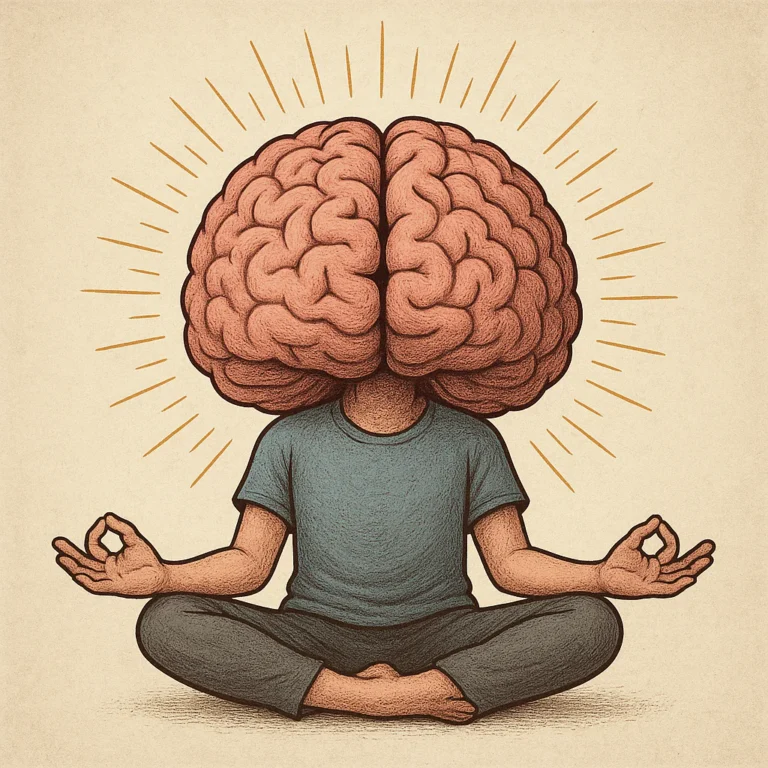
Did you know that a landmark study by Harvard researchers found that just eight weeks of mindfulness practice could actually shrink the amygdala, the brain’s “fight or flight” center? That’s not just feeling calmer; that’s a physical change in your brain’s architecture.
At Mindful Quotes™, we’ve seen skeptics turn into believers when they realize that anxiety thrives on autopilot, and mindfulness is the ultimate manual override. It’s time to stop fighting your thoughts and start observing them.
Key Takeaways
- Mindfulness physically alters the brain, reducing the size of the amygdala and strengthening the prefrontal cortex for better emotional regulation.
- It works by creating distance between you and your thoughts, allowing you to observe anxiety without being consumed by it.
- Consistency is key, with even 10 minutes a day showing measurable benefits for stress reduction and mental clarity.
- It is not a magic cure-all but a powerful skill that, when combined with professional therapy, offers profound relief for chronic anxiety.
Table of Contents
- ⚡️ Quick Tips and Facts
- 📜 From Ancient Monasteries to Modern Therapy: The History of Mindfulness
- 🧠 What Exactly Is Mindfulness? Defining the Science Behind the Buzz
- 📉 The Science of Stress: How Mindfulness Rewires Your Brain for Anxiety Relief
- 🛠️ 7 Powerful Mindfulness Techniques to Instantly Calm Your Nerves
- 1. The 5-4-3-2-1 Grounding Method
- 2. Box Breathing for Panic Attacks
- 3. Body Scan Meditation for Tension Release
- 4. Mindful Walking to Break the Rumination Cycle
- 5. The “Leaves on a Stream” Visualization
- 6. Mindful Eating to Reset Your Nervous System
- 7. Loving-Kindness Meditation for Self-Compassion
- 🧘 ♀️ Mindfulness vs. Traditional Meditation: Which One Actually Works for Anxiety?
- 📱 Top Apps and Digital Tools to Guide Your Mindfulness Journey
- 🚫 Is Mindfulness Helpful for Everyone? Understanding Limitations and Contraindications
- 🧩 Common Pitfalls: Why You Might Feel Worse Before You Feel Better
- 🌱 Building a Sustainable Practice: How to Make Mindfulness Stick Without Burning Out
- 🏥 Mindfulness in Clinical Settings: MBSR, MBCT, and Professional Therapy
- 🤔 Real Stories: How Mindfulness Transformed Lives with Chronic Stress
- 💡 Quick Tips and Facts for Daily Anxiety Management
- 🔗 Recommended Links
- ❓ FAQ: Your Burning Questions About Mindfulness and Anxiety Answered
- 📚 Reference Links
⚡️ Quick Tips and Facts
Ever feel like your brain is a runaway train, hurtling through anxieties
about tomorrow or regrets about yesterday? You’re not alone! At Mindful Quotes™, we’ve seen countless individuals grappling with the relentless pace of modern life, and we’re here to tell you a secret weapon isn’t a
secret at all: it’s mindfulness. This ancient practice, now backed by cutting-edge science, is your ticket to a calmer, more focused existence.
Here are some lightning-fast facts to get your mindful journey started:
Mindfulness isn’t about emptying your mind 🧘 ♀️. It’s about paying attention to the present moment, observing your thoughts and feelings without judgment, and recognizing them as “mental events” that don’t have to
control you.
-
Just 10 minutes a day can make a difference! While 20 minutes twice daily is often recommended for maximum benefit, even short, consistent bursts of mindfulness can help
you build resilience against stress. -
It literally changes your brain. Research shows mindfulness meditation can alter gray matter in areas linked to memory, self-awareness, and emotional regulation.
-
Mindfulness can significantly ease stress, anxiety, and even depression. Studies indicate it helps you catch the early signs of these feelings and deal with them more effectively.
-
It
‘s not about constant positivity. Mindfulness helps you notice all experiences—the easy, the difficult, the painful, and the joyful—with a sense of awareness and non-judgment.
Mindfulness-Based Stress Reduction (MBSR) is a widely recognized program developed by Jon Kabat-Zinn, specifically designed to help with stress, chronic pain, and other ailments.
Ready to discover how this powerful practice can transform your daily grind into a more peaceful path? Let’s dive in!
📜 From Ancient Monasteries to Modern Therapy: The History of Mindfulness

The concept of mindfulness might feel like a trendy wellness buzzword today, but its roots stretch back thousands of years, deeply embedded in ancient Eastern
contemplative traditions, particularly Buddhism. For centuries, monks and spiritual seekers practiced forms of meditation designed to cultivate present-moment awareness, compassion, and insight. These practices weren’t just about relaxation; they were a path to profound understanding and liberation
from suffering.
Fast forward to the 20th century, and the Western world began to take notice. The real turning point for mindfulness in a secular, clinical context came in the late 1970s with Dr
. Jon Kabat-Zinn. A molecular biologist and meditation practitioner, Dr. Kabat-Zinn recognized the immense potential of these ancient techniques to alleviate modern-day suffering. He famously developed the Mindfulness-Based Stress Reduction (MBSR) program in 1979 at the University of Massachusetts Medical School. His groundbreaking work stripped away the religious connotations, presenting mindfulness as a practical, evidence-based approach to managing
stress, chronic pain, and illness.
Around the same time, another pioneer, Dr. Herbert Benson of the Benson-Henry Institute, was researching the “relaxation response,” a physiological state of deep rest that is the opposite of the
fight-or-flight response. His work provided early scientific validation for how meditation could reduce blood pressure, heart rate, and brain activity, laying a crucial foundation for understanding mindfulness’s physical benefits.
More
recently, neuroscientific research, notably by Dr. Sara Lazar at Harvard Medical School, has provided compelling evidence of mindfulness’s impact on the brain itself. Dr. Lazar’s studies have documented actual changes in the brain’s gray
matter in regions associated with memory, self-awareness, and emotional regulation, offering a tangible explanation for why mindfulness works.
From quiet monasteries to bustling university labs, mindfulness has journeyed far, proving its enduring
relevance and powerful capacity to help us navigate the complexities of contemporary life. It’s a testament to its universal applicability that a practice once reserved for spiritual elites is now recommended by institutions like the National Institute for Health and Care Excellence (NICE) for treating
less severe depression and supporting mental wellbeing in the workplace.
🧠 What Exactly
Is Mindfulness? Defining the Science Behind the Buzz
So, everyone’s talking about mindfulness, but what is it, really? Is it just sitting cross-legged, chanting “om,” and trying to clear your mind? Not
quite! While those can be elements of meditation, mindfulness itself is far more accessible and deeply practical.
At its core, mindfulness is about paying attention to the present moment, on purpose, and without judgment. It’s about truly being here now, whether you’re sipping your morning coffee, caught in traffic, or having a challenging conversation. It involves noticing your internal experiences—your thoughts, emotions, and bodily sensations—as
well as your external environment—the sights, sounds, and smells around you.
One of the most profound insights mindfulness offers is the ability to “stand back” from your thoughts. We often get caught in a whirlwind of rumination, believing every
thought that pops into our heads. Mindfulness teaches us to recognize thoughts for what they are: simply “mental events” that come and go, not necessarily facts that must dictate our feelings or actions. As
the NHS puts it, “Gradually, we can train ourselves to notice when our thoughts are taking over and realise that thoughts are simply ‘mental events’ that do not have to control us.”
Think of your
mind like a sky. Thoughts are like clouds drifting by. You don’t have to chase every cloud, nor do you have to make them disappear. You simply observe them, acknowledge their presence, and let them pass. This non-judgmental
awareness is key. It’s not about forcing yourself to be positive or happy; it’s about accepting what is in the moment, whether it’s pleasant or unpleasant. As
we often say at Mindful Quotes™, “Acceptance is simply acknowledging what is here in the present. And choosing to allow it to be there. And choosing to be awake to that.”
This practice of
present-moment awareness, or being “awake to the present moment,” is a skill you can cultivate. It’s like a mental fitness routine for your brain, helping it stay healthy and agile. It’s also distinct from meditation in that meditation is a specific activity you do, while mindfulness is a state of awareness you can bring to any activity, integrating it into your daily life.
Want to explore this concept further? Check out our detailed article on what is mindfulness for a deeper dive into its principles and benefits.
📉 The Science of Stress: How Mindfulness Rewires Your Brain for Anxiety Relief
We’ve all been there: that knot in your stomach, the racing heart, the endless loop of “what ifs” playing in your head. That’s stress and anxiety in action, and they’re not just “all
in your head”—they have tangible, measurable effects on your brain and body. When we’re stressed, our sympathetic nervous system kicks into overdrive, triggering the infamous “fight-or-flight” response. This ancient survival mechanism, while useful
for escaping saber-toothed tigers, isn’t so helpful when you’re just trying to meet a deadline or navigate a family gathering.
Chronic stress can lead to a cascade of negative effects: elevated cortisol levels, increased inflammation, and even
structural changes in the brain. Specifically, areas like the amygdala (our brain’s alarm system) can become overactive, while the prefrontal cortex (responsible for rational thought and emotional regulation) can become less effective. This imbalance makes
it harder to calm down, think clearly, and manage our emotional responses.
But here’s where mindfulness swoops in like a superhero for your brain! It doesn’t just offer temporary relief; it actively rewires your brain for anxiety
relief. How?
- Triggering the Relaxation Response: Pioneered by Dr. Herbert Benson, the “relaxation response” is the physiological opposite of fight-or-flight. Mindfulness practices,
particularly those focused on breath, activate your parasympathetic nervous system, leading to a measurable decrease in blood pressure, heart rate, and overall brain activity. This is your body’s natural “calm down” switch. - Gray
Matter Makeover: Groundbreaking research by Dr. Sara Lazar at Harvard Medical School has shown that regular mindfulness meditation can actually change the physical structure of your brain. It increases gray matter density in areas crucial for:
- Memory and Learning: Hippocampus
- Self-Awareness and Compassion: Temporo-parietal junction (TPJ)
- Emotional Regulation: Prefrontal cortex
Conversely
, it can decrease the size of the amygdala, effectively toning down that internal alarm bell. This rewiring means you’re building a more resilient, less reactive brain.
- Distinguishing Thoughts from Reality: One of the most powerful
ways mindfulness combats anxiety is by helping you create a healthy distance from your thoughts. Dr. Elizabeth Hoge, from Massachusetts General Hospital and Harvard Medical School, explains that anxious individuals often struggle to differentiate between productive problem-solving thoughts and unproductive,
nagging worries. Mindfulness trains you to recognize intrusive thoughts as separate from your “core self.” As Dr. Hoge puts it, “You might think ‘I’m late, I might lose my job if I don
‘t get there on time, and it will be a disaster!’ Mindfulness teaches you to recognize, ‘Oh, there’s that thought again. I’ve been here before. But it’s just that—a thought, and
not a part of my core self.'” This fundamental shift in perspective is incredibly liberating. - Improving Emotional Resilience: Think of it like building a muscle. Just as a weightlifter builds strength
to handle heavy weights, mindfulness helps you build emotional resilience to handle difficult feelings. It’s not about suppressing emotions or forcing them away; it’s about getting “better at feeling” by observing them without
judgment, allowing them to arise and pass naturally. This process, as the first YouTube video embedded above beautifully illustrates, helps to rewire the brain by improving connectivity related to emotion processing, leading to more long
-term benefits than just short-term relief. [cite: 4, #featured-video]
By consistently practicing mindfulness, you’re not just coping with stress and anxiety; you’re actively transforming your brain’s capacity
to handle life’s challenges, fostering a deeper sense of peace and understanding.
🛠️ 7
Powerful Mindfulness Techniques to Instantly Calm Your Nerves
Feeling overwhelmed? Mind racing? Sometimes, you just need a quick, effective way to hit the reset button. While a consistent daily practice is key for long-term benefits, these seven
powerful mindfulness techniques can offer immediate relief when anxiety strikes. We’ve tried them all, and trust us, they work!
- The 5-4-3-2-1 Grounding Method
This technique is a fantastic way to pull yourself out of a spiral of anxious thoughts and back into the present moment by engaging your senses. It’s simple
, discreet, and incredibly effective.
How to do it:
- 5️⃣ Things you can SEE: Look around you and name five things you can visually perceive. Notice details like colors, shapes, or textures. (e.g., “I see the blue sky, the green leaves on the tree, the pattern on my mug, my keyboard, and the light reflecting off the window.”)
- 4️⃣ Things you can FEEL: Bring your attention to four
things you can physically feel. This could be the chair beneath you, your clothes against your skin, the temperature of the air, or the texture of an object you touch. (e.g., “I feel the cool air on my face, the soft fabric of my shirt, my feet firmly on the ground, and the smooth surface of my desk.”) - 3️⃣ Things you can HEAR: Tune into three distinct sounds around you. Don’t judge them, just notice
them. (e.g., “I hear the distant hum of traffic, the gentle whir of my computer fan, and the faint chirping of birds outside.”) - 2️⃣ Things you can SMELL: Identify two different
smells. They can be subtle or strong. (e.g., “I smell the faint scent of my coffee, and the fresh air coming through the window.”) If you can’t identify two, notice one, or even the absence
of smell. - 1️⃣ Thing you can TASTE: Focus on one taste in your mouth. This could be the lingering taste of your last meal or drink, or simply the taste of your saliva. (e.g., “I taste the mint from my toothpaste.”)
✅ Benefit: Excellent for acute anxiety, panic attacks, or feeling disconnected. It quickly anchors you to your physical surroundings.
❌ Drawback: Requires a moment of quiet focus,
which might be challenging in very chaotic environments.
2. Box Breathing for Panic Attacks
When your breath becomes shallow and rapid during anxiety or a panic attack,
box breathing (also known as square breathing) can help regulate your nervous system and bring a sense of calm. It’s used by Navy SEALs for stress management, so you know it’s powerful!
How to do it:
- Exhale completely to a count of four. Get all the air out of your lungs.
- Hold your breath for a count of four.
- Inhale slowly through your nose
to a count of four, feeling your belly expand. - Hold your breath for a count of four.
- Repeat the cycle.
Visualize drawing a square with your breath: one side for each step
. Aim for 4-5 cycles, or until you feel your breathing normalize.
✅ Benefit: Immediately calms the nervous system, reduces heart rate, and helps regain control during moments of intense stress or panic.
❌ Drawback:
Can feel challenging if you’re very short of breath initially; start with shorter counts if needed.
3. Body Scan Meditation for Tension Release
Our bodies often hold tension we’re not even aware of until it manifests as headaches, shoulder pain, or a tight jaw. A body scan helps you tune into these sensations and release them.
How to do it:
- **
Lie down or sit comfortably.** Close your eyes if safe and comfortable. - Bring your attention to your breath for a few moments, noticing the gentle rise and fall of your abdomen.
- Start at your toes
. Bring your awareness to your toes, noticing any sensations—warmth, coolness, tingling, pressure. Don’t try to change anything, just observe. - Slowly move your attention up through your feet, ankles, calves
, knees, thighs, hips, and so on, section by section. - As you focus on each part, simply notice what’s there. If you find tension, gently acknowledge it. On an exhale, imagine
that tension softening or melting away. - Continue this process through your abdomen, chest, back, hands, arms, shoulders, neck, face, and finally the top of your head.
- When you
‘ve scanned your entire body, rest in a state of overall awareness for a few breaths.
✅ Benefit: Excellent for identifying and releasing physical tension, improving body awareness, and promoting deep relaxation.
❌ Drawback: Can
sometimes bring uncomfortable sensations to the forefront, which can be challenging for beginners.
4. Mindful Walking to Break the Rumination Cycle
When your mind is stuck
on a loop of worry, sometimes the best thing to do is move your body. Mindful walking isn’t about getting from point A to point B; it’s about experiencing the journey itself.
How to do it:
- Find a quiet place where you can walk undisturbed, even if it’s just a few steps in your living room or a short stroll outside.
- Pay attention to the sensation of your feet touching
the ground. Notice the heel strike, the roll through the arch, the push-off from your toes. - Feel the movement of your legs and the swing of your arms.
- Notice your
breath as you walk. - Expand your awareness to your surroundings: the sounds you hear, the sights you see, the smells in the air. Don’t get caught up in labeling or judging; just observe.
6
. If your mind wanders (and it will!), gently guide it back to the sensations of walking or your breath.
✅ Benefit: Breaks the cycle of overthinking, provides gentle exercise, and connects you with your environment.
The NHS even suggests gentle yoga or walking if your mind is over-busy.
❌ Drawback: May not be suitable for those with mobility issues or in unsafe environments.
<a id=”
5-the-leaves-on-a-stream-visualization”>5. The “Leaves on a Stream” Visualization
This technique is fantastic for observing difficult thoughts and feelings without getting entangled in them. It helps you practice non-attachment
to your mental chatter.
How to do it:
- Sit comfortably and close your eyes, or soften your gaze.
- Imagine yourself sitting beside a gently flowing stream.
- **
Now, imagine leaves floating down the stream.** Each time a thought, feeling, or sensation arises in your mind, gently place it on a leaf. - Watch the leaf float down the stream and out of sight. Don’t
try to push the leaf away or hold onto it; simply observe it as it passes. - If no thoughts arise, just watch the empty stream. If a thought comes that says, “I’m not doing this right
,” place that thought on a leaf too! - Continue for several minutes, allowing your thoughts to come and go without judgment.
✅ Benefit: Excellent for detaching from overwhelming thoughts, practicing non-judgment, and
realizing that thoughts are temporary.
❌ Drawback: Can be challenging for those who struggle with visualization or have very persistent, intrusive thoughts.
<a id=”6-mindful-eating-to-reset-your-nerv
ous-system”>6. Mindful Eating to Reset Your Nervous System
How often do we eat on autopilot, scrolling through our phones or rushing through a meal? Mindful eating transforms a simple act into a powerful grounding practice, engaging
all your senses and resetting your nervous system.
How to do it:
- Choose a small piece of food – a raisin, a piece of chocolate, a berry.
- Look at it: Notice
its color, shape, texture, and any reflections. - Smell it: Bring it to your nose and inhale deeply, noticing any aromas.
- Feel it: Roll it between your fingers. Is
it smooth, rough, soft, firm? - Place it in your mouth (but don’t chew yet!): Notice the sensation on your tongue.
- Slowly begin to chew: Pay
attention to the taste unfolding, the texture changing, the sounds of chewing. - Notice the impulse to swallow: When you do, feel the food moving down your throat.
- After swallowing, notice any
lingering tastes or sensations.
✅ Benefit: Deeply grounding, enhances appreciation for food, helps identify hunger/fullness cues, and can reduce stress-related eating. The NHS recommends focusing on the taste of food as a way to notice
the everyday.
❌ Drawback: Can feel awkward or impractical in social eating situations.
- Loving-Kindness Meditation for Self-Compassion
Anxiety often comes with a harsh inner critic. Loving-kindness (Metta) meditation is a beautiful practice for cultivating compassion, starting with yourself and extending outwards.
**
How to do it:**
- Sit comfortably and close your eyes.
- Bring to mind a feeling of warmth and kindness. If it helps, think of someone who loves you unconditionally, or a pet
. - Direct loving-kindness towards yourself. Silently repeat phrases like:
-
“May I be safe.”
-
“May I be happy.”
-
“May I be healthy.”
-
“May I live with ease.”
- Feel the intention behind these words.
- Gradually extend this kindness to loved ones, then to neutral people, then to difficult people, and finally
to all beings.
✅ Benefit: Reduces self-criticism, fosters positive emotions, increases empathy, and can alleviate feelings of isolation often associated with anxiety.
❌ Drawback: Can be challenging for those with deep-seated self-worth
issues; start small and be gentle with yourself.
🧘 ♀️ Mindfulness vs. Traditional Meditation
: Which One Actually Works for Anxiety?
This is a question we hear a lot at Mindful Quotes™! It’s easy to use “mindfulness” and “meditation” interchangeably, but there’s a nuanced difference that’
s crucial for understanding their roles in anxiety relief.
Think of it this way: Meditation is a specific activity or practice, while mindfulness is a state of awareness that can be cultivated through meditation, but also throughout your daily life.
- Traditional Meditation (often formal practice): When people talk about “meditation,” they often refer to a formal practice, like sitting silently, focusing on your breath, a mantra, or a visual.
This is a dedicated time you set aside to engage in a specific technique. Examples include Transcendental Meditation, Zen meditation, or even the formal body scan we discussed earlier. The goal here might be deep relaxation, spiritual insight, or focused concentration
. - Mindfulness (a state of being, cultivated through practice): Mindfulness, on the other hand, is about bringing a particular quality of attention to any experience. It’s about being “awake to the present
moment,” whether you’re formally meditating, washing dishes, walking your dog, or listening to a friend. You can be mindful while doing almost anything. The formal practice of mindfulness meditation (like MBSR) helps train
your “mindfulness muscle” so you can apply that awareness to the rest of your day.
So, which one works for anxiety? Both, in different ways!
- Mindfulness Meditation (the formal practice) is
incredibly effective because it provides a structured environment to train your attention. By regularly sitting and focusing on your breath, body sensations, or sounds, and gently returning your attention when your mind wanders, you’re building the mental discipline to observe thoughts without
judgment. This is where the brain-rewiring magic happens, strengthening neural pathways for emotional regulation and self-awareness. - Mindfulness in
Daily Life (the state of being) is where the rubber meets the road. Once you’ve honed your awareness through formal practice, you can apply it to moments of stress throughout your day. Noticing the tension in your shoulders during
a difficult meeting, observing a wave of worry without getting swept away, or simply grounding yourself with a few mindful breaths before a challenging conversation—these are all acts of mindfulness that directly combat anxiety.
The first YouTube video in this article emphasizes this distinction
beautifully, stating that “Mindfulness differs from meditation in that meditation is a specific activity, while mindfulness is a state of awareness that can be cultivated and practiced throughout daily life, even while doing other tasks.” [cite: 4, #featured-video]
Ultimately, the most effective approach for anxiety relief often involves combining both. Use formal mindfulness meditation to build your foundational skills, and then consciously integrate that mindful awareness into your daily routine. It’s not about choosing one over the other
, but rather understanding how they complement each other to create a more peaceful, present life.
📱
Top Apps and Digital Tools to Guide Your Mindfulness Journey
In our hyper-connected world, it’s ironic that some of the best tools for disconnecting from stress are right there on our smartphones. Mindfulness apps have exploded in popularity, offering guided meditations, calming
sounds, and structured programs to help you cultivate present-moment awareness. But with so many options, how do you choose?
At Mindful Quotes™, we’ve explored many of these digital companions. Here’s our take on some of the
top contenders, complete with ratings and insights to help you find your perfect digital guru.
| App Name | Design & UX | Content Quality | Functionality | Beginner-Friendly | Anxiety Relief Focus | Overall Rating |
|---|---|---|---|---|---|---|
| ———- | :———- | :————– | :———— | :—————- | :——————- | :————- |
| Calm | 9 | 9 | 9 | 9 | 9 | |
| 9.0 | ||||||
| Headspace | 8 | 9 | 8 | 10 | 8 | 8.8 |
| **Present: Guided | ||||||
| Meditation** | 7 | 8 | 7 | 8 | 8 | 7.5 |
| Insight Timer | 7 | 10 | 9 | |||
| 7 | 9 | 8.2 |
1. Calm: Your Serene Sanctuary
Calm is arguably one of the most recognized names in the mindfulness app space, and for good reason. It offers a beautifully
designed interface that immediately evokes a sense of peace.
- Features & Benefits: Calm is renowned for its extensive library of “Sleep Stories” (narrated bedtime tales for adults), guided meditations for various topics (stress, anxiety, focus, self-care), breathing exercises, and soothing music. They even have “Daily Calm” sessions, which are 10-minute guided meditations updated daily. The app features celebrity narrators, which many users find engaging.
- Draw
backs: While there’s a free trial and some free content, the vast majority of its premium features require a subscription. - Why we love it for anxiety: The sheer variety of content means you can find a meditation tailored to almost
any anxious feeling or situation. The Sleep Stories are a godsend for those whose anxiety interferes with sleep.
👉 Shop Calm on:
- Calm: Official Website | App Store | Google Play
2. Headspace: Your Friendly Guide to Mindfulness
Headspace takes a slightly different approach, with a playful, animated interface and a focus on making meditation accessible and
understandable. Their co-founder, Andy Puddicombe, a former Buddhist monk, narrates most of the content with a reassuring, down-to-earth tone.
- Features & Benefits: Headspace is famous for its structured
“Courses” that teach you the fundamentals of meditation, starting with the popular “Basics” series. They offer meditations for specific goals like stress relief, focus, sleep, and even mindful eating. The app also includes “SOS” meditations
for moments of crisis and “Movement” sessions. - Drawbacks: Similar to Calm, most of the in-depth content is behind a subscription paywall. Some users find the cartoonish design less “serious” than other
apps. - Why we love it for anxiety: The step-by-step approach is incredibly beneficial for beginners who might feel intimidated by meditation. The “SOS” sessions are invaluable for immediate anxiety relief, guiding you through a quick
grounding exercise.
👉 Shop Headspace on:
- Headspace: Official Website | App Store | Google Play
3. Present: Guided Meditation
This free app, mentioned in the Harvard Gazette summary, was launched by Christine O’Shaughnessy, an instructor at Harvard. It offers a straightforward approach to guided meditation.
Features & Benefits: “Present” focuses on simple, accessible guided meditations. It’s designed to help users cultivate present-moment awareness without a lot of bells and whistles. Being free is a huge plus, making it a great entry point for
those unsure about investing in a subscription.
- Drawbacks: The content library is smaller compared to the subscription-based giants, and the design might feel less polished.
- Why we love it for anxiety: Its
simplicity can be a breath of fresh air. No overwhelming choices, just direct guided practice. It’s a fantastic option if you’re looking for a no-cost, no-frills introduction to guided meditation.
👉 Shop Present: Guided Meditation
on:
- Present: Guided Meditation: App Store (Note: Search for “Present Guided Meditation” on your app store, as direct Amazon links for apps are less common.)
4. Insight Timer: The Community-Driven Powerhouse
Insight Timer stands out for its massive library of free content and its strong
community aspect. It’s a treasure trove for both beginners and seasoned practitioners.
- Features & Benefits: Boasting over 100,000 free guided meditations (yes, you read that right!), thousands of teachers
, and discussion groups, Insight Timer is incredibly comprehensive. It also includes customizable meditation timers with calming bells and ambient sounds. You can track your progress and connect with other meditators. - Drawbacks: The sheer volume of content
can be overwhelming for new users. While most content is free, some premium courses and features require a subscription. - Why we love it for anxiety: The vast selection means you can always find a meditation for your specific needs, whether
it’s for anxiety, sleep, grief, or focus. The community aspect can be supportive, and the customizable timer is perfect for those who prefer unguided practice.
👉 Shop Insight Timer on:
- Insight Timer: Official Website | App Store | Google Play
Whether you’re looking for a structured learning path, a vast library of options, or a simple
, free introduction, there’s a mindfulness app out there to support your journey towards greater calm and less anxiety.
## 🚫 Is Mindfulness Helpful for Everyone? Understanding Limitations and Contraindications
At Mindful Quotes™, we’re huge advocates for mindfulness, but we’re also realists. While mindfulness offers incredible benefits for many, it’s
crucial to acknowledge that it’s not a one-size-fits-all solution, and in some cases, it might even be unhelpful or make things feel worse.
Here’s a balanced perspective on when
mindfulness might not be the best first step, and why:
When Mindfulness Might Be Challenging or Unsuitable:
- Severe Mental Health Conditions: For individuals experiencing severe depression, psychosis, or active trauma, mindfulness practices
that encourage turning inward and observing thoughts/feelings without judgment can sometimes be overwhelming or even destabilizing. Without proper guidance, it can exacerbate symptoms. The NHS explicitly states that “it is not right for everyone; some individuals may find it unhelpful or
that it makes them feel worse.” - Unprocessed Trauma: If you have significant unprocessed trauma, bringing intense awareness to internal sensations and emotions without the support of a qualified therapist can trigger flashbacks or intense emotional distress
. In these cases, a trauma-informed therapist can help you build coping mechanisms before engaging in deep mindfulness practices. - Feeling Overwhelmed by Emotions: For some, especially beginners, the act of simply observing strong
emotions can feel like being engulfed by them, rather than creating distance. This can lead to increased anxiety or distress. This is why starting with shorter, guided practices and having support is often recommended. - Expectations of “Fix
ing” Everything: Mindfulness is not a magic cure. If you approach it with the expectation that it will instantly erase all your problems or make you constantly happy, you’re likely to be disappointed. This can lead to frustration and a sense of
failure, which can worsen anxiety. Remember, the goal isn’t to feel better, but to get better at feeling. - Difficulty with Focus or Stillness: While mindfulness can improve
focus, some individuals with conditions like severe ADHD might find the initial stages of formal meditation incredibly challenging and frustrating, potentially leading to a negative association with the practice.
Expert Advice and Recommendations:
-
Start Small and Seek Guidance: If you
‘re new to mindfulness, especially if you have a history of mental health challenges, it’s wise to start with short, guided meditations (like those found in apps or free online resources). -
Consider Group Practice: As
Dr. Elizabeth Hoge from Harvard Medical School notes, “learning techniques and practicing with a group is especially helpful.” A group setting provides support, shared experience, and often the guidance of an experienced instructor. -
Consult a Professional: If you’re dealing with significant mental health issues, always consult with a doctor or qualified mental health clinician before embarking on a mindfulness practice. They can help you determine if it’s appropriate for your situation and
recommend resources, potentially integrating mindfulness into a broader therapeutic plan like Cognitive Behavioral Therapy (CBT). The Harvard Health blog explicitly states, “no content should be used as a substitute for direct medical advice from a doctor or qualified clinician.” -
Mindfulness-Based Cognitive Therapy (MBCT): For individuals with recurrent depression, MBCT is a specific program that combines mindfulness with cognitive therapy techniques, often recommended by NICE for treating less severe depression.
This structured approach can be more beneficial than self-guided mindfulness for certain conditions.
While mindfulness is a powerful tool, it’s essential to approach it with self-awareness and, when necessary, professional support
. It’s about finding what truly serves your wellbeing, and sometimes that means acknowledging its limitations for certain individuals or situations.
🧩 Common Pitfalls: Why You Might Feel Worse Before You Feel Better
So, you’ve started your mindfulness journey, perhaps with an app or a guided meditation, and… you feel worse?
Your mind is racing more than ever, you’re noticing uncomfortable sensations, or you’re just plain bored. Don’t throw in the towel just yet! This is a surprisingly common experience, and it’s actually a sign that you
‘re doing something right.
At Mindful Quotes™, we’ve heard countless stories from beginners who hit these roadblocks. It’s like starting a new fitness routine: the first few days can leave you sore and tired, but that
‘s just your muscles adjusting and getting stronger. Your “mindfulness muscle” is no different.
Here are some common pitfalls and why feeling worse can actually be a step towards feeling better:
- The Wandering Mind is
a Primary Source of Stress: Before mindfulness, many of us are experts at distraction. We fill our days with tasks, entertainment, and busywork to avoid being alone with our thoughts. A 2014 study even noted that many
people prefer electroshocks over being alone with their thoughts! When you start practicing mindfulness, you’re intentionally pulling back those distractions and asking your mind to be present. Naturally, your mind, accustomed to its usual wander
ings (often reviewing the past or planning for the future), will resist. It might feel like your thoughts are more chaotic, but in reality, you’re just becoming more aware of the chaos that
was always there, just beneath the surface. - Uncomfortable Emotions Surfacing: Mindfulness invites you to observe all your experiences without judgment. This means that suppressed emotions, anxieties you’ve been avoiding, or unresolved
issues might start to bubble up. This can be incredibly uncomfortable, even painful. You might think, “I’m doing this wrong! I’m supposed to feel calm!” But this surfacing is part of the healing process. You’re
finally giving these feelings space to be acknowledged, rather than pushing them down. - Falling Asleep or Feeling Bored: Yep, these are common too! If you’re chronically sleep-deprived, sitting still and focusing on
your breath can quickly lead to drowsiness. And let’s be honest, sometimes just sitting and breathing can feel incredibly boring compared to the constant stimulation of our modern lives. Don’t judge yourself for it. If you fall asleep, just
gently wake up and restart. If you’re bored, acknowledge the boredom. It’s another “mental event” to observe. - The Myth of “Emptying Your Mind”: Many beginners mistakenly believe the goal of meditation
is to clear their mind of all thoughts. When thoughts inevitably arise, they feel like a failure. This couldn’t be further from the truth! As Suzanne Westbrook, a mindfulness instructor, explains, “Mindfulness is not about being positive
all the time or a bubblegum sort of happiness… It’s about noticing what happens moment to moment, the easy and the difficult, and the painful and the joyful.” The goal isn’t to stop
thinking, but to observe thoughts without judgment, recognizing them as transient.
What to do when you hit these pitfalls:
- Be Patient and Kind to Yourself: This is a practice
, not a performance. There’s no “perfect” way to do it. - Shorten Your Sessions: If 20 minutes feels overwhelming, try 5 or 10. Consistency is more important than duration,
especially at the start. - Seek Guidance: A good guided meditation or an instructor can help you navigate these challenging moments.
- Remember the “Why”: Remind yourself that you’re building a “muscle” to
handle life’s ups and downs, fostering awareness without judgment. This initial discomfort is often a sign of growth, not failure.
So, if you’re feeling a bit worse before you feel better,
take a deep breath. You’re likely on the right track, peeling back layers, and beginning the profound work of truly understanding your own mind.
🌱 Building a Sustainable Practice: How to Make Mindfulness Stick Without Burning Out
We’ve all been there: starting a new habit with gusto, only to see it fizzle out
after a few weeks. Mindfulness is no different. The initial enthusiasm can be powerful, but how do you make it a consistent, sustainable part of your life without feeling like another chore? At Mindful Quotes™, we believe the key lies in integration
, not obligation.
Here’s how to weave mindfulness into the fabric of your daily existence, ensuring it becomes a source of calm, not another source of stress:
- Start Small, Stay Consistent: The Harvard Gazette
recommends a minimum effective dose of 10 minutes per day, with 20 minutes twice daily for maximum benefit. However, if 10 minutes feels like a mountain, start with 2 or 5
. The most important thing is consistency. Just like brushing your teeth, a little bit every day builds cumulative effects over time. Don’t aim for perfection; aim for presence. - Anchor
it to Existing Routines: This is a game-changer! Instead of trying to carve out a brand-new slot in your already packed schedule, “stack” your mindfulness practice onto something you already do.
- Morning Coffee
/Tea: Spend the first few sips mindfully, noticing the warmth, aroma, and taste. - Commute: Use your walk, bus ride, or train journey as a chance for mindful walking or observing sounds
. - Lunch Break: Practice mindful eating, even for just a few bites.
- Before Bed: A 5-minute guided meditation can help you wind down.
- “Notice the Everyday”: The NHS suggests focusing on daily sensations to cultivate mindfulness. This is where mindfulness truly becomes a way of life.
- **The feel of a banister
** as you walk up stairs. - The air moving past your body as you walk.
- The taste of your food (as we discussed in mindful eating).
- The
warmth of the shower or the sensation of water on your skin.
These small moments add up, training your brain to be present.
- “Try Something New” to Spark Awareness: Break out of autopilot! The NHS recommends
altering routines to notice the world in a fresh way.
- Take a different route to work.
- Sit in a different seat at the dinner table.
- Visit a new park
or coffee shop.
These small shifts force your brain to pay attention rather than relying on habitual patterns.
- “Watch Your Thoughts” (Without Judgment): This is perhaps the most crucial aspect. Mindfulness isn’t about
making thoughts disappear; it’s about seeing them as “mental events that come and go.” When you notice your mind wandering, gently bring it back to your anchor (breath, sounds, sensations). Don’t sc
old yourself; simply acknowledge the wandering and return. This builds your “attention muscle.” - “Name Thoughts and Feelings”: When strong emotions or persistent thoughts arise, silently label them. “Here’s the thought that
I might fail that exam,” or “This is anxiety.” This simple act of naming creates a slight distance, preventing you from getting completely swept away. - “Free Yourself from the Past and
Future”: Anxiety often pulls us into worrying about what might happen, while stress can keep us replaying past events. Mindfulness helps you break these cycles by anchoring you firmly in the present. When you notice
yourself dwelling, gently redirect your attention to what is happening right now. - Find Your Tribe: Practicing with a group or having a meditation buddy can provide immense support and accountability. Sharing experiences and insights can normalize challenges and keep
you motivated. - Be Flexible, Not Rigid: Life happens. Some days, your 10-minute session might turn into 2 minutes. Other days, you might skip it entirely. Don’t let a
missed day derail your entire practice. Forgive yourself, and simply return to it the next opportunity you get. Perfection is the enemy of progress.
Building a sustainable mindfulness practice isn’t about becoming a meditation guru overnight. It’s
about cultivating a gentle, consistent awareness that gradually transforms your relationship with stress and anxiety, making your everyday life a little more peaceful, one mindful moment at a time.
🏥 Mindfulness in Clinical Settings: MBSR, MBCT, and Professional Therapy
While we’ve explored how mindfulness can be a powerful self-help tool, its impact extends far beyond personal
practice. Over the past few decades, mindfulness has moved from the periphery of alternative therapies to a respected, evidence-based intervention in mainstream clinical settings. Programs like Mindfulness-Based Stress Reduction (MBSR) and Mindfulness-Based Cognitive Therapy (MBCT) are now widely recognized and recommended by healthcare professionals.
Mindfulness-Based Stress Reduction (MBSR): The Gold Standard
As we touched upon earlier, MBSR was developed by Dr. Jon Kabat-Zinn in
1979 at the University of Massachusetts Medical School. This intensive 8-week program is the foundational secular model for mindfulness, designed to help participants cope with stress, chronic pain, and illness
.
- What it involves: MBSR typically includes weekly group sessions (2.5-3 hours), a full-day silent retreat, and daily home practice. Participants learn formal meditation techniques (like body scans, sitting meditation, and mindful movement like gentle yoga) and informal mindfulness practices for daily life.
- Clinical Evidence: Extensive research supports MBSR’s effectiveness in reducing symptoms of anxiety, depression, and chronic pain. For example, a Johns Hopkins University review of
nearly 19,000 meditation studies, published in JAMA Internal Medicine, found that MBSR can effectively ease psychological stresses. It has been particularly helpful in quelling symptoms in people with Generalized Anxiety
Disorder (GAD), a condition characterized by hard-to-control worries, poor sleep, and irritability. - Why it works: MBSR provides a structured, supportive environment where individuals can learn to observe
their thoughts and feelings without judgment, fostering a sense of distance from overwhelming emotions. This training helps people recognize intrusive thoughts as separate from their “core self,” a crucial step in managing anxiety.
Mindfulness-Based Cognitive
Therapy (MBCT): Preventing Relapse
Building on the success of MBSR, MBCT was developed specifically to prevent relapse in individuals who have experienced recurrent episodes of depression. It combines the principles of mindfulness with elements of Cognitive Behavioral Therapy
(CBT).
- What it involves: Like MBSR, MBCT is typically an 8-week group program. It teaches participants to become more aware of their thoughts, feelings, and bodily sensations, particularly those that
signal a potential return of depressive symptoms. A key component is learning to “de-center” from negative thought patterns—seeing thoughts as temporary mental events rather than absolute truths. - Clinical Endorsement: The National Institute for Health and
Care Excellence (NICE) in the UK recommends mindfulness-based therapies, including MBCT, for treating less severe depression. This is a significant endorsement of its clinical efficacy. - Why it works
: MBCT helps individuals recognize the early warning signs of a depressive spiral and develop mindful strategies to respond skillfully, rather than automatically getting caught in negative rumination.
Mindfulness in Broader Professional Therapy
Beyond these structured programs, mindfulness principles
are increasingly integrated into various forms of psychotherapy. Therapists often use mindfulness techniques to help clients:
- Increase Self-Awareness: Helping clients tune into their internal experiences without judgment.
- Improve Emotional Regulation: Teaching
skills to observe and tolerate difficult emotions. - Reduce Rumination: Guiding clients to notice repetitive negative thought patterns and gently disengage from them.
- Enhance Present Moment Focus: Grounding clients in the here and now,
especially when anxiety pulls them into the future or depression into the past.
Dr. Elizabeth Hoge emphasizes that learning these techniques and practicing with a group is “especially helpful,” highlighting the benefit of shared experience and expert guidance in a clinical context
.
While mindfulness offers immense potential for self-management, it’s clear that its power is amplified when integrated into professional therapeutic frameworks. These clinical applications provide structured, evidence-based pathways for individuals to harness
mindfulness for profound and lasting relief from stress, anxiety, and other mental health challenges.
🤔 Real Stories: How
Mindfulness Transformed Lives with Chronic Stress
We can talk about brain changes and clinical trials all day, but sometimes, it’s the personal stories that truly bring the power of mindfulness to life. At Mindful Quotes™, we’ve seen firsthand
how this practice can shift perspectives and transform lives, even for those battling chronic, debilitating stress.
Let me tell you about Sarah. Sarah was a marketing executive, constantly juggling deadlines, client demands, and the relentless pressure to perform. Her
days were a blur of emails, meetings, and a perpetual knot in her stomach. Sleep was a luxury, often interrupted by her mind replaying every interaction, dissecting every potential failure. She was, in her own words, “a
prisoner of her own thoughts,” constantly anticipating the next crisis. Her anxiety wasn’t just mental; it manifested as chronic headaches, digestive issues, and a pervasive sense of exhaustion.
Sarah tried everything: more coffee (which only made her jitters worse), late-night Netflix binges (which stole precious sleep), and even trying to “think positive” (which felt utterly inauthentic). Nothing stuck. She was caught in the classic cycle of unhealthy coping mechanisms – the short-term
relief leading to more long-term problems, creating a backlog of unprocessed issues.
Then, a colleague recommended a local MBSR course. Skeptical but desperate, Sarah signed up. The first few weeks
were tough. Her mind rebelled against the stillness, her body ached from sitting, and the sheer volume of her internal chatter felt overwhelming. She often felt worse, noticing the depth of her anxiety for the first time, rather than just trying
to push it away. This, as we now know, is a common pitfall, but also a sign of progress.
Her breakthrough came during a mindful walking exercise. Instead of rushing through her lunch break, she was instructed to simply
walk, noticing the sensation of her feet on the pavement, the breeze on her skin, the sounds of the city. For the first time in years, she wasn’t planning her next email or worrying about a presentation. She was just
walking. And in that simple act, a tiny crack appeared in her wall of stress.
“It was like someone turned down the volume on my internal monologue,” she told us later. “I realized I could actually choose not
to engage with every anxious thought. I could just observe it, like a cloud passing by.” She started incorporating short, mindful moments into her day: a minute of box breathing before a big meeting, a mindful sip of water, truly listening to her
daughter’s stories without distraction.
Over time, the changes were profound. Her headaches lessened. She started sleeping more soundly. The knot in her stomach began to loosen. She didn’t become a perpetually serene guru; the pressures
of her job were still there. But her relationship with those pressures had changed. She developed what Christine O’Shaughnessy calls a “fitness routine for her brain,” building a “muscle” to handle life’s ups and downs
. She learned to “name thoughts and feelings,” recognizing “Here’s the thought about that difficult client” instead of becoming consumed by it.
Sarah’s story isn’t unique.
It echoes the experiences of countless individuals who have found that mindfulness isn’t about escaping reality, but about engaging with it more fully, with greater awareness, acceptance, joy, peace, and love. It’
s about cultivating a more skillful mind and a sense of focus and well-being that helps you better maintain control and awareness of your thoughts, emotions, and presence in the moment.
💡 Quick Tips and Facts for Daily Anxiety Management
You’ve learned the science, explored the techniques, and heard the stories. Now, how do you actually
live mindfully to keep anxiety at bay every single day? Here are some actionable, quick tips and essential facts to integrate into your routine, transforming moments of stress into opportunities for calm.
- Start Your Day Mindfully: Before
you even check your phone, take 3-5 minutes to just breathe. Notice the sensations of waking up, the sounds around you, and your first few breaths. This sets a calm tone for the day. - Practice
the “One-Minute Mindfulness” Rule: Throughout your day, pick one routine activity (washing hands, walking to the printer, waiting for coffee) and dedicate just one minute to doing it mindfully. Engage all your senses.
Use the 5-4-3-2-1 Grounding Method Regularly:** Don’t wait for a full-blown panic attack. If you feel anxiety creeping in, quickly run through this sensory check to anchor yourself in the present. It
‘s a fantastic mental “reset” button.
- Mindful Breaks, Not Just Coffee Breaks: Instead of scrolling social media, use your breaks to step outside, feel the sun or wind, and listen to the sounds around
you. Even 2 minutes can make a difference. - “Name It to Tame It”: When you feel a strong emotion or a worrying thought, silently label it: “Here’s anger,” “This is
a worry about money.” This simple act creates distance and reduces its power over you. - Hydrate Mindfully: Pay attention to the sensation of drinking water. Notice the coolness, the taste, and
how it feels as it goes down. It’s a simple, repeated act that can be a micro-mindfulness practice. - Embrace Mindful Movement: You don’t need a yoga studio. Mindful walking during
your errands, stretching mindfully at your desk, or even dancing to your favorite song with full attention can be incredibly grounding. The NHS recommends gentle yoga or walking if your mind is over-busy.
Set a “Digital Sunset”:** Disconnect from screens an hour before bed. Instead, read a physical book, listen to calming music, or do a short body scan meditation to prepare your mind for sleep.
- Remember, Thoughts
Are Not Facts: This is a fundamental truth of mindfulness. Just because you think something doesn’t make it true or mean you have to act on it. Observe your thoughts like clouds passing in the sky. - Consistency Over Perfection: Don’t beat yourself up if you miss a day or a session. Just gently return to your practice the next chance you get. The cumulative effect of small, consistent efforts is far more powerful than
sporadic, intense bursts. - Seek Support When Needed: Mindfulness is a powerful tool, but it’s not a substitute for professional help if you’re struggling with severe or persistent anxiety. Combine your practice with therapy or medical advice when
appropriate.
By integrating these simple yet profound practices into your daily life, you’ll gradually build a stronger, more resilient mind, capable of navigating life’s inevitable stresses with greater calm and clarity.