Support our educational content for free when you purchase through links on our site. Learn more
🌟 10 Life-Changing Benefits of Being Mindful and Present (2026)

Ever feel like your brain is a browser with 50 tabs open, all playing music at once? You’re not alone. In fact, research suggests our minds wander a staggering 47% of the time, and paradoxically, we are least happy when we aren’t present in the moment. But what if the secret to unlocking a calmer mind, deeper relationships, and even better physical health wasn’t about doing more, but simply being more?
At Mindful Quotes™, we’ve spent years collecting wisdom and witnessing the transformative power of presence. This isn’t just about sitting cross-legged on a cushion (though that helps!). We’re diving deep into 10 science-backed benefits that prove mindfulness is the ultimate life hack for the modern world. From rewiring your brain for resilience to finding joy in the mundane, we’ll explore how shifting from an “accomplishing self” to an “experiencing self” can revolutionize your daily life.
Ready to stop racing through life and start actually living it? Keep reading to discover the specific techniques, real-life stories, and practical tools that will help you master the art of being present.
Key Takeaways
- Mindfulness Rewires Your Brain: Consistent practice leverages neuroplasticity to enhance focus, emotional regulation, and cognitive function.
- Stress & Anxiety Reduction: Being present acts as a powerful buffer against worry, lowering blood pressure and alleviating physical symptoms of stress.
- Improved Relationships: True presence fosters empathetic listening and deeper connections by giving others your full, undivided attention.
- Better Sleep & Pain Management: Mindfulness techniques help quiet the racing mind for restful sleep and change your relationship with chronic pain.
- Accessible Anytime: You don’t need hours of meditation; integrating 2-5 minutes of presence into daily routines yields significant, dose-related benefits.
Table of Contents
- ⚡️ Quick Tips and Facts
- 📜 The Ancient Roots of Modern Mindfulness: A Brief History
- 🧠 The Science-Backed Benefits of Being Mindful and Present
- 1. 🧘 ♀️ Stress Reduction and Anxiety Management
- 2. 🧠 Enhanced Cognitive Function and Focus
- 3. ❤️ Improved Emotional Regulation and Resilience
- 4. 🤝 Better Relationships and Communication Skills
- 5. 😴 Deepened Sleep Quality and Relaxation
- 6. 🩺 Physical Health Improvements and Pain Management
- 7. 🌱 Boosted Self-Awareness and Personal Growth
- 8. 🎨 Increased Creativity and Problem-Solving Abilities
- 9. 🧘 The Art of Mindful Living in Daily Routines
- 10. 🚀 Overcoming Common Bariers to Presence
- 🛠️ Practical Mindfulness Techniques for Beginners
- 📱 Top Apps and Tools to Support Your Mindful Journey
- 🌟 Real-Life Stories: How Mindfulness Changed Our Lives
- ❓ Frequently Asked Questions About Mindfulness
- 🔗 Recommended Links for Further Reading
- 📚 Reference Links and Scientific Studies
- 🏁 Conclusion: Embracing the Power of Now
⚡️ Quick Tips and Facts
Hey there, fellow travelers on the journey of life! We, the quote collectors at Mindful Quotes™, are absolutely thrilled to share some sparkling insights into the incredible **
benefits of being mindful and present**. You know, in our fast-paced world, it’s all too easy to get caught up in the whirlwind of “doing” rather than truly “being.” But what if we told you that reclaiming
your present moment could unlock a treasure trove of well-being, focus, and genuine happiness? It’s not just a lofty ideal; it’s a practical, science-backed approach to living a richer life.
Here are some rapid
-fire facts to get your mindful engines revving:
- Mind Wandering is Common, But Costly: Did you know the average person’s mind wanders a staggering 47% of the day? And here’s the kicker: people are least happy when their minds wander, even if they’re thinking pleasant thoughts! Being present significantly correlates with happiness, more so than the activity itself
. - Neuroplasticity is Your Superpower: Our brains aren’t fixed; they’re incredibly adaptable. This means you can actually rewire your brain through consistent mindfulness practice,
enhancing awareness, connection, insight, and purpose. - Small Efforts, Big Rewards: You don’t need hours of silent meditation to start. Integrating mindfulness into daily routines, even for just 2
-5 minutes at a time, can make a profound difference. - Mindfulness is Not Just for Monks: It’s a practical skill that can be woven into the
“speed and hub” of daily life, whether you’re gardening, running, doing dishes, or even in a busy meeting. It’s about shifting from an “accomplishing self” to an ”
experiencing self.” - A Proven Treatment: Since the 1970s, mindfulness has been successfully used as a psychological treatment for a range of issues, including pain management, anxiety
, depression, addictions, and eating disorders. It’s often combined with Cognitive Behavioral Therapy (CBT) to help gain perspective on unhelpful thoughts.
“Dose-Response” Effect: The more you practice, the greater the benefits. While serious commitment might involve 45 minutes of meditation six days a week, even shorter, consistent periods yield positive results.
📜 The Ancient Roots of Modern Mindfulness: A Brief History

Before it became a buzzword in wellness circles
and corporate training programs, mindfulness was, and still is, a profound practice with deep historical and philosophical roots. We’re talking millennia, folks! While often associated with Buddhist traditions, the core principles of mindfulness – paying attention to the present
moment without judgment – are universal and can be found in various spiritual and philosophical teachings across cultures.
Think about ancient contemplative practices from diverse traditions: the introspective wisdom of Stoicism, the meditative focus of Hindu yoga, or the quiet observation
central to Taoism. These weren’t just about finding inner peace; they were about understanding the nature of reality and our place within it.
However, the term “mindfulness” as we largely understand it in the West today gained
significant traction thanks to Jon Kabat-Zinn. In the late 1970s, he founded the Stress Reduction Clinic at the University of Massachusetts Medical Center and developed the Mindfulness-Based Stress Reduction (MBSR) program
. Kabat-Zinn, a molecular biologist, essentially took these ancient contemplative practices, stripped away the religious dogma, and presented them in a secular, scientifically accessible format. His pioneering work brought mindfulness into mainstream medicine and psychology
, making it a credible tool for managing stress, chronic pain, and a host of other physical and mental health challenges.
So, while modern mindfulness might feel like a new trend, it’s actually a
beautifully repackaged ancient wisdom, perfectly suited for the complexities of our contemporary lives. It’s a testament to the enduring power of simply being here, now.
🧠 The Science-Backed Benefits of Being Mindful and Present
Alright, let’s dive into the juicy bits! You’ve heard the whispers, seen the headlines, but what exactly
are the tangible, science-backed benefits of cultivating a mindful and present state? From our vantage point at Mindful Quotes™, where we constantly seek to Find Mindful Inspiration, we’ve seen firsthand how profound these shifts can be. It’s not just about feeling a bit calmer; it’s about fundamentally rewiring your brain and enriching every facet of your existence. As the first YouTube video highlighted
, our brain’s wiring is not fixed; it is adaptable, and a wandering mind is an unhappy mind. We can nourish our minds and change our world.
1. 🧘 ♀️ Stress Reduction and Anxiety Management
Let’s be real: stress and anxiety are practically national pastimes these days. But here’s where mindfulness truly
shines. By purposely focusing your attention on the present moment and accepting it without judgment, you create a powerful buffer against the relentless tide of worries about the future or regrets over the past.
Think of your mind as a turbulent
ocean. When you’re caught in the storm of stress, you’re tossed about by every wave. Mindfulness, however, teaches you to observe the waves from the shore, recognizing them without being swept away. This practice helps to **
relieve stress, lower blood pressure, and alleviate gastrointestinal difficulties**. Clinically, mindfulness has been a game-changer in treating anxiety disorders and even obsessive-compulsive disorder (OCD).
It allows you to notice the physical signs of triggers – that churning stomach or racing heartbeat – and replace angry or anxious reactions with a “flash of being present.”
2. 🧠 Enhanced Cognitive Function and Focus
Ever feel like your brain is a browser with 50 tabs open? Welcome to the club! The good news is, mindfulness is
like a super-efficient tab closer. By training your mind to focus on one thing at a time, you significantly increase your effectiveness and sharpen your cognitive abilities.
Remember that statistic about minds wandering 47
% of the day? That’s nearly half your waking hours spent unfocused! When you bring your attention back to the present, you’re not just reducing unhappiness; you’re actively strengthening your brain
‘s capacity for sustained attention. This means better concentration at work, improved memory, and a greater ability to tackle complex problems. Harvard researcher Matt Killingsworth’s study, involving 15,000 individuals across 80
countries, revealed that happiness correlates significantly more with being present than with the specific activity being performed. So, whether you’re crunching numbers or enjoying a cup of coffee, being fully present makes you happier and,
frankly, smarter.
3. ❤️ Improved Emotional Regulation and Resilience
Life throws curveballs, doesn’t it? The ability to navigate those
emotional ups and downs without getting completely derailed is what we call emotional resilience. Mindfulness cultivates this by helping you observe your emotions without judgment, rather than reacting with aversion or avoidance.
Imagine a child having
a tantrum. If you fight with them, it often escalates. But if you calmly acknowledge their feelings, the storm often passes more quickly. Similarly, mindfulness teaches you to “lean into” discomfort with compassion and nonjudgment, allowing feelings
to flow through you until they dissipate or diminish. This practice fosters improved emotional awareness and intelligence, enabling you to respond to situations deliberately rather than with preprogrammed reactions. It’
s about becoming the calm observer of your inner world, rather than a prisoner of its storms.
4. 🤝 Better Relationships and Communication Skills
Ever tried having a conversation with someone whose eyes are glued to their phone? Or perhaps you’ve been that person? (No judgment here, we’ve all been there!) Mindfulness extends beyond your internal world; it profoundly impacts your interactions
with others.
When you are truly present in a conversation, you’re not just hearing words; you’re picking up on nuances, body language, and the unspoken emotions. This creates a greater capacity to form deep connections with
others. Mindfulness can be practiced even while interacting with others, like during lunch or meetings, fostering a “continuity of awareness” that energizes both your formal practice and your social life.
By being fully engaged, you communicate more effectively, listen more empathetically, and build stronger, more authentic bonds. It’s about giving others the gift of your full attention, which, in our distracted world, is one of the most precious
gifts of all.
5. 😴 Deepened Sleep Quality and Relaxation
Tossing and turning, mind racing with to-do lists or
replays of the day’s events? Poor sleep is a widespread issue, often exacerbated by an overactive mind. Here’s some good news: mindfulness can be a powerful antidote to sleepless nights.
By regularly practicing mindfulness, you train your
mind to quiet down, to observe thoughts without getting entangled in them. This skill translates directly to bedtime. Instead of spiraling into worry, you can apply the same non-judgmental observation to your thoughts, allowing them to pass like clouds in
the sky. Scientific evidence indicates that mindfulness techniques can improve sleep quality. Incorporating a short mindfulness meditation before bed, focusing on your breath or a body scan, can significantly aid in relaxation, helping you drift off
to a deeper, more restorative sleep. Sweet dreams, indeed!
6. 🩺 Physical Health Improvements and Pain Management
The
mind-body connection is no longer a fringe concept; it’s a scientifically validated reality. Mindfulness offers tangible benefits for your physical well-being, not just your mental state. Beyond stress reduction, which in itself has a cascade of positive physical
effects, mindfulness directly impacts how we experience pain.
For those grappling with chronic pain, mindfulness doesn’t make the pain disappear, but it changes your relationship with it. Instead of resisting or fighting the pain, which often intensifies suffering
, mindfulness encourages you to “lean into” it with compassion and nonjudgment, allowing the sensation to be present without adding layers of fear or frustration. This approach has shown positive outcomes in pain management. Furthermore, mindfulness has been linked to treating heart disease, lowering blood pressure, and alleviating gastrointestinal difficulties. It empowers you to become an active participant in your own healing
, rather than a passive victim of your symptoms.
7. 🌱 Boosted Self-Awareness and Personal Growth
Ever
feel like you’re on autopilot, going through the motions without truly understanding why you do what you do? Mindfulness is the ultimate tool for self-discovery, peeling back the layers to reveal your authentic self. It’s about bringing ”
each thought, each action in the sunlight of awareness” to become sacred.
By consistently observing your thoughts, emotions, and bodily sensations without judgment, you gain invaluable insight into your patterns, triggers, and
deepest values. This boosted self-awareness is the bedrock of personal growth. You start to recognize when you’re acting from a place of fear versus a place of authenticity. This shift allows you to take responsibility for your life, making deliberate choices rather
than reacting from preprogrammed habits. It’s about understanding the true mindful thoughts meaning and how they shape your reality.
This journey of introspection fosters a profound sense of self-acceptance and empowers you to consciously steer your life in the direction of your highest potential.
### 8. 🎨 Increased Creativity and Problem-Solving Abilities
Stuck in a creative rut? Staring at a problem, but the solution just won’t materialize? Often, our best ideas don’t come when we’re
frantically trying to force them, but when we step back, clear our minds, and allow space for new connections to form. Enter mindfulness.
By reducing mental clutter and enhancing focus, mindfulness creates fertile ground for creativity to flourish. When your mind isn
‘t constantly distracted by worries or external stimuli, it has the capacity to see things from fresh perspectives, make novel associations, and tap into its innate resourcefulness. Think of it as decluttering your mental
workspace, making room for innovative ideas to emerge. This enhanced clarity and ability to respond rather than react can significantly boost your problem-solving abilities, allowing you to approach challenges with a calm, open, and inventive mind.
9. 🧘 The Art of Mindful Living in Daily Routines
Okay, so we’ve talked about all these
amazing benefits. But how do you actually do it? Do you need to retreat to a mountaintop? Absolutely not! One of the most powerful aspects of mindfulness is its accessibility. As James Gimian, Executive Director of the
Foundation for a Mindful Society, wisely puts it, “Being mindful isn’t simply the outcome of doing a regular more ‘formal’ practice… It isn’t a byproduct of something we did before; it’s just what we’re
doing now.” This is the ART of being present.
It’s about weaving mindfulness into the “speed and hub” of your daily life, transforming mundane tasks into opportunities for presence. This counters the “accomplishing self,” which is always rushing to the next item on the to-do list, preventing you from truly experiencing the current moment.
Here’s how to integrate it,
using the “ART” framework:
- A (Activities): Bring mindfulness to activities you already love. Whether it’s gardening, running, biking, or swimming, these activities often have a “natural
quiet” that makes them excellent entry points for mindfulness. Feel the sun on your skin, the rhythm of your breath, the sensation of your feet on the pavement. - R (Routines): Pick
a daily routine – washing dishes, folding laundry, walking to work, or eating lunch – and apply your full, undivided focus to it. Notice the warmth of the water, the scent of the soap, the texture
of the fabric, the flavors in your food. This is “single-tasking” at its finest. - T (Triggers): This is where it gets really interesting! Identify specific irritants
or “trigger moments” – a ringing phone, a snarky email, mindless drivers, an annoying colleague. Instead of automatically reacting with anger or frustration, consciously choose to replace that reaction with a “flash of being present
.” Notice the physical sensations in your body, acknowledge the emotion, and then choose your response. As the experts say, “It’s not just about the happy or ‘clear moments’ but about the tough
ones too.”
By practicing “informal mindfulness” during these everyday moments, you’re not just getting things done; you’re fully engaging in life as it unfolds, savoring its pleasures and developing
a greater capacity to deal with adverse events.
10. 🚀 Overcoming Common Barriers to Presence
So, you’re ready to embrace mindfulness, but let’s be honest, it’s not always a walk in the park. We, at Mindful Quotes™, have heard all the common refrains: “My mind just won’t stop
!” or “I can’t find the time!” These are completely normal barriers, and guess what? They’re part of the practice!
One of the biggest misconceptions is that mindfulness means having an empty mind. **❌ False!
** The goal isn’t to stop thinking; it’s to notice when your mind wanders and gently bring it back. Think of it like training a puppy: it will run off, but you patiently
call it back, again and again. Consistency, not perfection, is the key.
Another hurdle is discomfort. When you sit with yourself, you might encounter unpleasant thoughts or sensations. The temptation is to “fix
” them or push them away. ❌ Don’t! Instead, simply notice them. Allow the feeling to flow through; it will eventually dissipate or diminish in intensity. This
acceptance, rather than resistance, is a powerful aspect of the practice.
Finally, the “no time” excuse. We get it! Life is busy. But even 2-5 minutes of focused attention can make a difference. Try Roger Kallen’s “Alarm Method”: set a smartphone alarm for every 25 minutes, and when it goes off, pause for 2-5 minutes to pay attention to your senses, focus on your
breath, and check your inner sensations. If 25 minutes is too frequent, take a 2-minute pause after meetings or phone calls. Remember, the effects are dose-
related – the more you practice, the greater the benefits!
🛠️ Practical Mindfulness Techniques for Beginners
Ready to roll
up your sleeves and get started? Fantastic! We’ve compiled some straightforward, effective mindfulness techniques that you can integrate into your life right now. No fancy equipment needed, just you and your willingness to be present.
The “Alarm” Method:
Your Daily Presence Reminder
This brilliant technique, championed by Roger Kallen, is perfect for weaving mindfulness into a busy schedule.
How it works:
- Set Your Alarm: Grab your smartphone and set
an alarm to go off every 25 minutes throughout your workday or whenever you’re actively engaged in tasks. - Pause and Notice (2-5 minutes): When the alarm rings, pause what
you’re doing for 2 to 5 minutes. This isn’t a break to check social media; it’s a dedicated moment of presence. - Engage Your Senses: Take a moment to consciously
pay attention to your senses.
- Sight: What do you see around you? Notice colors, shapes, light, and shadows.
- Sound: What do you hear? Distant traffic, your own breathing
, the hum of your computer? - Smell: Are there any scents in the air?
- Touch: What do you feel? The texture of your clothes, the temperature of the air, your
feet on the floor?
-
Focus on Breath: Gently bring your attention to your breath for a few cycles. Notice the sensation of the air entering and leaving your body. Don’t try to change it, just observe.
-
Check Inward: Briefly check in with your inner sensations, feelings, and thoughts. Acknowledge them without judgment. “Oh, there’s a feeling of impatience,” or “My mind is thinking about dinner
.” -
Return to Task: Once your 2-5 minutes are up, gently return to your activity, ideally with renewed focus.
Tip: If 25 minutes is too frequent, try taking a **
2-minute pause** after every meeting, phone call, or at other natural intervals in your day. The key is consistency!
Basic Mindfulness Meditation: The Foundation
This is the classic, foundational practice.
Step-by-Step:
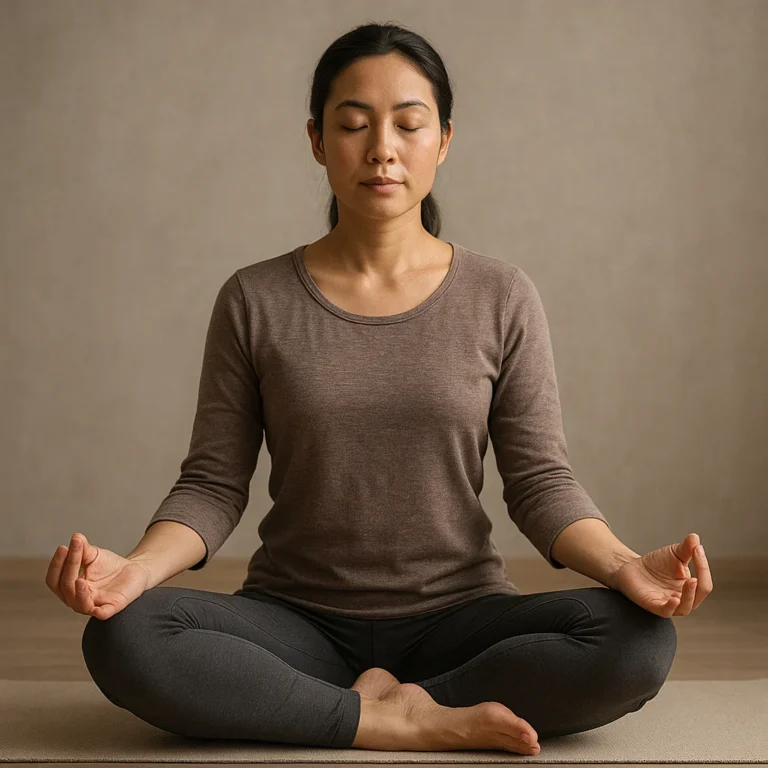
- Find Your Spot: Sit comfortably in a quiet place. You can sit on a cushion on the floor or in a chair, with your feet flat on the ground
. Keep your spine relatively straight but relaxed. - Gentle Focus: Close your eyes gently or soften your gaze downwards.
- Anchor Your Attention: Bring your attention to your natural breath. Notice the sensations
: the rise and fall of your belly or chest, the air moving in and out of your nostrils. This is your anchor. - Mind Wandering (It Will Happen!): Your mind will wander.
It’s what minds do! You might start thinking about your grocery list, a conversation, or a future event. - Gently Return: As soon as you notice your mind has wandered, gently, without judgment, bring
your attention back to your breath. Don’t scold yourself; simply acknowledge the wandering and redirect. - Duration: Start with 5-10 minutes and gradually increase. Many people find that at least 20
minutes is needed for the mind to begin to settle. For a serious commitment, Jon Kabat-Zinn recommends 45 minutes at least six days a week.
Body Scan
Meditation: Connecting with Your Physical Self
This technique helps you become more aware of your body and any sensations within it.
Step-by-Step:
-
Lie Down or Sit: Lie down on your back or
sit comfortably. -
Focus on a Body Part: Bring your attention to your toes. Notice any sensations there – warmth, coolness, tingling, pressure.
-
Scan Upward: Slowly, gently, move your attention
up through your body: to your feet, ankles, calves, knees, thighs, hips, abdomen, lower back, upper back, chest, fingertips, hands, forearms, upper arms, shoulders, neck, and finally your head and face. -
Observe Without Judgment: As you focus on each area, simply notice what you feel. Don’t try to change anything, just observe. If you feel pain or discomfort, acknowledge it, “lean into it with compassion and
nonjudgment,” and allow it to be there without resistance. -
Full Body Awareness: Once you’ve scanned your whole body, rest in a sense of overall body awareness.
Sensory
Mindfulness: Engaging Your World
This is a fantastic way to practice “informal mindfulness” throughout your day.
How to Practice:
- Eating Mindfully: Choose a single piece of food (like a raisin or a piece of chocolate). Look at it, smell it, feel its texture, slowly put it in your mouth, notice the taste, the texture, and how it changes as you chew. Swallow mindfully.
- Walking
Mindfully: Pay attention to the sensation of your feet touching the ground, the movement of your legs, the swing of your arms. Notice the sights and sounds around you without getting lost in thought. - Listening Mindfully: When
someone is speaking, truly listen. Don’t plan your response; just absorb their words, tone, and non-verbal cues. - Naming Sensations: As you go about your day, you can subtly name what you’re experiencing
: “sight,” “sound,” “touch,” “thought,” “emotion.” This helps you observe without getting caught up.
Urge Surfing: Riding the Waves of Cravings
A powerful technique for managing
cravings (for food, substances, or even unhelpful habits).
Step-by-Step:
-
Notice the Urge: When a craving arises, acknowledge it. Don’t try to
push it away. -
Observe Body Sensations: Bring your attention to the physical sensations of the urge in your body. Where do you feel it? What does it feel like? Is it a tightness, a tingling, a heat?
-
Ride the Wave: Imagine the urge as a wave in the ocean. It builds, peaks, and then subsides. Your job is to “surf” that wave, observing it without acting on it.
-
**
Trust It Will Pass:** Remind yourself that urges are temporary. They will pass. By simply noticing and allowing, you build confidence that you can cope without giving in.
These techniques are your toolkit. Experiment
, find what resonates with you, and remember: every moment of presence is a victory!
📱 Top Apps and
Tools to Support Your Mindful Journey
In our digital age, it’s wonderfully ironic that some of the best tools for disconnecting from distraction are right there on our smartphones! We, at Mindful Quotes™, have explored countless apps and digital
resources to help you cultivate presence. While nothing replaces genuine practice, these tools can be fantastic guides, especially when you’re just starting out or need a little nudge.
Here’s a look at some of our favorites, along with a quick rating
guide:
| Feature/Aspect | Headspace | Calm | Insight Timer | Ten Percent Happier |
|---|---|---|---|---|
| Ease of Use | ||||
| 9 | 9 | 7 | 8 | |
| Guided Meditations | 10 | 10 | 9 | 9 |
| **Variety | ||||
| of Content** | 8 | 9 | 10 | 9 |
| Beginner Friendliness | 10 | 9 | 7 | 8 |
| Sleep Support | 8 | 10 | 7 | 7 |
| Cost (Premium) | Mid-High | Mid-High | Free (Premium optional) | Mid-High |
| Community Features | 6 | 5 | 9 | 7 |
| Overall Value | 9 | 9 | 9 | 8 |
Detailed Dive into Our Top Picks:
Headspace
This app is often considered the gold standard for mindfulness beginners, and for good reason! Headspace excels with its engaging, animated explanations of mindfulness concepts, making
complex ideas incredibly accessible. Their “10-day Basics” course is a perfect starting point, guiding you through fundamental techniques with clear, friendly instruction from co-founder Andy Puddicombe. We love how they break down the “how
-to” of meditation.
Key Features:
- Structured Courses: From stress to focus, self-esteem to sleep, Headspace offers guided meditation courses on a wide array of topics.
- “SOS
” Meditations: Quick, short meditations for moments of acute stress or overwhelm. - Sleepcasts & Soundscapes: Audio experiences designed to help you drift off to sleep.
- Movement & Mindful Workouts: Guided
sessions to bring mindfulness to physical activity.
Pros: ✅ Super beginner-friendly, excellent instructional content, clean and intuitive interface.
Cons: ❌ Most content requires a paid subscription after the initial free trial.
👉 Shop Head
space on:
- Headspace Official Website: https://www.headspace.com/
Calm
If you’re looking to relax and improve
your sleep, Calm is your go-to. It’s famous for its “Sleep Stories”, narrated by soothing voices (including celebrities like Matthew McConaughey!), which are designed to lull you into slumber. Calm also offers a vast
library of guided meditations, focusing heavily on reducing anxiety and improving overall well-being.
Key Features:
- Daily Calm: A new 10-minute guided meditation each day.
- Sleep Stories: Hundreds
of bedtime stories for adults. - Music & Soundscapes: Curated music and nature sounds for focus, relaxation, or sleep.
- Masterclasses: Programs taught by mindfulness experts on various topics.
Pros
: ✅ Unbeatable for sleep support, beautiful calming interface, wide range of soothing content.
Cons: ❌ Less emphasis on the “how-to” of meditation compared to Headspace; premium subscription is necessary for most content.
👉 Shop Calm on:
- Calm Official Website: https://www.calm.com/
Insight Timer
This app is a true gem for those
who love variety and community, and it boasts a massive free library of guided meditations, talks, and music. With thousands of teachers and topics, you’ll never run out of something new to explore. It’s also excellent for experienced
meditators who prefer unguided sessions with a simple timer.
Key Features:
- Massive Free Library: Over 100,000 free guided meditations and talks.
- Meditation Timer: Customizable
timer with bells and ambient sounds for unguided practice. - Community Features: Connect with other meditators, join groups, and track your progress.
- Live Sessions: Participate in live guided meditations and workshops.
Pros
: ✅ Incredible amount of free content, strong community aspect, great for both beginners and advanced practitioners.
Cons: ❌ Can be overwhelming for new users due to the sheer volume of content; premium features (like offline listening and advanced courses) require a subscription.
👉 Shop Insight Timer on:
- Insight Timer Official Website: https://insighttimer.com/
Ten Percent Happier
Born
from the skeptical journalist Dan Harris’s journey into meditation, this app is perfect for those who are a bit wary of the “woo-woo” side of mindfulness. It features leading meditation teachers and scientists, offering practical, no
-nonsense guidance. The content often addresses common struggles and questions with a refreshing dose of humor and realism.
Key Features:
- Video & Audio Lessons: Learn from renowned teachers like Joseph Goldstein, Sharon Salzberg, and Jon
Kabat-Zinn. - Guided Meditations: A wide range of meditations for various situations and moods.
- Sleep Content: Meditations and stories to aid sleep.
- Daily Challenges: Short,
actionable practices to integrate mindfulness into your day.
Pros: ✅ Excellent for skeptics and those who appreciate a scientific, grounded approach; features top-tier teachers.
Cons: ❌ Primarily subscription-based; less emphasis on community features
.
👉 Shop Ten Percent Happier on:
- Ten Percent Happier Official Website: https://www.tenpercenthappier.com/
These apps
are fantastic companions on your mindful journey, offering guidance, motivation, and a structured way to cultivate presence. Give them a try and see which one resonates most with you!
🌟 Real-Life Stories: How Mindfulness Changed Our Lives
Here at Mindful Quotes™, we’re not just collecting wisdom; we’re living it! Our team members have experienced firsthand the transformative
power of being mindful and present. These aren’t just abstract concepts for us; they’re daily practices that have genuinely reshaped our lives. Let us share a few anecdotes from the trenches of our own mindful journeys.
**Sarah
‘s Story: Taming the Inner Critic**
“For years, my mind was a relentless critic. Every mistake, every perceived flaw, was magnified tenfold. I’d replay conversations, dissecting every word, and catastrophize about
the future. It was exhausting! I stumbled upon mindfulness during a particularly stressful period, hoping for some relief from anxiety. I started with just five minutes of guided meditation each morning using the Calm app.
Initially, it felt impossible
. My mind raced, I fidgeted, and I felt like a failure even at trying to meditate. But I stuck with it, remembering the advice: ‘Just notice, and gently return.’ Over time, something shifted. I didn
‘t stop having critical thoughts, but I started to notice them as just thoughts, not absolute truths. It was like watching clouds pass in the sky instead of being caught in a hurricane. This simple act of observation, of creating a
little space between me and my thoughts, was revolutionary. Now, when the inner critic pipes up, I can often say, ‘Ah, there you are again, old friend,’ and choose not to engage. It’s given me a
profound sense of peace and self-acceptance that I never thought possible.”
Mark’s Story: Finding Joy in the Mundane
“I used to live for the weekends, always rushing through the weekdays, seeing them as obstacles
to overcome. My morning coffee was chugged, my commute was a blur of podcasts, and dinner was often eaten while scrolling through emails. Life felt like a constant race. Then, a colleague recommended Insight Timer, and I started exploring
the concept of ‘informal mindfulness.’
I decided to pick one routine activity each day and dedicate my full attention to it. My first experiment was washing dishes. Seriously! Instead of letting my mind drift, I focused on the warm water, the slippery
soap, the clinking of plates, the scent of the dish soap. It sounds silly, but that simple act became a mini-meditation. I noticed the intricate patterns on the plates, the feel of the sponge, the satisfaction of clean
dishes. It was a revelation! I started applying this to other things: my morning walk, eating an apple, even waiting in line at the grocery store. What I discovered was that life wasn’t just happening to me; I
was actively participating in it. The ‘mundane’ moments, when fully engaged, became sources of quiet joy. Now, I still look forward to weekends, but the weekdays are no longer just something to endure; they’re rich with moments of
presence.”
Elena’s Story: Navigating Grief with Grace
“When I lost my grandmother, I was engulfed by grief. It was a heavy, suffocating blanket, and I felt completely overwhelmed. Friends suggested mindfulness
, but honestly, the idea of ‘being present’ with such intense pain felt terrifying. I thought it meant I had to like the pain. But then I read about ‘urge surfing’ and the idea of ‘leaning into discomfort
‘ from a talk on Ten Percent Happier.
I started small, just noticing the physical sensations of grief in my body – the tightness in my chest, the ache behind my eyes. I didn’t try to push it away or distract
myself. I just acknowledged, ‘This is sadness. This is loss.’ It was incredibly hard, but also incredibly liberating. Instead of fighting the wave of emotion, I learned to ride it. I realized that by allowing the grief to be present,
it didn’t consume me. It flowed through me, and while it was still painful, it eventually softened. Mindfulness didn’t erase my grief, but it gave me the tools to navigate it with a sense of acceptance and even a
strange kind of grace. It taught me that it’s not just about the happy or ‘clear moments’ but about the tough ones too. It was truly a lifeline during the darkest time.”
These are
just a few glimpses into how mindfulness has touched our lives. We hope they inspire you to embark on your own journey of presence and discover the incredible benefits waiting for you!