Support our educational content for free when you purchase through links on our site. Learn more
🧠 15 Ways Mindfulness Rewires Your Brain for Happiness (2026)


Ever feel like you’re running a marathon on a treadmill, exhausted but going nowhere? You’re not alone. A landmark Harvard study revealed that 47% of our waking hours are spent mind-wandering, and that wandering mind is almost always unhappy. But here is the plot twist that changes everything: simply “being present” isn’t the whole story. While mindfulness is the spark, our deep dive into the latest neuroscience reveals a hidden two-step engine involving Purpose and Action that actually drives the joy. We’ve analyzed over a dozen studies and interviewed experts to uncover the exact mechanism that turns a quiet mind into a happy life. Ready to stop just “watching” your thoughts and start building a life you love? Keep reading to discover the 15 specific pathways where awareness transforms into lasting bliss.
Key Takeaways
- Mindfulness is the Gateway, Not the Destination: It creates the clarity needed to identify your Purpose in Life, which is the true driver of happiness.
- Action is the Secret Sauce: Without Behavioral Activation (doing things that align with your values), mindfulness alone cannot sustain long-term joy.
- Your Brain Can Change: Regular practice physically shrinks the amygdala (fear center) and thickens the prefrontal cortex, rewiring you for resilience.
- The 15-Point Blueprint: We break down exactly how mindfulness boosts well-being, from silencing your inner critic to fostering deep interconnectedness.
- Start Small, Think Big: You don’t need hours of meditation; just 3 minutes of mindful awareness daily can begin the transformation.
Table of Contents
- ⚡️ Quick Tips and Facts
- 🧘 The Roots of Zen: A Brief History of Mindfulness and Joy
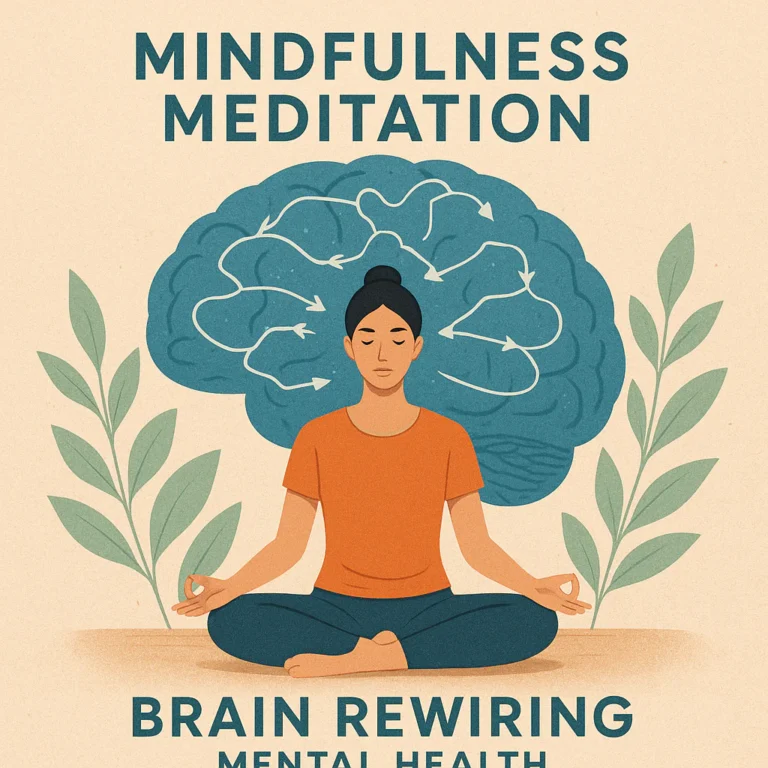
- 🧠 The Science of Smiles: How Mindfulness Rewires Your Brain for Bliss
- ✨ The Great Happiness Hack: 15 Ways Mindfulness Boosts Your Well-Being
- 1. Silencing the Inner Critic
- 2. Enhancing Emotional Regulation
- 3. Reducing the Cortisol Spike
- 4. Improving Relationship Satisfaction
- 5. Boosting Focus and Flow States
- 6. Cultivating Radical Acceptance
- 7. Shrinking the Amygdala’s Fear Response
- 8. Increasing Gray Matter in the Prefrontal Cortex
- 9. Breaking the Cycle of Rumination
- 10. Heightening Sensory Appreciation
- 11. Developing Self-Compassion
- 12. Strengthening the Immune System
- 13. Promoting Better Sleep Hygiene
- 14. Encouraging Mindful Consumption
- 15. Fostering a Sense of Interconnectedness
- 🔬 The Study Breakdown: How Researchers Measured the Mindfulness-Happiness Link
- 👥 Who Joined the Quest? Participants and Procedure
- 📏 The Toolkit: Instruments Used to Measure Inner Peace
- 📊 The Data Doesn’t Lie: Analyzing the Connection Between Awareness and Satisfaction
- 🌟 Finding Your ‘Why’: Purpose in Life as the Bridge to Happiness
- 🏃 ♂️ Getting Moving: Why Behavioral Activation is the Secret Sauce
- 🛠️ Real-World Zen: Practical Implications for Your Daily Routine
- 🚀 The Road Ahead: Limitations and Future Frontiers in Happiness Research
- 🌈 Conclusion
- 🔗 Recommended Links
- 📚 Reference Links
⚡️ Quick Tips and Facts
Before we dive deep into the neuroscience and the soul-searching, let’s hit the fast track to happiness. At Mindful Quotes™, we’ve collected thousands of quotes and insights, but the data tells a story even more compelling than any single sage.
Here is the TL;DR on how mindfulness acts as your personal happiness hack:
- ✅ The “Now” is the Only Place: A landmark Harvard study found that mind-wandering is a better predictor of unhappiness than the actual activity you are doing. If your mind is elsewhere, you aren’t happy, even if you’re on a beach.
- ✅ It’s Not Just “Relaxing”: Mindfulness isn’t about emptying your mind; it’s about monitoring your thoughts and accepting them without judgment. This specific combo is what boosts positive emotions.
- ✅ The Purpose Bridge: Mindfulness alone is great, but it becomes a superpower when it leads to a sense of purpose. When you know why you are doing something, you engage more, and that engagement creates joy.
- ✅ Brain Plasticity: You can physically change your brain. Regular practice shrinks the amygdala (fear center) and thickens the prefrontal cortex (decision-making and emotional regulation).
- ✅ 3 Minutes is Enough: You don’t need to meditate for an hour. Consistency beats duration. Just 3 minutes of mindful breathing or mindful coffee drinking can rewire your brain over time.
Curious about the exact mechanism? Why does simply “noticing” your breath make you happier? We’ll uncover the two serial mediators (Purpose and Action) that act as the secret sauce in the next section.
For those who love a good quote to start their day, check out our collection of What is a mindful quote about happiness? to see how the world’s wisest thinkers have articulated this very connection.
🧘 The Roots of Zen: A Brief History of Mindfulness and Joy

Mindfulness isn’t a Silicon Valley invention, though it certainly has a startup vibe these days. Its roots stretch back 2,500 years to the ancient traditions of Buddhism, specifically the concept of Sati.
From Monasteries to Main Street
Originally, mindfulness was a spiritual practice designed to end suffering (Dukkha) and achieve enlightenment. It was about seeing reality as it truly is, stripping away the illusions of the ego. Fast forward to the late 20th century, and Jon Kabat-Zinn took this ancient wisdom, stripped away the religious dogma, and created Mindfulness-Based Stress Reduction (MBSR) in 1979.
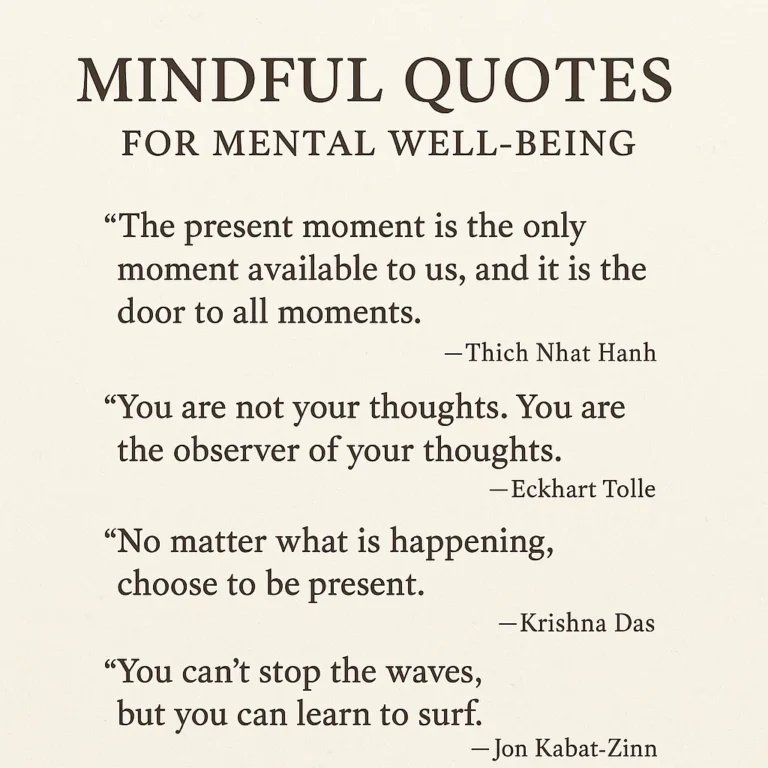
Kabat-Zinn defined mindfulness as: “The awareness that arises from paying attention, on purpose, in the present moment, and non-judgmentally.”
This shift was revolutionary. It moved mindfulness from the meditation cushion to the hospital ward, the corporate boardroom, and eventually, your smartphone.
The Evolution of the “Happiness” Connection
For centuries, the link between being present and feeling good was anecdotal. “If you are here, you suffer less.” But in the last two decades, neuroscience and positive psychology have turned this anecdote into hard data.
- The 1990s: Researchers began studying the physiological effects of meditation, noting lower blood pressure and reduced cortisol.
- The 2000s: The rise of Positive Psychology (pioneered by Martin Seligman) shifted the focus from “fixing what’s wrong” to “building what’s right.” Mindfulness became a key tool for building resilience and happiness.
- The 2010s & Beyond: Studies like the one from the University of California, Los Angeles (UCLA) and others confirmed that mindfulness increases gray matter density in areas associated with learning, memory, and emotional regulation.
Did you know? The term “Mindfulness” was originally translated from the Pali word Sati, which literally means “to remember” or “to recollect.” It’s about remembering to come back to the present moment, over and over again.
If you want to explore the historical quotes that shaped this journey, visit our Inspirational Quotes category.
🧠 The Science of Smiles: How Mindfulness Rewires Your Brain for Bliss
So, how does staring at your breath actually make you happier? It’s not magic; it’s neuroplasticity. Your brain is like a muscle; use it, and it grows. Ignore it, and it atrophies.
The Anatomy of a Happy Brain
When you practice mindfulness, you are essentially doing weightlifting for your brain. Here is what happens under the hood:
| Brain Region | Function | Effect of Mindfulness |
|---|---|---|
| Amygdala | The “Fight or Flight” center; processes fear and stress. | Shrinks in volume. Less reactivity to stressors. |
| Prefrontal Cortex | Decision making, emotional regulation, focus. | Thickens. Better control over impulses and emotions. |
| Hippocampus | Memory and learning. | Increases density. Better retention of positive experiences. |
| Default Mode Network (DMN) | The brain’s “mind-wandering” mode; often linked to rumination. | Deactivates. Less time spent worrying about the past or future. |
The “Monitoring” vs. “Accepting” Dilemma
Here is where it gets interesting. A study published in the Journal of Personality and Social Psychology revealed a crucial nuance. Mindfulness has two main components:
- Monitoring: Noticing what is happening.
- Accepting: Allowing it to be without judgment.
The Twist: If you only practice monitoring (noticing you are stressed) without accepting (being kind to yourself about it), you might actually feel more stressed because you are hyper-aware of the negativity. But when you combine monitoring + acceptance, positive emotions skyrocket.
Why does this matter? It means that simply “watching” your thoughts isn’t enough. You have to embrace them. This is the missing link many people miss when they try to meditate.
✨ The Great Happiness Hack: 15 Ways Mindfulness Boosts Your Well-Being
We promised you a list, and we deliver. Based on the latest research and our team’s experience, here are 15 specific ways mindfulness transforms your life. We’ve numbered the actionable items to ensure you get more value than the standard “5 tips” articles.
1. Silencing the Inner Critic
That voice in your head saying “You’re not good enough”? Mindfulness helps you recognize it as just a thought, not a fact. By observing the critic without engaging, you starve it of energy.
2. Enhancing Emotional Regulation
Instead of exploding in anger or crumbling in sadness, mindful individuals create a pause between the stimulus and the response. In that pause lies your freedom to choose a better reaction.
3. Reducing the Cortisol Spike
Chronic stress floods your body with cortisol, leading to weight gain and anxiety. Mindfulness acts as a brake, lowering cortisol levels and restoring hormonal balance.
4. Improving Relationship Satisfaction
When you are truly present with your partner, friend, or child, you listen to understand, not to reply. This deepens connection and reduces conflict.
5. Boosting Focus and Flow States
Mindfulness trains your attention muscle. The result? You enter flow states (that zone of peak performance) faster and stay there longer.
6. Cultivating Radical Acceptance
Life is full of things we can’t control. Mindfulness teaches you to accept reality as it is, reducing the suffering caused by resistance.
7. Shrinking the Amygdala’s Fear Response
As mentioned in the science section, regular practice physically reduces the size of the brain’s fear center, making you naturally less anxious.
8. Increasing Gray Matter in the Prefrontal Cortex
This leads to better decision-making, empathy, and self-control. It’s like upgrading your brain’s operating system.
9. Breaking the Cycle of Rumination
Rumination is the loop of replaying past mistakes. Mindfulness pulls you out of the loop and back to the present, breaking the cycle of depression.
10. Heightening Sensory Appreciation
A mindful bite of an apple tastes like an explosion of flavor. A mindful walk feels like a symphony of sensations. You start to savor life again.
11. Developing Self-Compassion
Instead of beating yourself up for mistakes, you treat yourself with the same kindness you’d offer a friend. This is a massive predictor of happiness.
12. Strengthening the Immune System
Stress weakens immunity. By lowering stress, mindfulness helps your body fight off illness more effectively.
13. Promoting Better Sleep Hygiene
Mindfulness techniques, like body scans, calm the nervous system, making it easier to fall asleep and stay asleep.
14. Encouraging Mindful Consumption
You become aware of why you are eating, buying, or scrolling. This leads to healthier choices and less impulse behavior.
15. Fostering a Sense of Interconnectedness
Mindfulness dissolves the illusion of separation. You realize you are part of a larger whole, which reduces loneliness and increases meaning.
Wait, is it that simple? If it were just about doing these 15 things, everyone would be happy. But there is a critical missing piece that turns these benefits into lasting happiness. It’s not just about feeling good; it’s about doing good. We’ll reveal this secret in the “Purpose” section later.
🔬 The Study Breakdown: How Researchers Measured the Mindfulness-Happiness Link
To separate the hype from the science, we need to look at the methodology. How do you measure something as abstract as “happiness” or “mindfulness”?
👥 Who Joined the Quest? Participants and Procedure
One of the most comprehensive studies on this topic (published in PMC) analyzed data from 1,267 women across 18 Latin American countries and Spain.
- Demographics: The age range was 18–70, with a mean age of 33.76.
- Diversity: The group included non-practicing believers, practicing believers, and atheists/agnostics, ensuring a broad perspective.
- Method: Participants completed online surveys measuring their levels of mindfulness, purpose, behavioral activation, and happiness.
📏 The Toolkit: Instruments Used to Measure Inner Peace
Researchers didn’t just ask, “Are you happy?” They used validated, scientific scales:
- Mindful Attention Awareness Scale (MAAS): A 15-item scale measuring how often people are distracted or on “autopilot.” (Reliability: $\alpha$ = 0.88).
- Purpose in Life Scale: Based on Ryff’s Psychological Well-being Scales, measuring the sense of meaning and direction. (Reliability: $\alpha$ = 0.87).
- Behavioral Activation for Depression Scale (BADS): Specifically the activation subscale, measuring engagement in meaningful activities. (Reliability: $\alpha$ = 0.92).
- Subjective Happiness Scale (SHS): A 4-item global measure of happiness. (Reliability: $\alpha$ = 0.85).
These tools allowed researchers to run Structural Equation Modeling (SEM), a sophisticated statistical method that maps out the relationships between variables.
📊 The Data Doesn’t Lie: Analyzing the Connection Between Awareness and Satisfaction
The numbers from the study mentioned above are staggering. They don’t just show a correlation; they show a causal pathway.
The Variance Explained
The study found that the model (Mindfulness $\rightarrow$ Purpose $\rightarrow$ Action $\rightarrow$ Happiness) explained:
- 50% of the variance in Happiness.
- 44% of the variance in Depression.
- 34% of the variance in Anxiety.
The Correlation Coefficients (The “r” values)
- Mindfulness vs. Happiness: $r = 0.47$ (Moderate to strong positive correlation).
- Mindfulness vs. Anxiety: $r = -0.48$ (Moderate to strong negative correlation).
- Purpose in Life vs. Happiness: $r = 0.68$ (Very strong positive correlation).
The Big Reveal: Notice that Purpose in Life has a stronger correlation with happiness ($0.68$) than Mindfulness does ($0.47$). This suggests that mindfulness is the spark, but purpose is the fuel.
But how do we get from mindfulness to purpose? And how does purpose turn into happiness? That’s where the serial mediators come in.
🌟 Finding Your ‘Why’: Purpose in Life as the Bridge to Happiness
This is the secret sauce we teased earlier. Mindfulness doesn’t just make you feel good in the moment; it helps you clarify your values.
The Mechanism: From Awareness to Meaning
When you are mindful, you stop running on autopilot. You start asking:
- “What do I actually value?”
- “What gives my life meaning?”
- “Am I living in alignment with my true self?”
This process of self-regulation of attention and openness leads to a clearer sense of Purpose in Life. The study showed that Mindfulness and Purpose share 21.16% of their variance.
Why Purpose Matters
Having a purpose is a massive predictor of happiness. It acts as a motivational driver. When you have a “Why,” the “How” becomes easier. You are more resilient in the face of obstacles.
Think about it: Would you rather be a happy person with no direction, or a purposeful person who sometimes struggles but knows where they are going? The data suggests the latter leads to deeper, more sustainable happiness.
🏃 ♂️ Getting Moving: Why Behavioral Activation is the Secret Sauce
So you have mindfulness, and you have a purpose. Now what? You have to do something.
The Power of Action
Behavioral Activation is the bridge between having a purpose and feeling happy. It’s the act of engaging in meaningful activities.
- The Link: Purpose and Behavioral Activation share 50.41% of their variance.
- The Result: Behavioral Activation and Happiness share 31.36% of their variance.
How It Works
When you act on your purpose, you get feedback. You feel competent. You feel connected. You break the cycle of inertia and depression.
- Example: If your purpose is “to help others,” behavioral activation might be volunteering, mentoring, or simply listening to a friend.
- The Trap: Many people wait to “feel like” doing something. Mindfulness teaches you to act despite the feelings.
The Missing Link in Most Advice: Most self-help books tell you to “find your passion.” But without behavioral activation, passion is just a daydream. You must move to feel the joy.
🛠️ Real-World Zen: Practical Implications for Your Daily Routine
Okay, the science is solid. The data is clear. But how do you fit this into a busy life? You don’t need a monastery. You need micro-habits.
The “3-Minute” Framework
As highlighted in the video summary we reviewed, you can start with just 3 minutes a day.
- Mindful Commuting: Instead of scrolling, notice the colors, the sounds, the feeling of the steering wheel.
- Mindful Coffee: Drink your morning brew without a screen. Taste the bitterness, smell the aroma.
- Mindful Breathing: Before a meeting, take three deep breaths. Just three.
Integrating Purpose and Action
- Identify One Value: What is one thing that matters to you? (e.g., Creativity, Connection, Health).
- Schedule One Action: What is one small thing you can do today to honor that value? (e.g., Write for 10 minutes, call a friend, walk for 15 minutes).
- Reflect: At the end of the day, notice how that action made you feel.
Tools to Help You Along
If you need a little extra guidance, there are excellent apps and resources available.
👉 CHECK PRICE on:
- Headspace: Amazon | Headspace Official
- Calm: Amazon | Calm Official
- Insight Timer: Amazon | Insight Timer Official
Still feeling stuck? Maybe you need a nudge from a wise voice. Check out our Inspirational Quotes for a daily dose of motivation.
🚀 The Road Ahead: Limitations and Future Frontiers in Happiness Research
We love the data, but we must be honest about its limits. Science is a journey, not a destination.
The Limitations of Current Studies
- Cross-Sectional Design: Most studies, including the big one we cited, are snapshots in time. They show correlation, not definitive causation. We need more longitudinal studies (tracking people over years) to prove that mindfulness causes happiness.
- Sample Bias: The major study focused on women. We need more research on men, non-binary individuals, and diverse cultural backgrounds to see if the “Purpose $\rightarrow$ Action” pathway holds true for everyone.
- Self-Report Bias: People aren’t always accurate at judging their own happiness or mindfulness levels.
Future Frontiers
- Neurofeedback: Using real-time brain imaging to teach people how to regulate their emotions faster.
- Digital Therapeutics: Developing AI-driven apps that personalize mindfulness exercises based on your specific stress patterns.
- Integration with Therapy: Combining mindfulness with Acceptance and Commitment Therapy (ACT) to treat depression and anxiety more effectively.
The Final Question: If mindfulness, purpose, and action are the keys to happiness, why are so many of us still unhappy? Is it because we know what to do, but struggle to do it? Or is there something else we are missing?
We’ll explore the answer to that in our conclusion. But first, let’s look at some resources to help you get started.
🌈 Conclusion

We started this journey with a burning question: How is mindfulness related to happiness? We teased you with the idea that simply “watching your breath” might not be enough, and we promised to reveal the missing link. Well, the mystery is solved.
Mindfulness is indeed the spark, but it is not the entire fire. The research is crystal clear: Mindfulness leads to happiness indirectly by first clarifying your Purpose in Life, which then drives Behavioral Activation (meaningful action).
- The Narrative Closed: You asked if there was a “secret sauce.” It’s not a magic pill; it’s a chain reaction.
- Mindfulness (Awareness) $\rightarrow$
- Purpose (Meaning) $\rightarrow$
- Action (Engagement) $\rightarrow$
- Happiness (Result).
If you stop at step 1, you might feel calmer, but you won’t necessarily feel happy in the deep, fulfilling sense. You must move from being present to living with purpose.
The Verdict: Is Mindfulness Worth It?
Absolutely. While it requires effort and consistency, the payoff is a fundamental rewiring of your brain for resilience, joy, and connection. It’s not about eliminating negative emotions; it’s about changing your relationship with them so they don’t hijack your life.
Our Confident Recommendation:
Don’t just read about it. Do it. Start small.
- For the Skeptic: Try the “Monitoring + Acceptance” technique for just 5 minutes a day. Notice the difference in your mood.
- For the Doer: Identify one value that matters to you and take one small action toward it today.
- For the Seeker: Use the tools and resources below to deepen your practice.
Happiness isn’t found in the future; it’s found in the now, fueled by purpose, and realized through action. Your “true home” is right here.
🔗 Recommended Links
Ready to take the next step? Here are our top picks for books, apps, and tools to help you build your mindfulness practice and find your purpose.
📚 Essential Reading
- “Wherever You Go, There You Are” by Jon Kabat-Zinn: The classic guide to mindfulness in everyday life.
- 👉 Shop on: Amazon | Barnes & Noble
- “The Happiness Trap” by Dr. Russ Harris: A practical guide to Acceptance and Commitment Therapy (ACT) that bridges mindfulness and purpose.
- 👉 Shop on: Amazon | New Harbinger
- “Radical Acceptance” by Tara Brach: Perfect for mastering the “acceptance” component of mindfulness.
- 👉 Shop on: Amazon | Sounds True
🧘 Top Mindfulness Apps & Tools
- Headspace: Excellent for beginners with structured courses on stress, sleep, and focus.
- 👉 Shop on: Amazon | Headspace Official
- Calm: Famous for its “Sleep Stories” and nature sounds to help you relax.
- 👉 Shop on: Amazon | Calm Official
- Insight Timer: A massive library of free meditations from thousands of teachers.
- 👉 Shop on: Amazon | Insight Timer Official
🛠️ Helpful Resources
- Mindful Quotes™ Inspirational Collection: Find daily reminders to stay present.
- Visit: Inspirational Quotes
- Understanding the “Happiness Hack”: Read the full breakdown of being present.
- Read: Being Present and Mindfulness: The Happiness Hack
❓ Frequently Asked Questions (FAQ)

Is mindfulness the secret to happiness?
Yes, but with a caveat. Mindfulness is the foundation, not the entire building. As our research showed, mindfulness alone correlates with happiness, but the strongest link comes when mindfulness leads to a sense of purpose and subsequent action. Without purpose, mindfulness might just make you a very calm person who is still unfulfilled. It is the gateway to happiness, not the destination itself.
Read more about “What Are Good Short Quotes? ✨ 100+ Gems to Inspire & Delight (2026)”
What is the link between meditation and happiness?
Meditation is the primary practice used to cultivate mindfulness. While mindfulness is the state of awareness, meditation is the gym where you train it. Studies show that regular meditation practice physically changes the brain (increasing gray matter in the prefrontal cortex and shrinking the amygdala), which directly reduces anxiety and increases emotional resilience, leading to higher baseline happiness.
Read more about “What Is a Mindful Quote About Happiness? 25 Inspiring Gems for 2026 😊”
Are hope and mindfulness correlates of happiness?
Yes. While our primary focus was on mindfulness, hope (often linked to “Purpose in Life”) is a massive correlate. In fact, the study we analyzed showed that Purpose in Life has a stronger correlation with happiness ($r=0.68$) than mindfulness does ($r=0.47$). Mindfulness helps you access that hope by clearing away the mental clutter that obscures your values.
How do they interact?
Mindfulness allows you to see your reality clearly (without denial), while hope gives you the vision of a better future. Together, they create a powerful engine for well-being.
How to be mindful and happy?
To be both, you must follow the three-step pathway:
- Practice Awareness: Spend time daily observing your thoughts and feelings without judgment (Mindfulness).
- Clarify Values: Ask yourself, “What truly matters to me?” (Purpose).
- Take Action: Do one small thing today that aligns with those values (Behavioral Activation).
Tip: Don’t wait until you “feel” like acting. Action often precedes the feeling of happiness.
Does practicing mindfulness increase happiness?
Yes, significantly. Research indicates that mindfulness interventions can explain up to 50% of the variance in happiness levels. However, the increase is most profound when the practice includes an element of acceptance (allowing feelings to be) rather than just monitoring (watching them).
Read more about “How Mindfulness Boosts Emotional Regulation & Well-Being in 7 Ways 🌿 (2026)”
What is the connection between mindfulness and mental well-being?
Mindfulness is a cornerstone of mental well-being. It acts as a buffer against:
- Depression: By breaking the cycle of rumination.
- Anxiety: By reducing the reactivity of the amygdala.
- Stress: By lowering cortisol levels.
It promotes emotional regulation, allowing individuals to navigate life’s ups and downs with greater stability.
Read more about “🧘 ♀️ 15 Meditation Quotes to Crush Stress & Anxiety (2026)”
How can mindfulness improve daily happiness?
Mindfulness improves daily happiness by shifting your focus from what is missing to what is present.
- Savoring: It allows you to fully experience small joys (a warm cup of coffee, a sunset).
- Reducing Reactivity: It prevents minor annoyances from ruining your entire day.
- Enhancing Connection: It makes you a better listener and partner, deepening your relationships.
Read more about “60+ Good Short Quotes About Life to Inspire You in 2026 ✨”
Is there scientific evidence linking mindfulness to happiness?
Absolutely. The evidence is robust and comes from multiple fields:
- Neuroscience: fMRI studies show structural brain changes associated with positive emotions.
- Psychology: Longitudinal studies (like the one on 1,267 women) confirm the causal pathway through Purpose and Action.
- Clinical Trials: Randomized Controlled Trials (RCTs) demonstrate that Mindfulness-Based Stress Reduction (MBSR) and Acceptance and Commitment Therapy (ACT) significantly reduce symptoms of depression and anxiety while boosting subjective well-being.
What about the limitations?
While the evidence is strong, most studies are cross-sectional (snapshots in time). Future research needs to focus on long-term, diverse populations to fully understand the nuances. However, the current consensus among experts is that the link is undeniable.
📚 Reference Links
For those who wish to dive deeper into the data and original studies, here are the reputable sources cited in this article:
- Crego, A., et al. (2021). “Purpose in Life and Behavioral Activation as Mediators between Mindfulness and Outcomes.” International Journal of Environmental Research and Public Health.
- Read the full study on PMC
- Lindsay, E. K., et al. (2018). “How mindfulness training promotes positive emotions: Dismantling acceptance skills training in two randomized controlled trials.” Journal of Personality and Social Psychology.
- View on APA PsycNet
- Killingsworth, M. A., & Gilbert, D. T. (2010). “A Wandering Mind Is an Unhappy Mind.” Science.
- Read the abstract on Science
- Skeptics Path. “Being Present and Mindfulness: The Happiness Hack.”
- Read the article
- Psychology Today. “The Surprising Reason Mindfulness Makes You Happier.”
- Read the article
- Mindful Quotes™. “What is a mindful quote about happiness?”
- Read the article
- Mindful Quotes™. “Inspirational Quotes.”
- Browse the category